
Best ERP Software in
Are you looking for ERP Software for your Business in ? SaaS Adviser brings you the best ERP Software to ease your worries. In order to make your work smooth and swift, SaaS Adviser has compiled a list of the best software available. Compare the Best software features, pricing, free demo, and trial to select the best ERP Software for your organization.
 Researched and Written by Akash Patel
Top 3 Featured Softwares


List of Top ERP Software

Get Free Consultation

What is AFAS Software? AFAS Software is a Netherlands-based ERP (Enterprise Resource Planning) platform that helps organizations manage their essential business operations withi...
View Profile

Bjorn Lunden

Empowering companies to thrive
Björn Lundén is a cloud-based software suite designed for small to medium-sized enterprises (SMEs) and accounting professionals, offering a full range of business management ...
View Profile

Viindoo
Operations to strategic management. Flexible adoption, high security, and scalable with your business growth.
Viindoo is a cloud-based enterprise management platform designed for businesses seeking an all-in-one system spanning accounting, finance, sales, HR, manufacturing, supply-chain, p...
View Profile

Katana Manufacturing's ERP software is designed to manage all aspects of business operations, from sales to production. The software provides users with tools to gain total invento...
View Profile
.jpg "Expand smERP")
Expand smERP
Focused on Managing Core Business Operations
smERP is an advanced ERP software tailored to meet the needs of businesses seeking automation and efficiency in their operations. This cloud-based platform integrates various b...
View Profile
CRM4Realty
Grow your real estate business with #1 CRM
CRM4Realty is a specialized customer relationship management (CRM) software designed specifically for real estate professionals. It serves as a centralized platform that helps ...
View Profile
Odoo is an online software suite that provides users with better management and running of their business, from ERP to CRM or Ecommerce to CMS. All of the Odoo apps are integrated ...
View Profile

Microsoft Dynamics 365 ERP
By Microsoft Dynamics 365 ERP
Microsoft Dynamics 365 ERP is a cloud-based ERP software solution. It offers pricing alternatives that work for businesses of all sizes, based on multiple factors such as the featu...
View Profile

SAP ERP is an enterprise resource planning solution that helps businesses to run their core processes with ease. Organisations can depend on the same to manage various departments ...
View Profile
Infor M3 is a powerful Enterprise Resource Planning (ERP) software that helps manufacturers and distributors manage complex business processes efficiently. The software is equipped...
View Profile
Infor ERP is an enterprise resource planning software that is accurate and allows businesses of all sizes to manage their day-to-day activities seamlessly. The software features ...
View Profile

Sage X3
By Sage
Check How Sage X3 can help to automate Indian Business. SaaSAdviser provide their list of features, pricing, Free demo and Comparison with the best alternative
View Profile
Oracle Fusion Cloud ERP
Oracle | Cloud Applications and Cloud Platform
Oracle Fusion Cloud ERP is a powerful, cloud-based enterprise resource planning software designed for modern businesses seeking efficiency and scalability. It helps organizations a...
View Profile

It also provides intelligent inventory management to streamline and automate warehouse processes.
View Profile

An ERP platform that includes CRM, Multi-Company Accounting, Order and Project Management is a unique solution for growing businesses. It improves your plans and manages production...
View Profile

Dolibarr ERP and CRM is a free and open-source ERP and CRM management software package that is specifically designed to cater to the needs of freelancers, companies, and foundation...
View Profile

WorkPlan
By WorkPlanCheck How WorkPlan can help to automate Indian Business. SaaSAdviser provide their list of features, pricing, Free demo and Comparison with the best alternative
View Profile
metasfresh
By metasCheck How metasfresh can help to automate Indian Business. SaaSAdviser provide their list of features, pricing, Free demo and Comparison with the best alternative
View Profile

ERPNext is a cloud-based ERP software that is open-source and easy to use. It is widely accepted in multiple industries, such as retail, healthcare, schools, and service-based comp...
View Profile
Acumatica is a Cloud Enterprise Resource Planning (ERP) software that helps small and midmarket organisations manage their business processes more efficiently. With its specific in...
View Profile

Table of Content
ERP Software or Enterprise Resource Planning software systems effectively integrate and streamline multiple functions in a business for better control of resources, finances, and other processes. By having workflows automated, reporting done in real-time, and constant data refreshes, the accuracy of decisions regarding finance, inventory, and other aspects is optimized.
With ERP tools businesses can integrate supply chain management, customer relationship management, payroll, and production planning into a single system. Remote access is enabled through the cloud ERP systems alongside modular scaling powered by AI analytics for small and midsize businesses as well as large enterprises.
Selecting which ERP software is the most appropriate is crucial because properly implemented ERP solutions enable a company to reduce operating costs, automate processes that are difficult to manage, and improve overall control of the business performance and growth.
1. How To Choose The Right ERP Software Solutions?
Set Goals And Objectives
Identify business objectives, primary problems, and expectations from ERP implementation. Integrate ERP solutions into the strategic business plans focusing on how the selected system will enhance operational functions, more efficient processes, and specific industry requirements while being scalable for future growth.
Create a List Of Ideal ERP System Functions
Determine the essentials of inventory control, finance, customer relationship management, and general automation tools that have to be integrated into an ERP system. Emphasis on custom feature sets and AI-powered multi-channel insight integration tools for greater efficiency across divisions.
Get Advice From Industry Experts
Engage an ERP consultant to gain insight from other experts on the best practices, risks, and integration hurdles, so that their recommendations help determine feasible approaches and implementation while selecting a suitable operational ERP platform for the business.
Evaluate Your Findings
Use peer comparison of ERP software utilizations to include features, growing with the business, ease of use, and cost. Examine the reputation of vendors along with testimonials to protect them from failure by enhancing the ease of use and sustainability of the ERP.
2. Recent Trends Regarding The USA Market On ERP Platforms
Cloud ERP
In 2024, the U.S. Enterprise Resource Planning (ERP) software market was valued at $12.84 billion. It is predicted that the market will grow from $13.29 billion in 2025 to $6.99 billion by 2032. The value of Cloud ERP is increasing as more businesses adopt it because it is flexible and cost-effective. Firms are migrating from on-premise ERP systems to cloud-based ones that allow for automation and data access from multiple locations. Real-time AI aids in collaboration across various domains.
Two-tier ERP
Large organizations wishing for differentiated yet synergized ERP solutions for the head office and subsidiaries are increasingly adopting two-tier ERP. The system permits firms to operate autonomous ERP implementations at varying levels which enhances customization and speeds up deployment and compliance management.
Digital Transformation
Increases in automation, artificial intelligence, and the application of blockchain technologies fuel the digital transformation of ERP platforms. Modern companies are applying powered analytics to workflows alongside IoT insights to improve operational agility and visibility for supply chains and customer experience interactions.
Personalization
Creating industry-specific features involves modern ERP platforms focusing on personalization and customization. Businesses actively look for configurable dashboards and automated reporting functionalities with role-specific provisions enabling tailoring of the ERP to specific departments, workflows, and business goals.
Predictive Analytics
Predictive analytics on ERP platforms is improving decision-making processes with the utilization of past data through AI and machine learning computational techniques. Organizations utilize predictive analysis to forecast demand, manage inventory, and predict financial accounts proactively, making them competitive.
Mobile ERP
The technological advancements in mobile ERP solutions enable access, approval, and monitoring of processes in real-time from any device. With the shift to remote working, mobile ERP applications promote collaboration, engagement, and business continuity, improving productivity seamlessly from anywhere at any time.
3. Five Best ERP Tools In The USA
1. Oracle ERP Cloud – Best for Large Enterprises
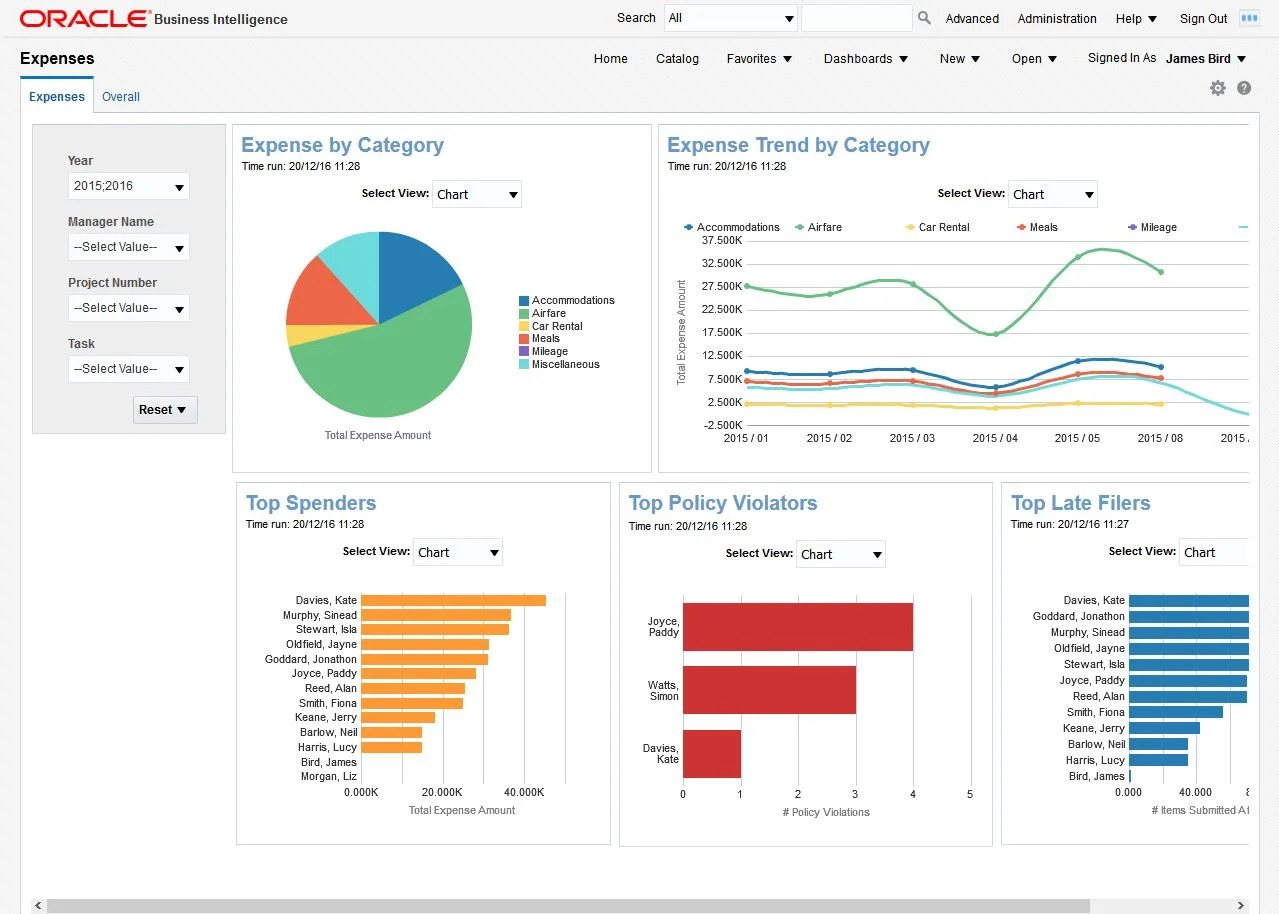
When it comes to the logistical requirements of large companies, Oracle ERP Cloud is an all-inclusive resource planning option. Its capabilities include financial management, operational supply chain management, project forecasting, and the latest AI analytics. It uses real-time business intelligence to help organizations enhance productivity and efficiency while minimizing costs.
Features:
-
AI-driven analytics and reporting
-
Automated financial and procurement workflows
-
Scalable cloud infrastructure with multi-tenant support
-
Embedded risk and compliance management
Pros:
✔️ Robust cloud infrastructure and scalability
✔️ AI-powered automation for data-driven decisions
✔️ Strong security and compliance capabilities
Cons:
❌ Complex setup and integration process
❌ Higher pricing for advanced features
Pricing: Starts at $625 per user/month
2. SAP S/4HANA – Best for Intelligent Enterprise Operations
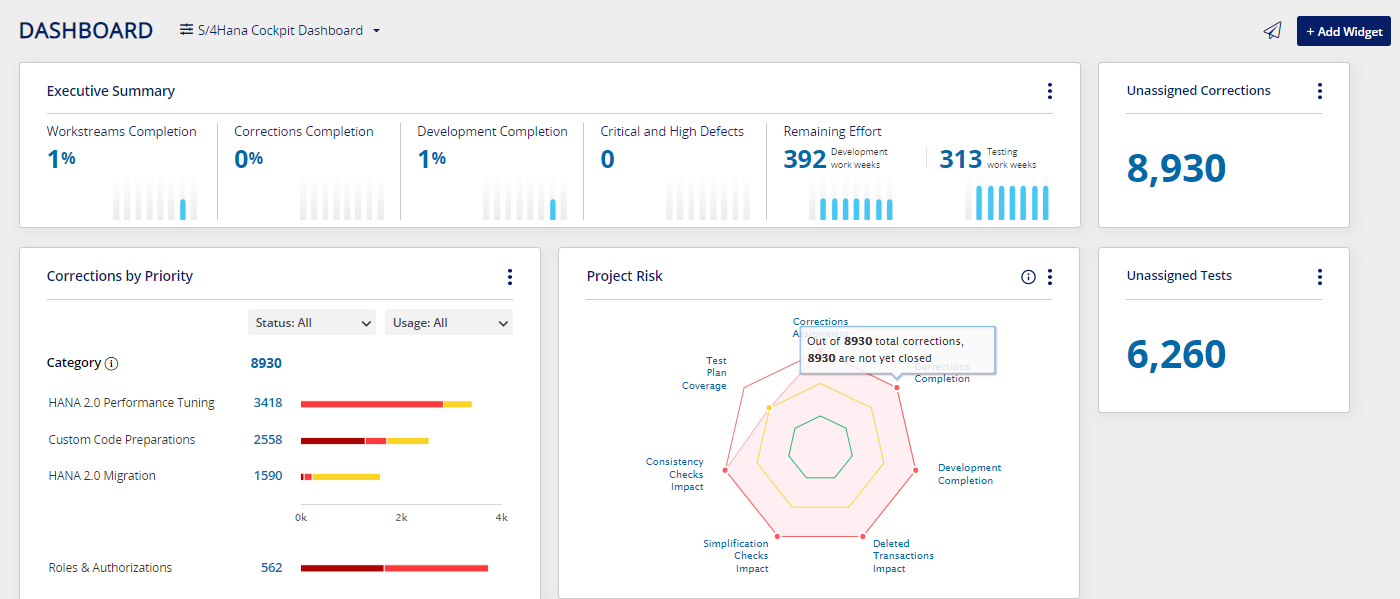
An intelligent enterprise operations platform, SAP S/4HANA is an AI-enhanced ERP system aimed at providing automation and integration along with predictive capabilities and real-time data visibility. It provides analytics and supply chain automation in an intelligent fashion.
Features:
-
AI-powered automation for business processes
-
Predictive analytics and machine learning capabilities
-
Cloud and on-premise deployment options
-
Integrated financial and supply chain management
Pros:
✔️ Real-time data processing and analytics
✔️ AI and machine learning capabilities for automation
✔️ Strong compliance and security features
Cons:
❌ Expensive for small and mid-sized businesses
❌ Requires skilled professionals for implementation
Pricing: Starts at $1,700 per user/year
3. Infor CloudSuite – Best for Industry-Specific ERP Solutions
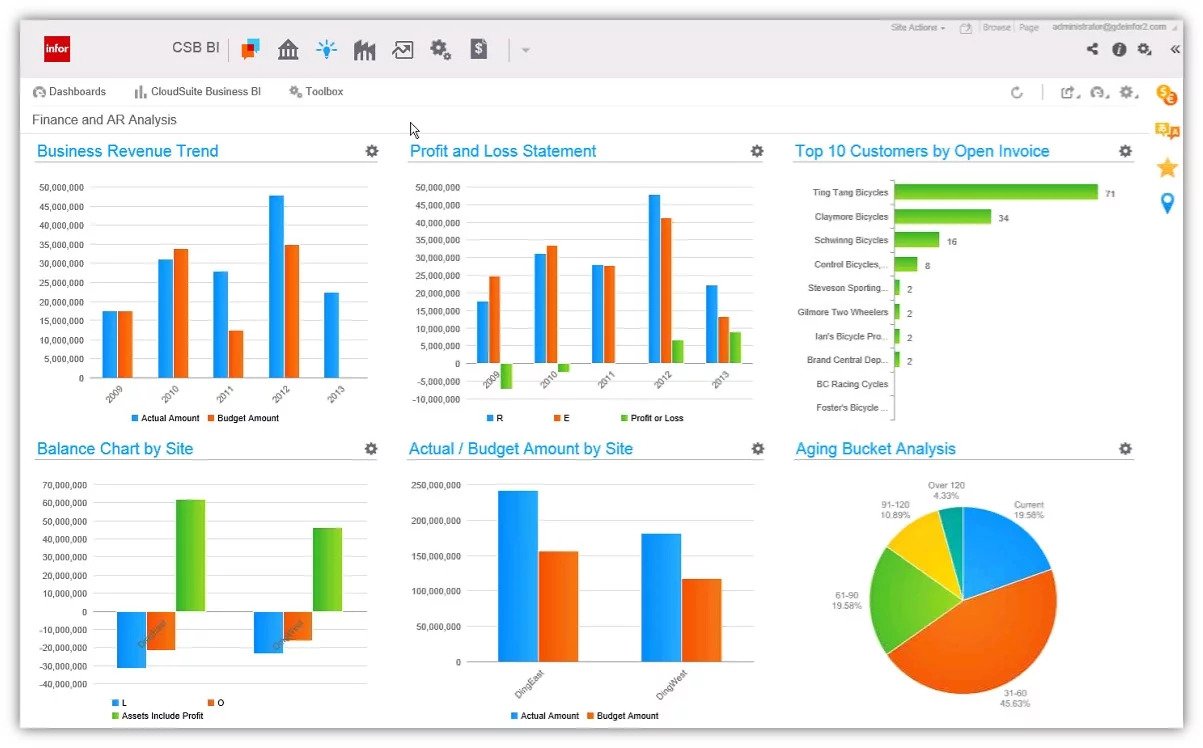
Easily adapted to different industries such as healthcare and manufacturing, Infor CloudSuite offers more than just basic ERP capabilities, including AI-powered automation and analytics within an industry-oriented configurable cloud infrastructure, making it suitable for all sectors.
Features:
-
Industry-specific modules for manufacturing, healthcare, and retail
-
Cloud-based and on-premise deployment options
-
AI-driven automation and analytics
-
Integrated financial management and supply chain tracking
Pros:
✔️ Tailored solutions for different industries
✔️ AI and automation for operational efficiency
✔️ Scalable and cloud-ready infrastructure
Cons:
❌ Customization increases costs
❌ Implementation time varies based on industry needs
Pricing: Starts at $200 per user/month
4. Settle – Best for Financial and Expense Management
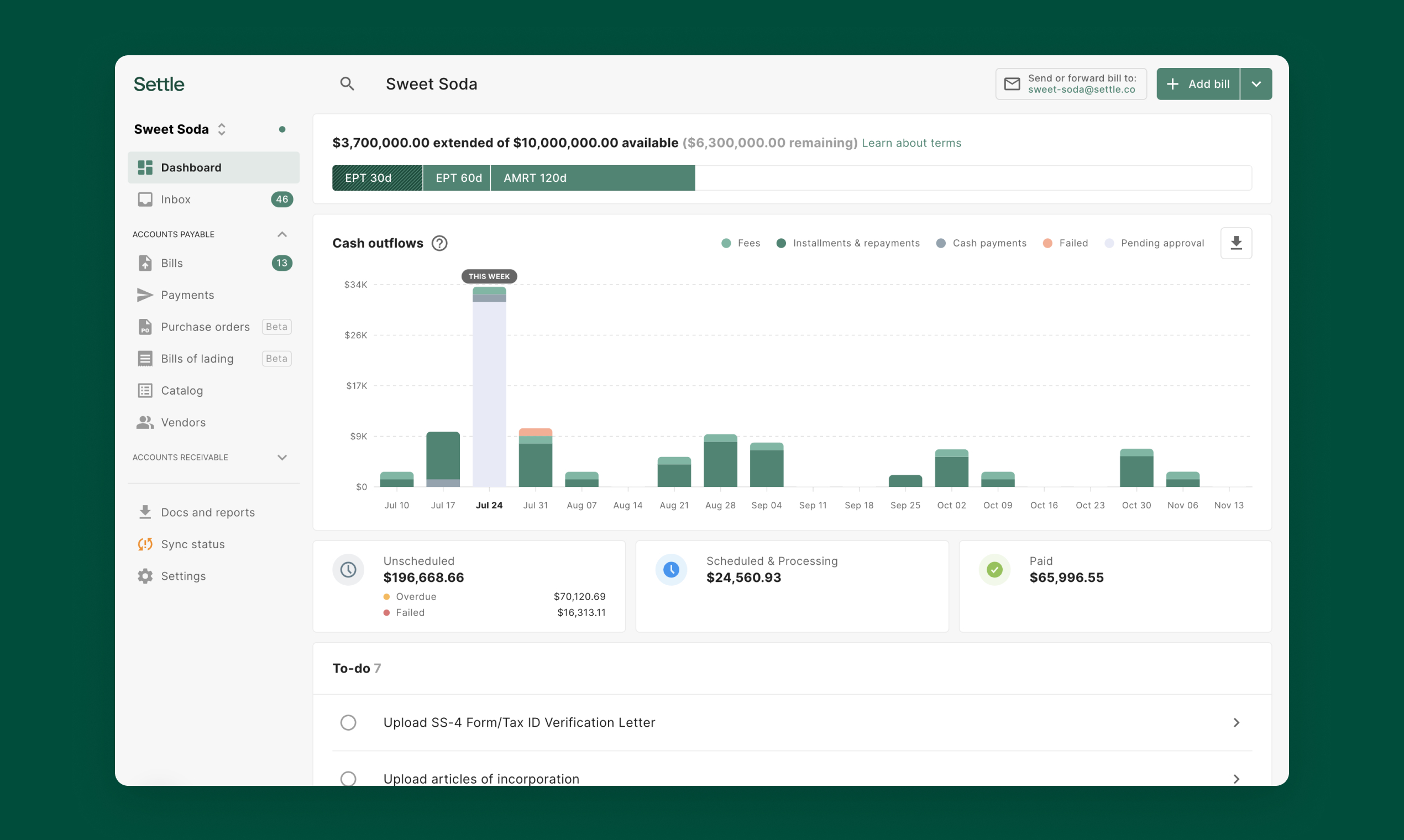
Specifically developed for startups and mid-sized organizations, Settle offers simple accounts payable controls, vendor payment options, budget management functionalities, and more, with a primary focus on financial and expense management.
Features:
-
Automated payment processing and vendor management
-
Expense tracking and financial reporting
-
Integration with accounting software and banking systems
-
Custom approval workflows for financial transactions
Pros:
✔️ Simple and easy-to-use interface
✔️ Strong financial and payment management features
✔️ Affordable pricing for small businesses
Cons:
❌ Limited modules outside of financial management
❌ Not ideal for large enterprises needing full ERP functionalities
Pricing: Starts at $20 per user/month
5. NetSuite – Best Cloud-Based ERP for Growing Businesses
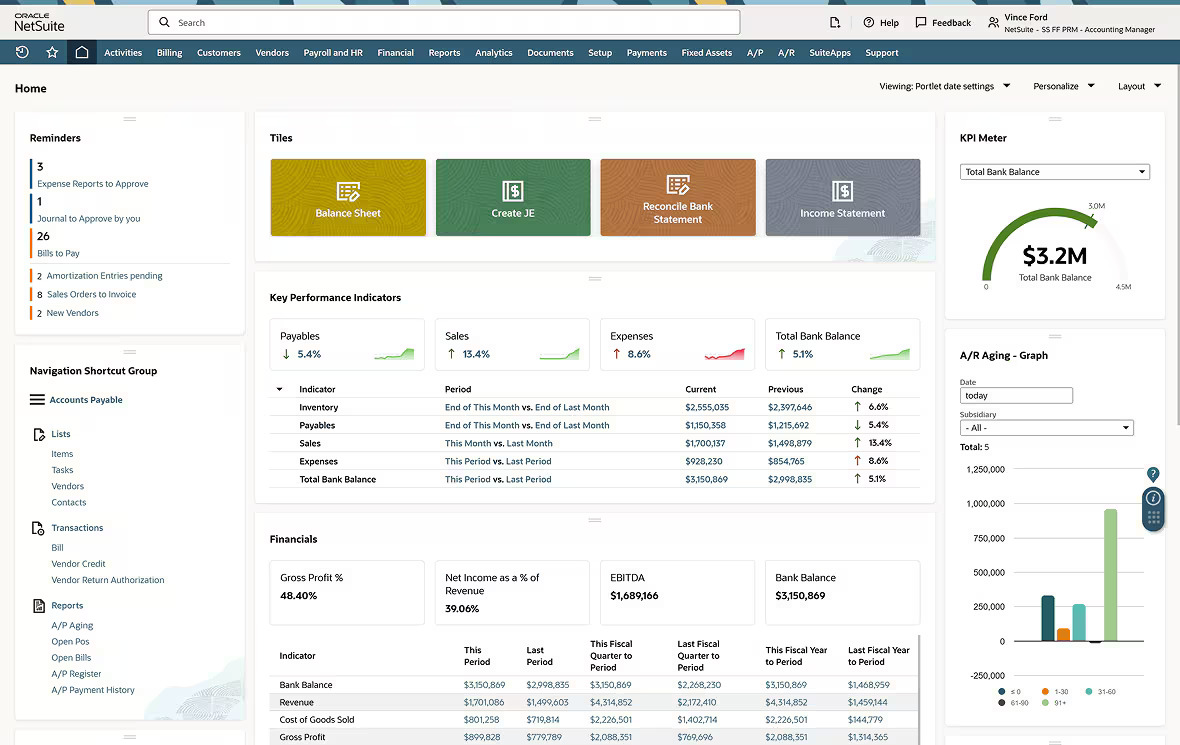
NetSuite is among the premier options in ERP-type applications as it is presented on the cloud. Enterprises and businesses looking for a comprehensive management platform are using this software for financial management, inventory control, and customer relationship management.
Features:
-
Unified financials, CRM, and inventory management
-
AI-driven automation for forecasting and budgeting
-
Scalable cloud ERP with real-time analytics
-
Multi-currency and tax compliance support
Pros:
✔️ Comprehensive ERP suite with strong integrations
✔️ AI and automation improve business efficiency
✔️ Scalable for businesses of all sizes
Cons:
❌ High implementation costs
❌ Requires training for full utilization
Pricing: Starts at $99 per user/month
4. Features Of Best ERP Programs In The USA
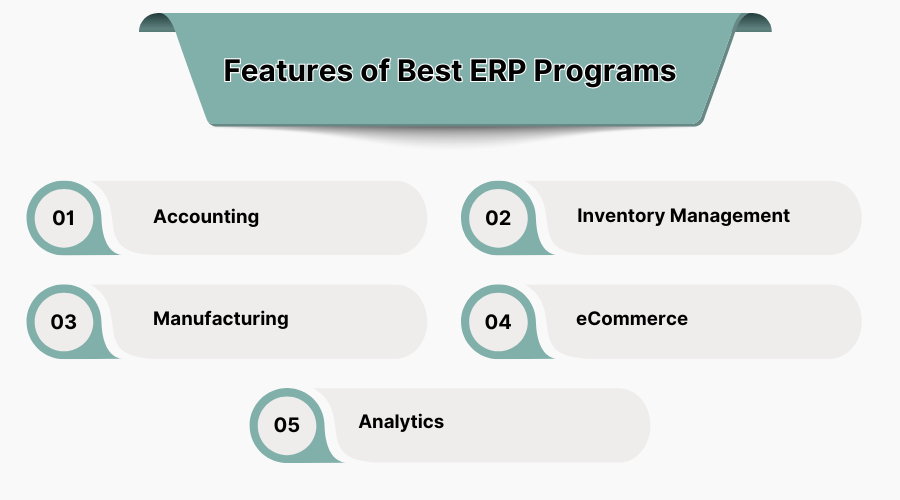
Accounting
The ERP system encompasses accounting functionalities such as automated financial reporting, budgeting, and tax compliance, as well as cash flow management. Businesses stand to gain from timely financial analytics, ledger surveillance, AI-powered reconciliation, fraud risk mitigation, and complex currency transactions.
Inventory Management
The ERP system is equipped with inventory management control, which ensures timely stock-checking and demand prediction, as well as automation of warehouses. The system's barcode scanning, autonomous stock replenishing, and AI analytics help businesses reduce costs and prevent stockouts.
Manufacturing
Manufacturing ERP incorporates automation as well as resource planning and production scheduling. It integrates BOM, machine maintenance, and quality control tracking to help manufacturers mitigate production waste, improve efficiency, and manage supply chain visibility.
ECommerce
ERP systems assist with order fulfillment, sales management, and CRM for eCommerce businesses. Multi-channel invoicing and data synchronization enhance product listing and customer servicing, improving overall business performance while optimizing the customer experience and online sales.
Analytics
ERP analytics offers insights and performance tracking through customizable dashboards. Businesses are empowered to make well-informed decisions and improve operational efficiency with AI-powered predictive analytics and advanced business intelligence tools.
5. Benefits Of The Top ERP Systems In The USA
Continuous Innovation
Providers actively enhance ERP solutions with artificial intelligence and predictive analytics, which deliver greater levels of process automation and real-time data monitoring. These solutions enable businesses to maintain competitiveness and improve data security along with regulatory compliance.
Lower Costs
Businesses achieve significant operational cost savings through the installation of ERP applications. The software decreases expenditures associated with manual processes, errors, and wasted resources. Furthermore, automated workflows throughout planning, financial management, procurement, and workforce administrative tasks promote smooth operations and profit margins.
New Functionality
Organizations leveraging modern ERP solutions enjoy access to AI-powered insights, IoT integration, and advanced real-time financial forecasting. The availability of automated reporting and sophisticated data analytics paired with workflow optimization leads to smarter, faster strategic decision-making and enhanced productivity, thus better meeting industry standards.
Real-Time Insights
ERP systems integrate real-time reporting analytics, dashboards, and custom reports to allow the business to monitor their inventory, sales, and expenses in real time. Such control ensures that businesses respond dominantly to market forces while sustaining the accuracy of data provided.
Simplicity And Automation
ERP software eliminates the need for human involvement in many routine tasks. This not only optimizes accuracy but also enhances the efficiency of the employees. With intuitive workflows and complete reporting, businesses concentrate on their core strategies more.
Mobile ERP
ERP software with mobile capabilities allows for remote monitoring, approval, and real-time management of business activities. With AI automation, cloud systems, and mobile dashboards, business operations can be monitored and performed from any part of the world without disruption.
6. Challenges In ERP Solutions In The USA
Change Management
Implementing ERP solutions exposes the businesses to new processes, workflows, and technologies that call for adaptation. Lack of employee support, management backing, and inadequate change plans can lead to slow implementation, inefficiency, and underutilization of the system’s capabilities.
Goal Misalignment
A lack of defined objectives leads to disparate goals within a stakeholder’s network for ERP implementation. Failure in organizational planning causes a disconnect between business needs and the ERP system, which results in resource wastage and a framework that thwarts business progress.
Misunderstanding the Technology
Data analytics, automation, and subsystem integration in ERP are multidimensional interfaces that a business may not comprehensively appreciate. A lack of understanding regarding the system’s capabilities, customization, and compliance requirements can create operational silos and missed equipment to harness the ERP system.
Scope Changes
A project scope that does not provide sufficient detail invariably leads to budget and timeline overruns. Constantly changing organizational requirements leads to chaotic frameworks resulting in unfulfilled integration, system inefficiencies, and disconnect with the organizational ethos and objectives.
Inadequate Budget
Most organizations fail to strategize scoped costs around ERP implementation, which includes customizations needed, licensing, training, and ongoing maintenance services. Inadequate financial provisioning creates gaps in meeting deadlines, and completing integrations, and negatively impacts the ability to adapt to business needs over time.
Communication Silos
A communication disconnect between departments results in significant difficulties regarding the ERP system. In the absence of planning synergy among IT, finance, HR, and other branches, an organization will encounter silos, resistance from users, and inefficient automation of workflows.
Lack of Training
Employees must receive adequate training on the ERP systems in order to utilize them effectively. Underuse of services due to poor support, change aversion, lack of direct instruction, and increase in mistakes decided through guidance leads to inconsistent productivity.
7. Criteria For Selecting The Right ERP Software
-
Industry-Specific Features – The ERP should meet specific business workflows, additional compliance requirements, and other relevant industry features.
-
Scalability – Aligned with business growth is the updated software module and increasing data requirements.
-
Integration Capabilities – The new ERP software should seamlessly work with the already employed accounting, CRM, and HR systems.
-
User-Friendliness – The entire company will utilize the new ERP software, so it requires easy use and department-friendly adaptation.
-
Customization – An ERP system that allows any combination of dashboarding, reporting, and custom workflows should be prioritized across any industry, regardless of specific business functions.
-
Cloud-Based or On-Premise – Choose cloud-based ERP systems for flexibility or on-premise systems for greater control over security.
-
Security and Compliance – Protect sensitive data through encryption and address specific industry compliance requirements.
-
Customer Support – Choose a provider that guarantees 24/7 customer support and regular updates to the software.
8. Why Use The Best ERP Software?
The leading programs can combine the functions of planning, finance, HR, Supply and logistics, Inventory, and Customer relations into one system. With centralized data management comes the necessity of minimal manual effort, which significantly increases the accuracy and efficiency of the provided output.
Moreover, it offers real-time data and analytics with AI-driven insights alongside providing better decision-making capabilities which help minimize error. Additionally, cloud-based ERP solutions further enhance cybersecurity. Towards modern business, these features allow remote and mobile access, which keeps businesses competitive in today’s digital economy.
Tailored systems can also be integrated by diverse businesses with specific modules and automation features which greatly improve cost efficiency in resource allocation, compliance, and performance tracking. This can enable companies to optimize productivity while leading to long-term growth along with profitability. Modern cloud based HCM solutions further enhance this by providing flexibility, scalability, and real-time access to critical workforce data.
9. What Is ERP Software In The USA?
ERP solutions can be classified as systems that offer integrated business management software focused on a multi-functional approach in the USA. It provides automation for financial, inventory, human resources, supply chain, and customer relationships functions, which eliminates manual work and thereby improves efficiency.
AI-powered insights, compliance monitoring, and continuous business functions in real-time with no interruption of business data access are possible with cloud-based ERP systems. Companies are enabled to effectively optimize budgetary and project workflow automation Software with versatile modules, integrated automation, and sophisticated analytics tools. All businesses use ERP solutions for their productivity improvements and profit maximization.
10. Conclusion
With advanced automation drive, combined with cloud and mobile ERP along with predictive analytics solutions, it is now possible for businesses to manage their supply chain, finance, and customer relations, enabling real-time responsiveness along with informed decision-making for overall business performance.
Explore top SaaS advisors for the best ERP solutions options online and prepare to choose the most appropriate one tailored to the requirements needed for business success.
