
What we'll cover
Share with your community!


Get Free Consultation
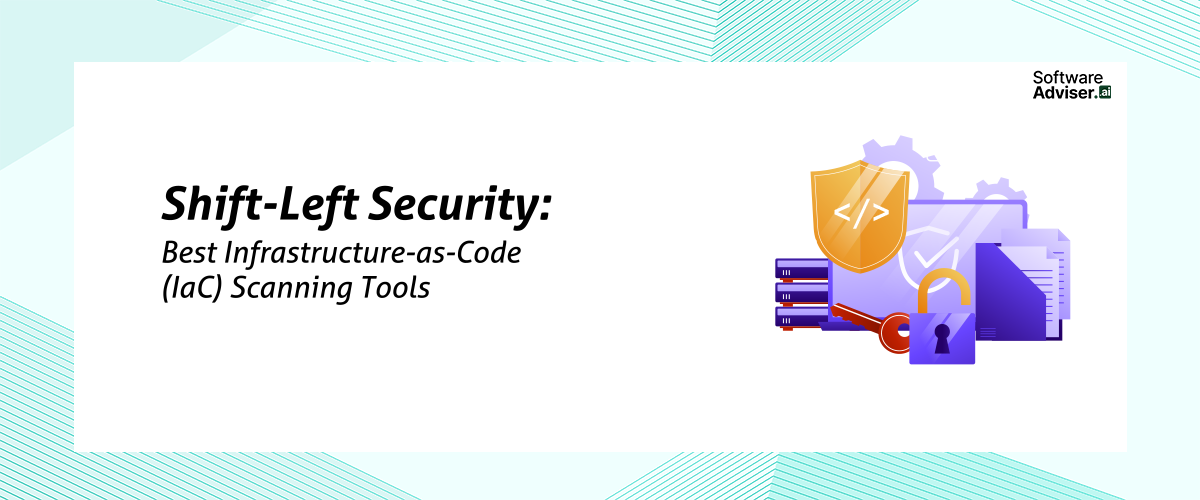
Shift-Left Security: Best Infrastructure-as-Code (IaC) Scanning Tools
 Dokas mile
To build a resilient and secure cloud setup, modern tech businesses need a smart approach to cloud architecture management. When running complex code configurations across multiple public cloud networks, maintaining clear operational visibility requires an advanced orchestration layer, which is efficiently provided by an enterprise-grade AI Cloud Management Platform.
 Looking for AI Cloud Management Platform? Check out softwareadviser.ai's List of the Best AI Cloud Management Platform in USA for Your Business
 This operations tier allows engineering and security groups to safely monitor infrastructure changes, track resource utilization, and analyze computing costs in real time. For teams managing large-scale system orchestrations, coupling this resource monitoring layer with an automated AI Agent Platform can continuously scan technical environments, instantly flagging anomalous infrastructure architectures. By combining advanced configuration scanning engines with an automated validation track, companies can execute comprehensive IaC Scanning routines early in the development lifecycle, protecting corporate data assets without slowing down software delivery speeds.
What Is Shift-Left Security?
Shift-Left Security describes the proactive practice of moving software vulnerability testing, policy checking, and compliance tracking to the absolute earliest stages of the development cycle. In older software workflows, security testing occurred late in the process, usually right before commercial deployment or during periodic post-release audits. This outdated approach created massive bottlenecks, forcing software developers to completely rewrite large blocks of code right before launch to fix hidden system flaws. Shifting left fixes this problem by running security tests continuously as soon as an engineer writes a single line of infrastructure definitions.
Executing continuous validation loops early in the engineering workflow requires a reliable background system to run scans without manual intervention. Development groups use automated check routines to verify code for vulnerabilities every time a team member pushes an update to a shared repository. These automated checks are often coordinated by intelligent AI Project Management Software to ensure that task deadlines and code review milestones line up with overall project timelines. The ability to plug these automatic tests directly into early-stage pipelines means teams use IaC Scanning Tools to catch systems’ structural shortcomings before they ever reach production. This instant feedback helps engineers resolve configuration issues in minutes versus hours, easing friction in software development and safeguarding systems against known security blind spots.
1. Why IaC Security Matters
Managing modern digital infrastructure using automated code files introduces immense scaling benefits, but it also creates severe security risks if misconfigurations slip past human review. In the engineering world, one misspelled character in a script could lead to the biggest corporate cloud database with sensitive details of many millions of users being trawled through from any point on the internet. Automated configuration tools perform tasks en masse; an infected script running to hundreds of unlinked server arrays is able to spread like fire within one millisecond; and an organization is left entirely exposed. To manage the immense data generated during these large-scale network activities, organizations frequently deploy an expert AI Database Management Software to organize logs, structure transaction histories, and detect operational anomalies immediately.
2. Types of IaC Scanners
Infrastructure-as-Code scanning software applications are generally split into three distinct operational types, based on how they evaluate system configuration code:
- Static AST (Abstract Syntax Tree) Scanners: These software applications read raw infrastructure source code text files directly before any cloud servers are created.
- Dynamic and Graph-Based Testing Tools: These advanced systems analyze code files by mapping out the complex relationships and dependencies between different infrastructure components.
- Policy-as-Code Engines: These tools allow corporate security teams to write explicit compliance rules and business policies using standard programming languages.
Best IaC Scanning Tools
1.Checkov
Checkov represents an industry-standard static analysis scanner designed to evaluate infrastructure configurations across diverse multi-vendor cloud files. As these attacks rely on hidden connections between resources, our experimental system uses graph-based dependency maps to determine whether trace data shows that individual access point vulnerabilities have the potential to amplify into a deeper network compromise.
- Features: More than 1000 pre-enabled security policies, provides graph-based dependency analysis, and integrates natively with almost all development environments.
- Pros: Extremely large developer community and fast execution speeds when running local repository checks.
- Cons: Generating custom, deep policies requires engineers to learn specialized Python or YAML structures.
2. Snyk IaC
Snyk IaC focuses heavily on developer-first security tracking, allowing software engineers to analyze infrastructure scripts directly within active code repositories. The platform delivers real-time remediation guidance, helping teams fix security misconfigurations immediately during active development loops.
- Features: Delivers unified code scanning, advanced cloud drift detection, and automated fix recommendations directly inside active code repositories.
- Supported Cloud: AWS, Microsoft Azure, GCP, and major Kubernetes container setups.
- Pros: Flawless integration with broad security tracking suites and outstanding developer-focused code fixes.
- Cons: Enterprise plans can become expensive as the total number of monitored cloud components scales up.
3. Prisma Cloud
Prisma Cloud is a unified cloud native application security platform with deep, structural visibility across sprawling, hybrid cloud environments.
- Features: It provides real-time security profiles mapped to the infrastructure and also monitors compliance trends while identifying operational threats live since it is an always-on monitoring integrated tool for cloud environments.
- Capabilities: total cloud-native security, continuous compliance mapping, up-to-date threat detection, and advanced vulnerability tracking using a graph-based approach.
- Mandatory cloud: AWS, Microsoft Azure, GCP, Alibaba Cloud, and private cloud infrastructures.
- Pros: Amazing structural visibility in complex multi-cloud deployments and deep compliance reporting that is ready for an audit.
- Cons: The large feature set introduces a complex installation workflow that requires dedicated security training.
4. KICS (Keeping Infrastructure as Code Secure)
KICS is an open-source static code analysis framework built explicitly to evaluate microservices architectures and container deployment configurations. It analyzes files rapidly, generating lightweight terminal readouts that allow developers to identify missing configuration parameters without administrative overhead.
- Features: Provides fully open-source static code analysis along with easily customizable checking scripts and native support of new-age container configurations.
- Supported Cloud: AWS, Microsoft Azure, GCP, and open-source cloud frameworks.
- Pros: Light system resource footprint with fast execution times when embedded inside background pipelines.
- Cons: Lacks a native web-based user interface, relying entirely on command-line terminal readouts.
5.Terrascan
Terrascan utilizes the flexible Open Policy Agent engine to deliver standardized tracking controls based on a clear policy-as-code model. It assists enterprises in creating uniform compliance mandates, testing them, and ensuring compliance across diverse development channels to avoid infrastructure drift.
Highlights: Powered by the dynamic Open Policy Agent (OPA) engine, includes 500+ built-in policies and provides multi-format cloud vulnerability scanning capability.
- Price: Free and open-source software for all development groups.
- Supported Clouds: AWS, Microsoft Azure, GCP & Kubernetes container architecture.
- Pros: Flawless alignment with Rego-based policy rules, making it an excellent choice for policy-as-code models.
- Cons: Community documentation can feel incomplete when troubleshooting highly niche setup environments.
Features to Compare
When evaluating different infrastructure scanning tools for your development pipelines, technology leaders should carefully assess several core features to choose the best option:
1. Integration Ecosystem
A high-quality scanning application must integrate naturally into your existing developer environments, code management systems, and tracking pipelines. The tool must provide native developer extensions, clear command-line utilities, and simple plug-ins for popular configuration frameworks.
2. Policy Customization
Every corporate organization faces unique compliance requirements, data privacy mandates, and internal infrastructure guardrails. An enterprise-grade scanning platform must allow security teams to modify existing security rules and write custom validation policies easily.
3. Remediation Guidance
An infrastructure scanner is only valuable if it helps your engineering team fix detected security errors quickly. To streamline these developer updates and coordinate cross-department notifications smoothly, companies utilize an advanced AI Workflow Automation Software to link separate software utilities into one unified tracking system, accelerating resolution times.
4. Supported Technologies
Modern multi-cloud environments utilize a diverse range of infrastructure frameworks, including Terraform, CloudFormation, Bicep, Helm charts, and Dockerfiles.
Comparison Table
|
Scanning Platform |
Core Testing Method |
Best Architectural Fit |
Structural Advantage |
|
Checkov |
Static & Graph Analysis |
Multi-framework open-source pipelines |
Large built-in policy library |
|
Snyk IaC |
Static Analysis |
Fast-growing developer teams |
Exceptional remediation guidance |
|
Prisma Cloud |
Full-Stack Security Graph |
Large multi-cloud corporations |
Comprehensive compliance tracking |
|
KICS |
Static Code Scanning |
Container-focused microservices |
Extremely fast execution times |
|
Terrascan |
OPA & Rego Policies |
Strictly regulated business spaces |
Standardized policy-as-code engine |
Conclusion
Adopting automated infrastructure scanning tools represents a major strategic step forward in how modern enterprises manage digital security without sacrificing development speed. While global cloud architectures continue to grow in scale and complexity, these specialized testing tools provide a reliable, automated pathway to secure your systems. By embedding proactive code validation directly into active engineering workflows today, business organizations can cultivate vital internal technical expertise, catch dangerous misconfigurations early, and protect their core data structures from external threats.
FAQ's
IaC scanning tools detect security and compliance issues in infrastructure code before deployment.
Shift-left security integrates security checks early in the software development process.
They help prevent misconfigurations and security vulnerabilities before production.
DevOps, DevSecOps, cloud, and security teams should use IaC scanning tools.
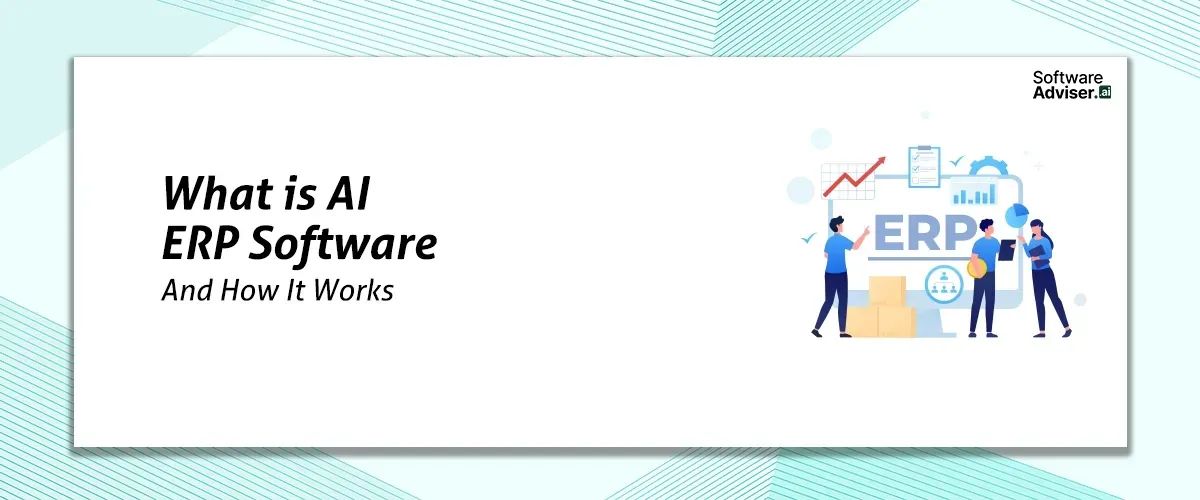
The introduction of AI ERP (Artificial Intelligence Enterprise Resource Planning) is changing the way that organizations function in the modern world. [...]

David N. Wilks
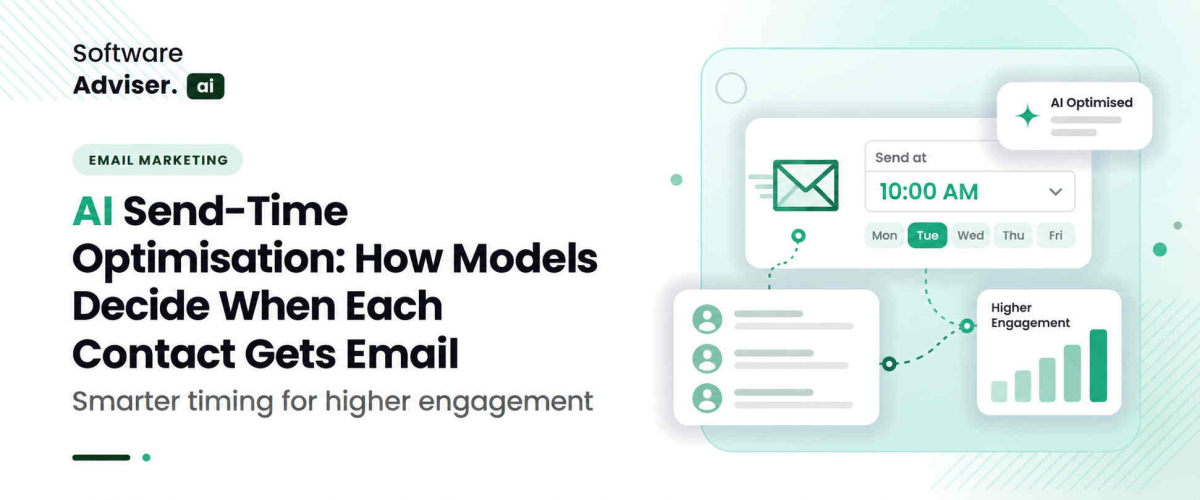
Artificial intelligence’s send-time optimization (STO) makes use of established machine learning systems to turn email distribution from a generaliz [...]
Dokas mile
A typical pharmacy will experience a massive shift to digital by 2026. The changing needs for healthcare and the continued decline in margins are lead [...]