
Best Network Management Software in
Are you looking for Network Management Software for your Business in ? SaaS Adviser brings you the best Network Management Software to ease your worries. In order to make your work smooth and swift, SaaS Adviser has compiled a list of the best software available. Compare the Best software features, pricing, free demo, and trial to select the best Network Management Software for your organization.
 Researched and Written by Nikita Rao
Top 3 Featured Softwares

List of Top Network Management Software

Get Free Consultation

ManageEngine OpManager

Gain Comprehensive Visibility and Actionable Insights to Optimize Your Network Performance
 4.5
4.5
ManageEngine OpManager is a network monitoring software that provides real-time visibility into device health, availability, and performance.
View Profile
Auvik
By Auvik
Auvik is cloud-based network management software that helps you see the big network picture, narrow down possible devices to investigate, and zoom in to get the info you need. With...
View Profile

LogicMonitor
Effortless monitoring. Seamless troubleshooting. From infrastructure to applicationsAt LogicMonitor, we’re devoted to expanding what’s viable for businesses by advancing their era. After all, monitoring shouldn’t just assist companies to see what’s in ...
View Profile
Nagios XI is the most trusted open source network monitoring software available. It is packed with features like resource management, server monitoring, SLA monitoring, uptime moni...
View Profile

This is a cloud-based application monitoring tool for infrastructure, event logs, and applications. It helps users search, collect and analyse traces across fully distributed platf...
View Profile
NinjaOne, formerly known as NinjaRMM, is a cloud-based IT management platform designed to help managed service providers (MSPs) and internal IT teams efficiently monitor, manag...
View Profile

WhatsUp Gold
By Progress SoftwareCheck How WhatsUp Gold can help to automate Indian Business. SaaSAdviser provide their list of features, pricing, Free demo and Comparison with the best alternative
View Profile

Domotz PRO is a top-of-the-line network management and monitoring solution. It can manage any IP-enabled device and comes with powerful network monitoring features like bandwidth m...
View Profile

SolarWinds Network Performance Monitor
By SolarWinds Network Performance Monitor
NPM provides you with built-in dashboards and tools for real-time network performance monitoring, network bandwidth analysis, and network configuration management. SolarWinds Ne...
View Profile

What is Atera?Atera is an all-in-one remote monitoring and management (RMM) platform designed for IT professionals and managed service providers. It integrates essential to...
View Profile
ManageEngine NetFlow Analyzer
Extensive network bandwidth monitoring and traffic analysis tool
NetFlow Analyzer is a tool that manages bandwidth by monitoring, collecting, and analyzing traffic to discover performance issues and security risks. Regardless of the organiza...
View Profile

NG Firewall
By UntangleCheck How NG Firewall can help to automate Indian Business. SaaSAdviser provide their list of features, pricing, Free demo and Comparison with the best alternative
View Profile
What is Dynatrace? Dynatrace is an advanced observability and application performance monitoring platform that helps businesses track, analyze, and optimize the health of applic...
View Profile
What is Pulseway?Pulseway is a cloud-based remote monitoring and management (RMM) platform that enables IT teams and managed service providers to monitor, manage, and secure th...
View Profile
Zabbix is a network monitoring software that allows real-time network performance monitoring and management. It can monitor internet usage, bandwidth, IP address, uptime, server et...
View Profile

BackBox is a leading Intelligent Automation platform that provides corporations with a unified one-stop Security and Network infrastructure. They aim to provide a solution that e...
View Profile

Aruba AirWave
By Hewlett Packard Enterprise
Check How Aruba AirWave can help to automate Indian Business. SaaSAdviser provide their list of features, pricing, Free demo and Comparison with the best alternative
View Profile

Checkmk
By Checkmk
Checkmk is the best infrastructure and application monitoring system that helps you stay up and running from simple to the most complex environments. It is suitable for all size of...
View Profile

Spiceworks
Best Help Desk Software For Small BusinessSpiceworks assists you run a ship-shaped help desk, at the office and on the road.
View Profile
Paessler
By Paessler
Check How PRTG Enterprise Monitor can help to automate Indian Business. SaaSAdviser provide their list of features, pricing, Free demo and Comparison with the best alternative
View Profile

Table of Content
In the very connected world we live in today, it is an important requirement for an organization to ensure that the IT infrastructure goes smoothly. The network is at the center of the infrastructure, the basic connection fabric connecting users, equipment, data centers and blame environments. The network management system acts as a centralized carrier for IT subjects who control and supervise the network and monitor everything that runs on many devices.
1. Conclusion
In order to preserve the best possible technology environment, network management software must be effective. Net management software safeguards your professional connections' functions properly, strengthens dependability, and fosters corporate expansion with its sophisticated application monitoring and optimization features. Superior authority, quicker problem solving, and improved performance are all results of selecting an appropriate solution.
2.
3. Top 5 Best Network Management Software in USA
A wide range of network management systems distinguish out in the ever-changing US IT scene due to their advanced features, adaptability, and dependability. The most popular software systems that have established the standard for effective networking management and observation have been identified here.
1. Auvik
Auvik is a cloud-based tool for managed services entrepreneurs and IT teams to continuously track and operate networks. To make network operations easier, the system offers comprehensive network mapping, visibility at all times, and statistical analysis.
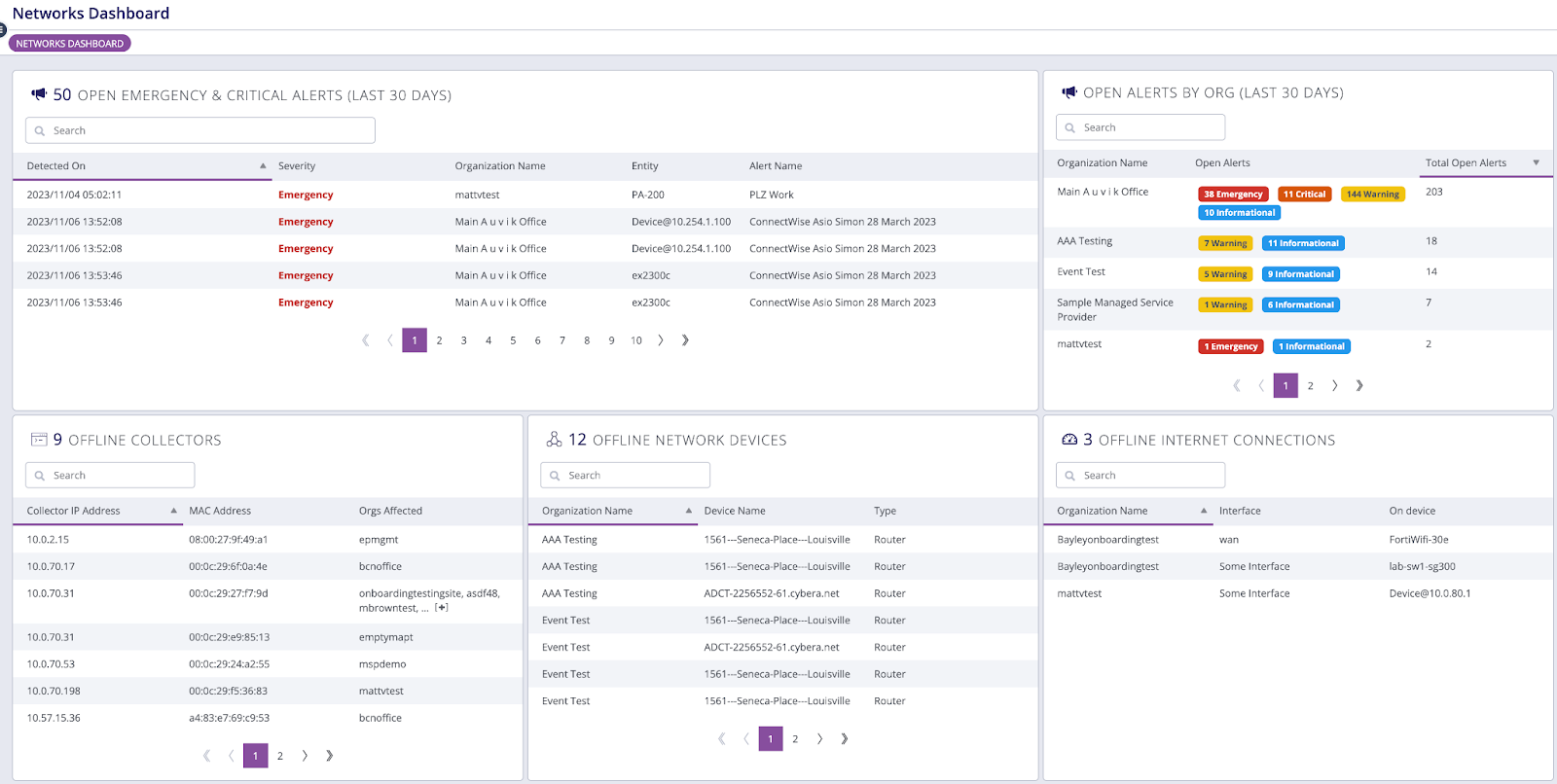
Top Features:
- Automated network discovery and mapping
- Real-time performance monitoring
- Traffic analysis and float insight
- Change backup and tracking of configuration
- Centralized network management with multiple websites
Pros:
- Simple setup with user-friendly interface
- Strong automation reduces manual features
- The excellent network provides visibility
Cons:
- High prices for small businesses
- Limited adaptation in reports
- Current false notice
Pricing: Starts at $35 per month; employee plans vary
2. NinjaOne
NinjaOne is an all-in-one IT management platform designed for MSPs and IT professionals. It provides a centralized, user-friendly dashboard to monitor the device, patch control, and distance support.
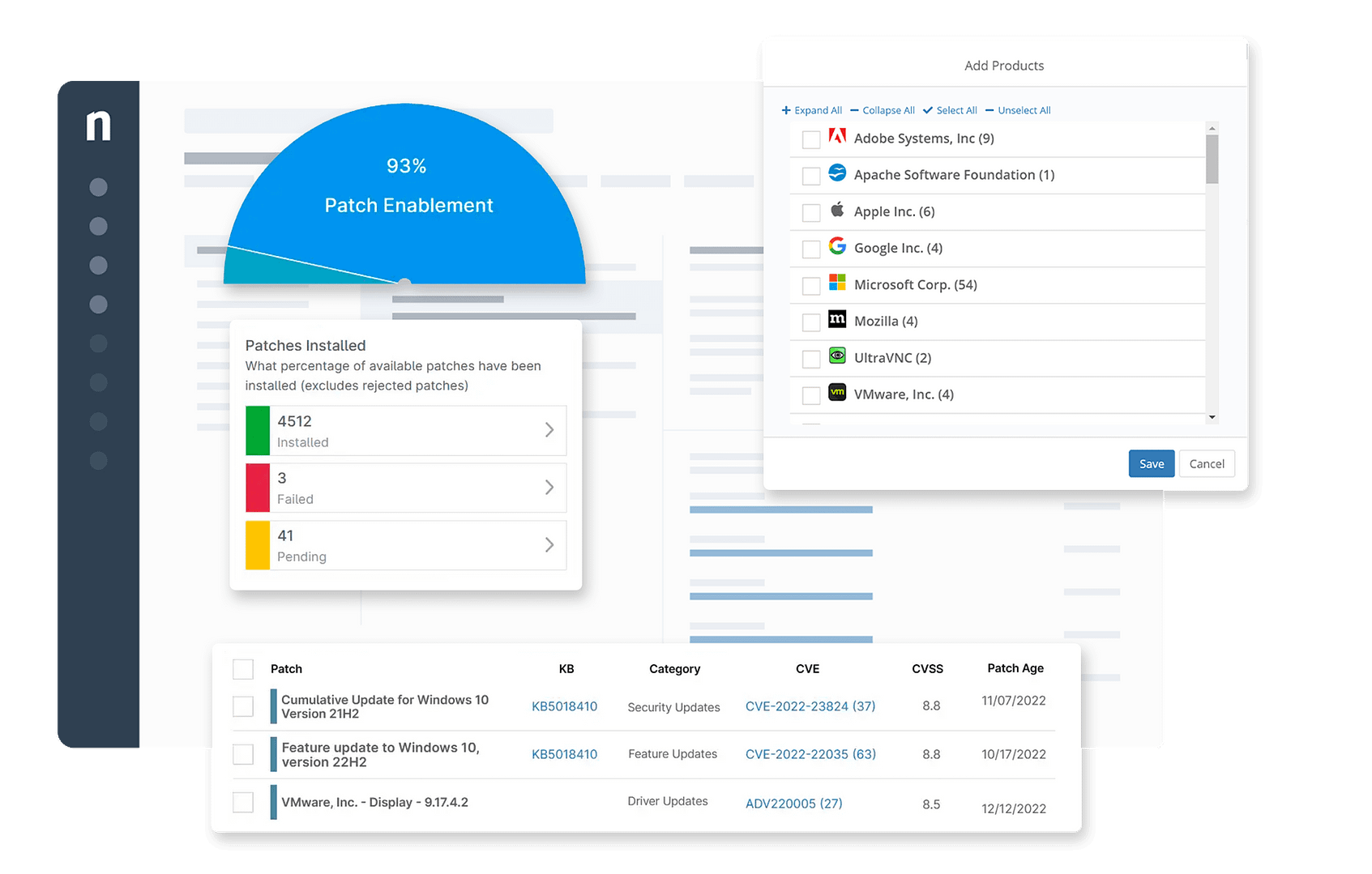
Top Features:
- Remote Monitoring and Management (RMM)
- Automated patch control
- Fast and safe remote access
- Cloud-based backup and recovery
- Real-time warning and customized reporting
Pros:
- Simple use and intuitive interface
- Strong automation reduces manual features
- Reliable remote support functionality
Cons:
- Limited third-party integration
- Expensive for small businesses
- The mobile app lacks advanced facilities
Pricing: Pricing starts at $2 to $4 per endpoint per month, with custom plans available for larger networks.
3. New Relic
A powered by the cloud accessibility platform called New Relic offers comprehensive data about the system, user experience, along application performance.
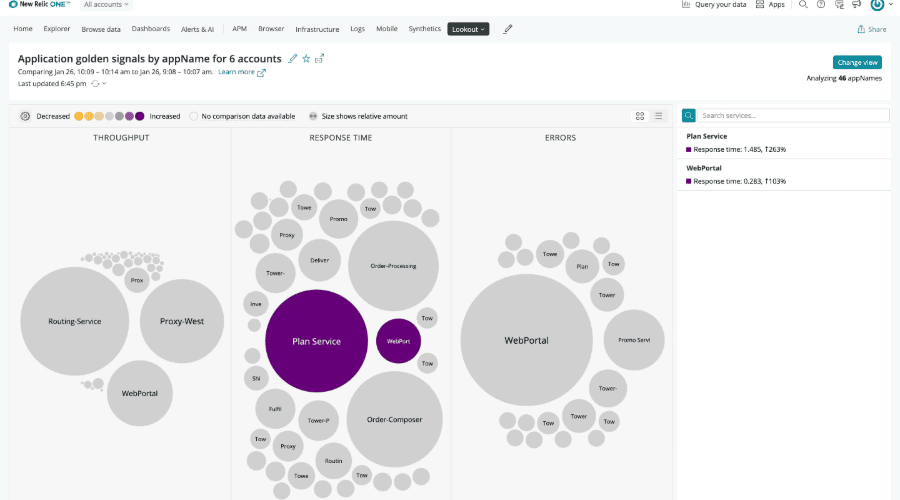
Top Features:
- Monitoring of applications
- Real-Time Infrastructure Monitoring
- Transport distributed for microservices
- Custom dashboard and analysis
- Notification and deviation detection
Pros:
- Detailed performance insight into the full technical stack
- Scalable and ideal for large businesses
- Powerful Data Visualization Tools
Cons:
- Complicated for beginners
- Can be expensive for small layers
- Current interval in UI responsibility
Pricing: One free full platform user, 100 GB/month data ingest.
4. OpManager
OpManager is a network monitor surveillance that helps IT teams manage network units, servers, and performance matrices in real-time.
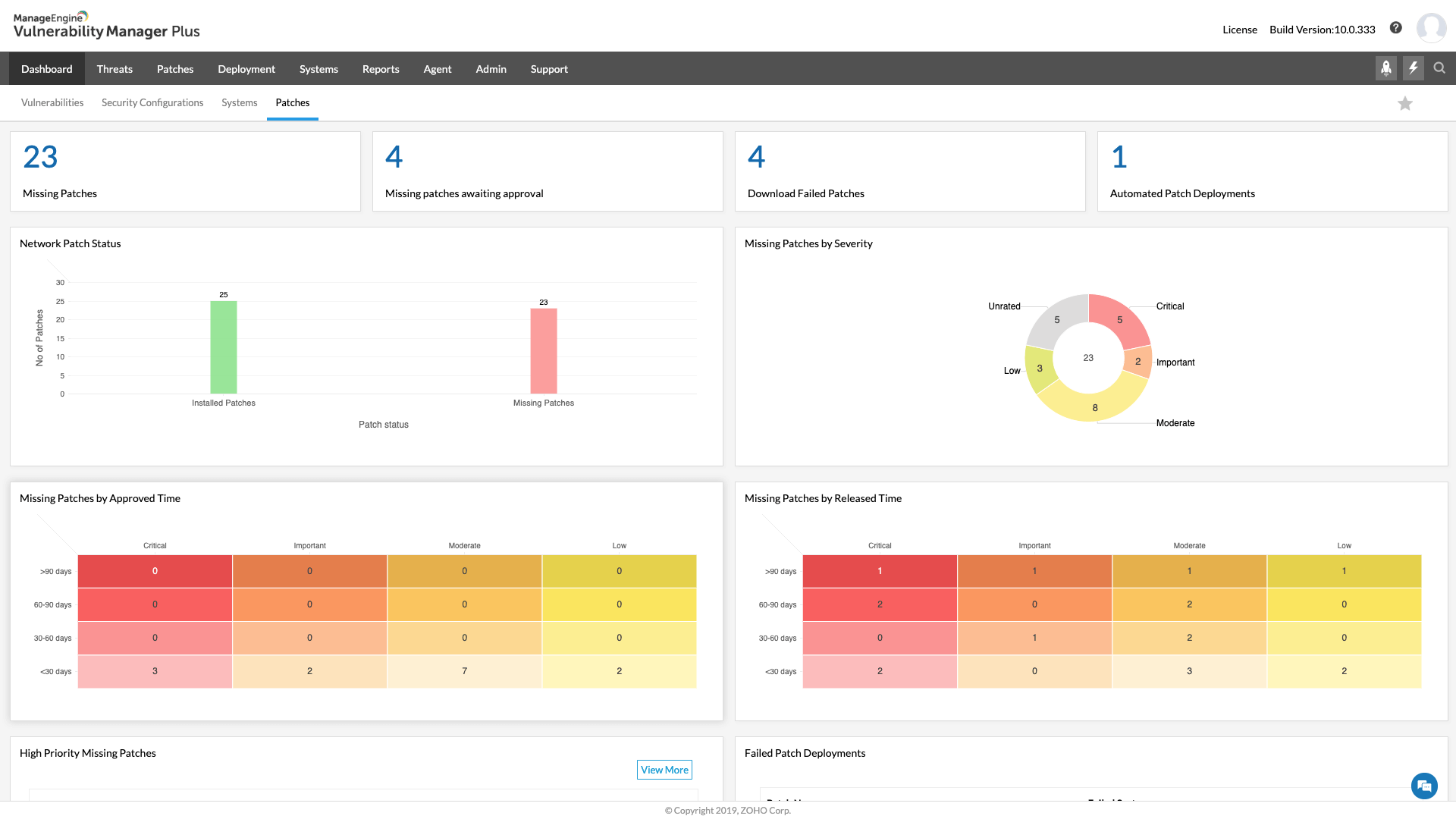
Top Features:
- Real-time network monitoring
- Unit automatic discovery and mapping
- Server and virtue monitoring
- Custom dashboard and report
- Threshold-based notifications and notifications
Pros:
- It is easy to provide with minimum configuration
- Supports a wide range of equipment and suppliers
- Affordable compared to enterprise alternatives
Cons:
- Old user interface compared to modern equipment
- More manual setup is required than cloud-based solutions
- Limited third-party integration
Pricing: Visit the website, get a quote for custom pricing.
5. Site24x7
For a combination of Logistics and technical professionals, Site24x7 is accessible via the cloud, integrated with monitoring solutions for websites, network infrastructure, servers, and application execution.
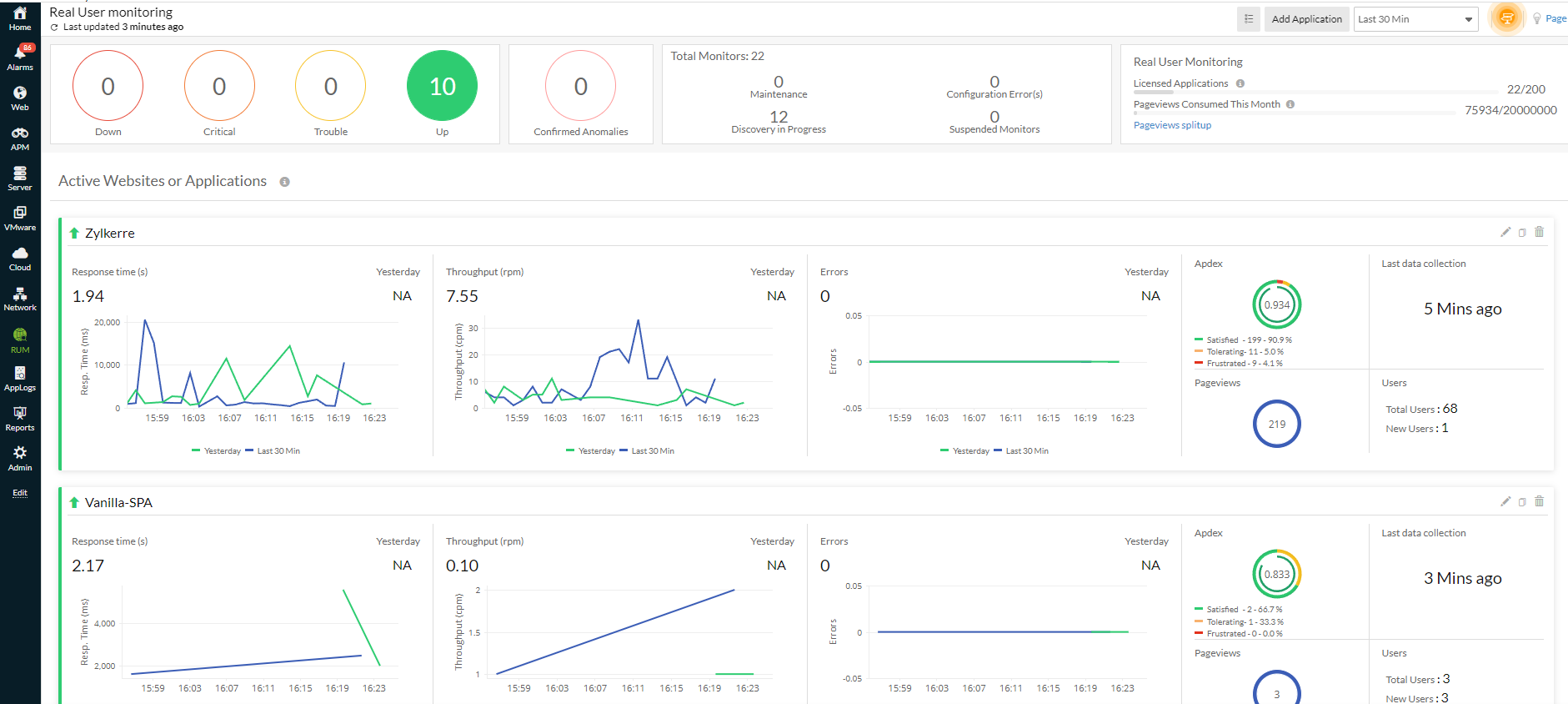 Top Features:
- Website and monitoring of server tasks
- Monitoring of applications
- Real-user and synthetic monitoring
- Network and cloudy fraternal monitoring
- AI-based deviation detection and notice
Pros:
- One application that covers an expansive spectrum of IT monitoring
- Straightforward to operate UI with prompt insights
- Affordable for small and medium-sized enterprises
Cons:
- Fewer sophisticated capabilities at lower price points
- Deploying distinctive dashboards can be challenging.
- Certain evaluations are too superficial for power users.
Pricing: offers various monthly plans starting from $9/month
4. What are the Latest Trends Of Network Management Software?
As technology continues to evolve, so does network management. Here’s a look at the emerging trends that will shape the latest trends of network software manager:
1. AI-Powered Network Management
The administration of networks is changing as a result of artificial intelligence (AI). Traffic across networks analysis, recognizing anomalies, and real-time problem identification are all made possible by AI-powered network management software that uses artificial intelligence algorithms. AI market to grow from USD 214.6 billion in 2024 to USD 1,339.1 billion by 2030, at a CAGR of 35.7%. As a result, response speed and networking uptime are improved, and less oversight by humans is required. Advances in predictive analytics allow AI to even anticipate faults before they occur, which improves the intelligence and robustness of your network. Implementing artificial intelligence is now necessary—not optional—for businesses looking for sophisticated efficiency gains and fewer interruptions.
2. Hybrid Cloud Management
Conducting both on-premises systems and accessible data centers is a challenge enterprises face when they shift their structure to the cloud for storage. IT administrators can effortlessly track performance, enforce regulatory compliance, and administrate operations by utilizing hybrid cloud network management, which offers centralized visibility and control across several environments. Platforms like AWS, Azure, and bespoke data centers may all be seamlessly combined with the right software.
3. Cybersecurity Integration
Security must now be included in your network management program due to the increase in threats from the internet. These days, complicated platforms come with embedded cybersecurity features, which comprise intrusion prevention systems (IPS), barrier setup, real-time alerts about threats, and secure access restrictions. These aspects aid the detection of malicious behavior, avert data breaches, and comply with privacy legislation such as ISO and GDPR.
4. AIOps (Artificial Intelligence for IT Operations)
AIOps improves IT infrastructure management by combining AI and large-scale information analytics. Network software with AIOps skills may automate the identification of root causes, reconcile vast amounts of metrics data, and initiate prompt corrective measures. AIOps ensure that your IT staff may concentrate on strategic obligations rather than battling fires by streamlining the settlement of problems and reducing the need for intervention from humans.
5. Multi-Cloud Monitoring
Considering several cloud service providers are used by contemporary companies, multiple cloud services monitoring is crucial. The most current network software managers offer an identical panel for managing services from Google Cloud, Azure at Microsoft, AWS, and other providers. Notwithstanding the provider, you get constant availability and performance with accurate monitoring and notifications.
6. Network Automation
Automated preparations take a lot of time and are prone to mistakes. Automation of networks has therefore emerged as a crucial trend. Repeated processes like patch updates, implementation of policies, device provisioning, and inspection for compliance are automated by modern network software. This lowers risk during operations while also accelerating implementation. For burgeoning settings that must scale rapidly with no added overhead, mechanization guarantees that network infrastructure remains reliable, effective, and constantly current.
7. 5G Network Support
Ultra-fast speeds, very little latency, and extensive connectivity to the Internet of Things have all been made possible by the emergence of 5G. Enterprises utilizing 5G require network automation software that supports 5G networks, including high-throughput capabilities, device management, edge computing capacity, and continuous surveillance. IT professionals might preserve the quality of service across mobile and connected devices with the assistance of advanced solutions that provide specific statistics for 5G settings. For businesses adopting automation, smart gadgets, and remote work, a 5G-ready network manager is a wager that will pay off in the future.
8. Data Analytics and Visualization
Without perspective, raw data is useless. Strong analysis and representation of data techniques encompassed in modern network software convert complicated criteria into comprehensible, useful information. IT directors may make more accurate choices with the help of features like trend forecasts, congestion heat maps, configurable dashboards, and data use.
5. What are the Benefits of Network Management Software?
The top benefit of network management program is key to business continuity and performance.
1. Enhanced Network Performance
Consistent bandwidth optimizations and real-time performance tracking are guaranteed by strong managed network software on the device being used, which leads to quicker and more effective workflows.
2. Faster Troubleshooting
A credible network software manager swiftly detects problems, accelerating resolution and reducing interruption with intelligent monitoring and automated alarms, also application performance management aids in the immediate detection and remediation of problems with performance.
.png)
3. Improved Security
Through preventive vulnerability remediation and ongoing internet usage monitoring, an extensive network management program strengthens cybersecurity.
4. Cost Optimization
Network management software allows businesses to cut down on overhead for operations as well as prevent extravagant expenditures by providing statistical data on resource consumption and automating procedures.
5. Scalability
Software network management, especially, offers the ability to expand with your company, making it possible to integrate novel gadgets and destinations without sacrificing functionality.
6. Configuration Management
Error risk has been reduced by using net management software, thereby making things simpler to update and maintain appropriate specifications throughout all network components.
7. Compliance Support
To facilitate corporate and regulatory compliance, management software networks help enforce security standards by maintaining audit-ready logs.
8. Centralised View
A contemporary network management solution's single interface gives organizations complete visibility into network activity, permitting them to make recommendations more quickly and centrally.
9. Automation
Automating monotonous tasks like provisioning, monitoring, and disclosure of network management systems frees upward IT personnel to concentrate on key projects.
6. What are the Key Considerations For Purchasing Network Management Software?
Properly configured functionalities can make all the difference in the context of efficiently managing networks. For optimum efficiency and security, top-tier network management software offers the following essential features:
1. Find Software that Meets your Business Requirements
Making sure the software you select fits the particular demands of your company is one of the most significant considerations to keep in mind when making a purchase. Your organizational goals, workflow practices, and industry-specific features should all be coordinated with the program. Selecting a solution that meets the requirements you have promotes productivity, lessens the need for complicated customization, and assures a more seamless relationship with your current systems. Always evaluate your immediate problems and your goals for future expansion before acquiring software that will adapt and evolve with you.
2. Easy to Use and Implement
Employees at all levels can straightforwardly negotiate a solution with an intuitive interface and well-designed user experience, saving time and money on initial setup and instruction. Furthermore, a faster transition can be rendered possible by software that easily interfaces with the current systems, preventing operational outages and guaranteeing the organization's continuity. The vendor's capacity to offer precise documentation, organized deployment procedures, and passionate help throughout the initial setup phases is also reflected in the ease of implementation. In the end, maintaining an emphasis on ease of use and seamless compatibility helps enterprises increase overall productivity and obtain quicker returns on investment.
3. Fits Within Your Budget
When evaluating management software, financial viability is a vital aspect to keep in mind. It's imperative to assess the entirety of the cost of ownership, which includes continuing regular consumption, software upgrades, instruction for employees, and any customization needs, in addition to the overall transaction or membership expenses. The best software should be a scalable yet affordable model that allows you to expand and change with your business's demands over time without going over budget. You are able to ensure maximum effectiveness in operations, safeguard the company's liquidity, and foster long-term enterprise viability by carefully managing your software expenditure.
4. Must be Fully Encrypted
Whenever dealing with purchasing software, data security is significant, especially as cyber threats become more complex and legal constraints tighten. Making sure the program is completely encrypted protects all private client and corporate data from hackers, breaches of security, and illegal access. Content ought to be safeguarded by comprehensive cryptography both in transportation and at rest, and this encryption ought to be complemented by contemporary safety measures that adhere to legislative requirements such as HIPAA, GDPR, and ISO certifications alongside the requirements of the sector. Strong restrictions on entry, authentication using multiple methods, and persistent security monitoring are all essential components of an efficient work environment besides encryption.
5. Provide After-Sales Support
Reputable vendors guarantee quick resolution of any problems by providing rapid support via phone, email, and live chat. Access to frequently received upgrades, user education, and numerous resources also helps teams sustain their functionality effectively with less downtime. Adequate after-sales assistance guarantees sustainable system functionality and company sustainability and strengthens usability.
7. Common Features of Network Management Software
The main functionality of network management software allows organizations to manage network performance, reduce disruptions, and maintain operational continuity.
.png)
1. IT Asset Management
Implementing IT asset management tools to manage network software empowers corporations to track and regulate their stock of hardware and software, optimizing asset visibility and utilization. An effective network software companies make it possible to observe IT proprietors with ease, helps keep firms approved, enhances the utilization of assets, and cuts down on wasteful spending.
2. Network Provisioning
Network provisioning, a main feature of advanced network management software, enables IT teams to configure, distribute, and manage network resources effectively. With a reliable network management solution or network management program, organizational regulations can automate tasks, reduce manual errors, and secure fast connections by equipment and closing points.
3. Network Performance Monitoring
To enable the truthfulness of network speed, traffic, and delay. With powerful network monitoring software, organizational performance bottlenecks can be quickly identified, ensuring optimal uptime and maintaining frequent, high-quality user experiences. It helps to identify problems such as slow and effective data flow, slow connections, downtime, or bottlenecks. It is necessary to maintain optimal network performance and user experience.
4. Network Issue Management
Network management software makes it feasible to quickly determine, evaluate, and repair network issues. Organizations may reduce downtime, enhance response times, and ensure ongoing network stability with sophisticated network managing software and automated software network management solutions. This helps to reduce shutdowns, prevent data loss, and ensure frequent access to network resources. The effective problem continues to run the management business activities evenly.
5. Remote Access
A vital aspect of comprehensive network management software is remote access, which enables IT personnel to safely monitor and troubleshoot network equipment from any place. Without requiring on-site presence, it makes certain continuous surveillance, quicker problem solving, and enhanced agility in operations when integrated with remote monitoring software.
6. Virtual Private Network (VPN)
Integrated VPN support within network managing software ensures secure, encrypted connections for remote users accessing the corporate network. This important feature of the software network management platform improves data protection and security measures and provides secure access to internal resources from any location.
7. Reporting/Analytics
Although they offer extensive knowledge of user conduct, security metrics, and network utilization, analysis and reporting are essential components of advanced network management solutions. These features allow businesses to identify operational patterns, generate data-driven decisions, and aggressively improve the connection of performance and reliability.
8. What is Network Management Software?
Network management software is designed to monitor, control, and adapt the IT infrastructure to an organization, especially an organizational IT infrastructure while retaining strong network security software. Corporations may use it to accurately track network performance, recognize issues instantly, and guarantee uninterrupted connectivity across all systems. It's the software that the companies should care about also. It lowers operational errors, optimizes uptime, and automates network management in general, making it an essential part of any managed network software solution. Renowned Indian suppliers give cutting-edge network management software that easily combines with various company solutions to enable centralized monitoring, higher data protection, and better efficiency in operations.
