What we'll cover
Share with your community!


Get Free Consultation
AI HR Chatbot Software: The Complete Guide to Benefits and Use Cases
 David N. Wilks
The landscape of American workforce management is shifting rapidly, and US-based companies are increasingly turning to AI HR chatbot software to stay ahead. As organizations face rising employee expectations and complex labor regulations, these intelligent assistants have evolved from simple FAQ automated responders into sophisticated HR tools. By leveraging natural language processing, modern AI chatbots streamline talent acquisition, simplify benefits enrollment, and provide 24/7 instant support for diverse teams. This complete guide explores how integrating AI chatbots into your HR strategy drives operational efficiency, enhances employee engagement, and transforms organizational productivity.
What is AI HR Chatbot Software, and how does it Work?
AI HR chatbot software is an intelligent conversational platform designed to automate and streamline human resources tasks for US-based organizations. Unlike older, rigid rule-based systems that rely on strict, pre-programmed scripts, modern HR chatbots leverage machine learning and Natural Language Processing (NLP) to understand context, intent, and sentiment.
They integrate directly with an organization's existing internal databases, such as Human Resource Information Systems (HRIS), payroll platforms, and healthcare benefits portals, acting as a 24/7 digital concierge. For American enterprises navigating complex labor laws, diverse workforces, and high volumes of routine inquiries, these chatbots provide a compliant, secure, and scalable way to handle employee requests instantly without draining valuable HR personnel resources.
The software works by converting unstructured human language into structured data that a computer can interpret and act upon. When an employee types a query like asking about FMLA guidelines or requesting a PTO balance, the AI analyzes the phrase, identifies the core intent, and securely fetches the personalized answer from the company's backend systems. Over time, the software continues to learn from these interactions, refining its accuracy and tone to better serve the workforce. If a query is too sensitive or legally complex, the chatbot seamlessly escalates the conversation to a human HR representative, ensuring that compliance is maintained while drastically reducing the time spent on repetitive administrative tasks.
What are the key Benefits of using AI HR Chatbot Software in the Workplace?
1. 24/7 Instant Employee Support: Employees can access critical workplace information anytime, anywhere, without waiting for HR business hours. The chatbot provides immediate answers regarding PTO balances, company policies, or benefits enrollment, significantly boosting overall employee satisfaction.
2. Reduced Administrative Burden: By automating up to 80% of routine, repetitive inquiries, the software frees up HR professionals to focus on high-value initiatives. Instead of answering the same FAQs daily, HR teams can dedicate their time to strategic talent development and culture-building.
3. Streamlined Recruitment and Onboarding: Chatbots engage AI job board software applicants instantly by screening resumes, scheduling interviews, and answering basic role requirements. Once hired, the AI guides new employees through their background checks and paperwork, accelerating the time-to-productivity.
4. Cost Savings and Operational Efficiency: Automating HR workflows slashes operational overhead by minimizing manual data entry and reducing the need for large internal support desks. US companies lower their cost-per-interaction while maintaining a highly scalable support structure as the organization grows.
5. Enhanced Data Accuracy and Compliance: AI chatbots deliver consistent, accurate compliance information regarding complex US labor laws like FMLA or FLSA, reducing human error. They also track common workforce issues and trends, providing leadership with valuable, anonymized data insights.
How can AI HR Chatbot Software Improve Employee Engagement and Satisfaction?
1. Frictionless Employee Self-Service (ESS): By embedding natural language processing in HR systems, employees can speak or type naturally to check their 401(k) vesting schedules, request FMLA leave, or update tax withholding forms. This seamless HRIS integration turns a clunky employee self-service portal (ESS) into an intuitive, personalized hub, giving workers total control over their personal data without the administrative red tape.
2. A Welcoming Day-One Experience: First impressions matter, and a disjointed onboarding process is a primary driver of early turnover in the US. By utilizing automated onboarding tools alongside an AI recruiting automation software, organizations maintain a continuous, supportive loop from the initial interview through the first ninety days. New hires are guided through compliance training, IT setups, and handbook policies step by step, drastically reducing first-week anxiety.
3. Always-On Support and Stress Reduction: A major source of workplace dissatisfaction is the inability to get answers during off-hours, especially for remote or shift-based workers across different US time zones. A chatbot functions as a 24/7 HR support ticket system that never sleeps. Whether a worker needs to report an incident, check holiday pay at midnight, or review healthcare options before a medical appointment, the system provides immediate clarity, effectively lowering workplace stress and elevating overall morale.
What are the most common use cases for AI HR Chatbot Software in HR departments?
1. Shift Scheduling and Leave Management
Managing time-off requests, shift swaps, and FMLA compliance can quickly become an administrative nightmare. AI chatbots handle the heavy lifting by allowing employees to request leave or trade shifts through a quick text or chat message. The AI automatically checks the employee's accrued PTO balance via HRIS integration, verifies compliance with local labor laws, and routes the request to the manager for instant approval.
2. Micro-Learning and Continuous Compliance Training
Instead of forcing employees to sit through hours of tedious annual compliance videos, HR departments use chatbots to deliver "micro-learning" modules. The virtual HR assistant pings employees with bite-sized training scenarios, asks interactive multiple-choice questions regarding workplace safety or cybersecurity, and logs their completion scores directly into the company’s AI learning management software (LMS).
3. Open Enrollment and Benefits Navigation
The annual health insurance open enrollment period is notoriously stressful for American workers. An AI chatbot acts as a dedicated benefits counselor, guiding employees through complex deductions, copays, and HSA/FSA choices. By utilizing natural language processing in HR, the chatbot can answer hyper-specific questions such as "Does our dental plan cover adult orthodontics? saving HR teams from thousands of repetitive emails every fall.
4. Real-Time Pulse Surveys and Sentiment Analysis
Traditional annual engagement surveys are often outdated by the time leadership views the results. Forward-thinking companies use their employee engagement platform to deploy chatbots for real-time pulse checks. The AI can check in with an employee two weeks after a promotion or following a major company restructuring, gathering anonymous sentiment data and flagging burnout risks before they lead to turnover.
5. Automated Offboarding and Exit Interviews
Just as automated onboarding tools streamline a worker's first week, AI chatbots ensure a smooth, dignified departure. When an employee leaves the company, the chatbot coordinates the logistics: it provides a checklist for returning company hardware, explains COBRA health insurance continuation benefits, and conducts an objective, low-pressure digital exit interview to capture honest feedback about the workplace culture.
6. Compensation and Payroll Clarifications
Discrepancies in a paycheck can cause immediate employee anxiety. Instead of waiting for a callback from the finance department, an employee can ask the chatbot to break down their latest pay stub. The AI can securely explain tax withholdings, clarify why a specific bonus hasn't hit yet, or guide the employee through updating their direct deposit information via the employee self-service portal (ESS).
How does AI HR Chatbot Software Streamline Recruitment and Onboarding Processes?
1. 24/7 Candidate Screening and Engagement: When a job seeker lands on a company's careers page at midnight, the virtual HR assistant engages them instantly. Utilizing natural language processing in HR to evaluate responses, the bot conducts initial screening by asking structured questions about work authorization, salary expectations, and required skills. This filters out unqualified applicants in real time, reducing early-stage time-to-hire by up to 70%.
2. Frictionless Interview Coordination: Rather than a recruiter spending days exchanging back-and-forth emails to align schedules, the chatbot utilizes native HRIS integration and calendar syncing. Once an applicant passes the pre-screening criteria, the bot autonomously displays open slots and books the interview instantly. It also handles automated SMS reminders, which slashes interview no-show rates.
3. Continuous Candidate Reassurance: A primary driver of poor candidate Net Promoter Scores (NPS) is communication gaps. The chatbot operates as an always-available 24/7 HR support ticket system for applicants, allowing them to text or type queries like, "What is the status of my application for the Analyst role? providing instant transparency and keeping top talent warm.
4. Paperwork Automation and Day-One Readiness: The moment an offer letter is digitally signed, the system transitions the candidate into an automated pre-boarding track. Instead of handing a new hire a dense, confusing handbook on their first morning, the chatbot guides them through uploading tax documents, setting up direct deposit, and completing background checks directly within an intuitive employee self-service portal (ESS).
What Features should you look for when Choosing AI HR Chatbot Software?
When selecting the ideal chatbot for your organization, prioritize advanced capabilities over basic keyword matching. The right platform should seamlessly balance automation with human empathy.
-
Advanced Natural Language Processing in HR: Look for a virtual HR assistant that can understand complex employee intent, context, and colloquial phrasing, rather than just matching rigid keywords.
-
Deep HRIS Integration: Ensure the software offers native, secure connections to your core infrastructure, including payroll, health benefits platforms, and your primary employee self-service portal (ESS).
-
Agentic Workflow Automation: The best HR automation software goes beyond simply answering text questions; it should autonomously execute tasks like filing expense reports or processing leave approvals.
-
Built-in AI Recruitment Chatbot Engine: Choose a platform equipped with automated onboarding tools and applicant screening capabilities to optimize your entire talent acquisition pipeline from day one.
-
Omnichannel Deployment and Security: Verify that the chatbot operates natively on your team's preferred channels (like Slack or Microsoft Teams) and complies with top US data standards, including SOC 2 and HIPAA.
-
Smart 24/7 HR Support Ticket System Escalation: When encounters get too legally complex, the bot must feature a seamless "human-in-the-loop" handoff that routes the conversation to a live HR business partner without dropping context.
How can AI HR Chatbot Software help with Employee Training and Development?
1. Hyper-Personalized Adaptive Learning Paths: By utilizing a secure HRIS integration, the chatbot analyzes an individual’s current role, skills gaps, and performance history. It then uses natural language processing in HR to recommend tailored training modules and open internal roles, creating a dynamic roadmap on the company’s employee engagement platform.
2. Just-in-Time Micro-learning and Nudges: The bot delivers bite-sized learning nuggets and quick interactive quizzes directly to employees throughout the week. This deployment of automated training fits seamlessly into busy schedules,leveraging spaced repetition to dramatically increase government revenue long-term knowledge retention.
3. On-Demand Coaching and Compliance Trackers: Acting as an extension of your HR automation software, the bot functions as a 24/7 personal mentor. Workers can instantly ask for policy clarifications, while automated onboarding tools ping employees with proactive compliance deadlines, reducing organizational risk without manual oversight.
What are the cost-saving Advantages of Implementing AI HR Chatbot Software?
1. Drastic Reduction in Cost-Per-Interaction
Traditional HR models rely heavily on tiered support desks. When an employee calls or emails an HR representative to ask about their 401(k) vesting schedule or PTO balance, that single interaction can cost a company anywhere from $15 to $50 in labor and time. An AI chatbot handles that same inquiry instantly for pennies. By automating up to 80% of routine FAQs, businesses slash their internal support desk costs.
2. Elimination of Costly Compliance and Legal Penalties
Navigating complex, ever-changing US labor laws such as FMLA, FLSA, and state-specific payroll mandates is a legal minefield. Human errors in calculating overtime or misinterpreting leave eligibility can result in devastating lawsuits and Department of Labor (DOL) fines. Because AI chatbots pull directly from centralized, pre-approved compliance databases, they deliver perfectly compliant answers every time, shielding the company from regulatory penalties.
3. Lowered Talent Acquisition and Sourcing Costs
Recruitment is one of the largest expenditures an HR department faces. Between job board postings, recruiter hours, and candidate drop-off, the cost-per-hire adds up quickly. An AI recruitment chatbot drives these costs down by automatically screening incoming resumes, verifying basic qualifications, and scheduling interviews 24/7. This dramatically shortens the time-to-hire window, reducing the overall operational spend required to fill an open role.
4. Mitigating Expensive Early Employee Turnover
Replacing a worker in the US is financially draining, often costing an organization 1.5 to 2 times the employee’s annual salary. A disjointed onboarding process is one of the leading causes of early resignation. Utilizing automated onboarding tools ensures that new hires receive a smooth, supportive, and structured welcome. By answering critical questions immediately and keeping new hires engaged, chatbots protect your recruitment investment and boost long-term retention.
Conclusion
Embracing AI HR chatbot software is no longer a futuristic luxury for US enterprises; it is a fundamental pillar of modern corporate survival. As American organizations navigate complex labor regulations, decentralized remote teams, and shifting worker expectations, these intelligent virtual assistants bridge the gap between administrative precision and genuine employee care. By seamlessly handling routine data tasks, accelerating the onboarding pipeline, and slashing cost-per-interaction metrics, conversational AI removes the friction points that historically bogged down workforce operations. The future of human resources belongs to companies that leverage automated infrastructure to handle the predictable, liberating human professionals to focus on the human-centric, strategic initiatives that drive sustained business growth.
FAQ's
It gives employees instant, 24/7 self-service access to personalized information like PTO balances, policy handbooks, and tax documents without waiting for an email reply.
The software automatically screens initial resumes, answers candidate questions on career pages, and schedules interviews without requiring manual recruiter coordination.
Yes, it acts as a digital guide for new hires by walking them through handbook compliance, tracking document completion, and answering day-one workplace questions.
It secures personal information by integrating directly with core HR systems using enterprise-grade encryption, secure user authentication, and strict SOC 2 privacy compliance.
The most common daily use cases include instantly resolving routine payroll FAQs, processing leave and time-off requests, and executing automated IT password resets.
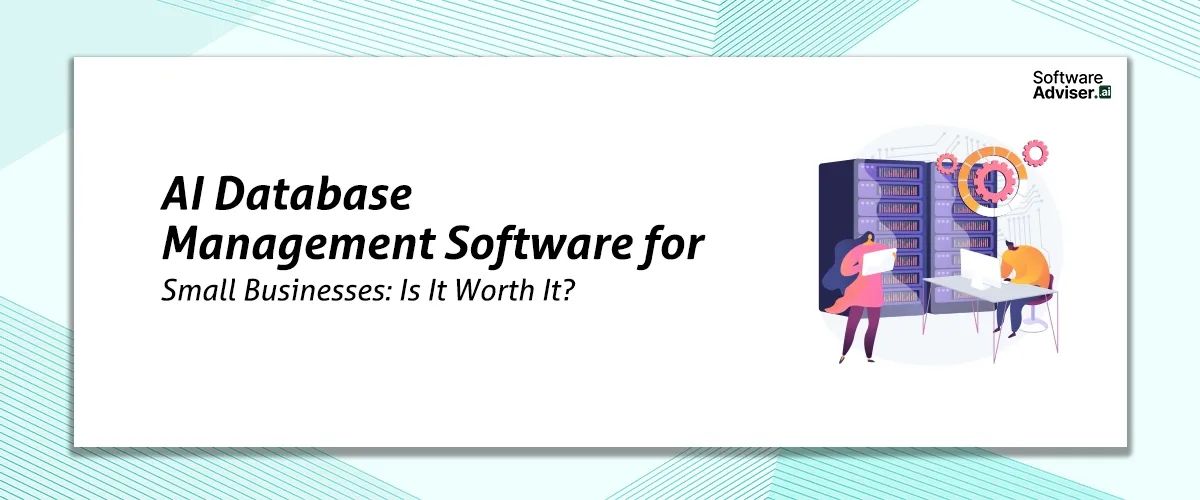
For American small business owners, managing their data can be as challenging as trying to wrestle an octopus in the water. There’s so much informat [...]
David N. Wilks
Talent shortages and compressed margins have pushed US accounting firms into a corner that manual workflows can't solve. The answer most practices are [...]
David N. Wilks
AI capacity planning changes how a team handles day-to-day work. Instead of letting time pass and then making a rough guess, it uses what happened bef [...]