
Best Restaurant Management Software in
Are you looking for Restaurant Management Software for your Business in ? SaaS Adviser brings you the best Restaurant Management Software to ease your worries. In order to make your work smooth and swift, SaaS Adviser has compiled a list of the best software available. Compare the Best software features, pricing, free demo, and trial to select the best Restaurant Management Software for your organization.
 Researched and Written by Nikita Rao
Top 3 Featured Softwares


List of Top Restaurant Management Software
.jpg "Category Image")
Get Free Consultation


Lightspeed POS

POS & Payments Platform
What is Lightspeed POS? Lightspeed POS is a cloud-based lightspeed pos system designed to help retail and hospitality businesses manage sales, inve...
View Profile

Square POS is an advanced mobile point of sale processing solution that helps businesses make POS transactions effortlessly. The software’s major selling point is its ease of use...
View Profile

SumUp
Smart POS systems to grow your business
What is SumUp? SumUp is a global financial technology company that provides simple, affordable payment solutions for small and medium-s...
View Profile

Cake POS is a cloud-based restaurant point of sale system that is ideal for bakeries, eateries, pizzerias, restaurants, and cafes of all types. It features a pleasant interactive U...
View Profile

Toast is a customizable POS system designed for restaurants that want to improve their service, operations, and revenue. The solution brings together online ordering, digital and p...
View Profile

SpotOn is an all-in-one point-of-sale (POS) and business management platform designed to streamline operations for small to medium-sized businesses. Tailored for industries like re...
View Profile

Shopify POS is a POS service that makes it easy for sellers to accept payments from anywhere, whether it's in-store, online, or anywhere in between. This allows businesses and indi...
View Profile
What is TouchBistroTouchBistro is an all-in-one iPad-based point of sale system tailored for restaurants, bars, cafés, and food trucks. It helps streamline order taking, impro...
View Profile

What is HoneyBook? HoneyBook is an all-in-one clientflow management software designed for freelancers, solopreneurs, and small service-based businesses. It helps manage the entire...
View Profile

What is LavuLavu is a restaurant management software that operates as a POS system on iPads. It helps restaurants of all sizes manage orders, track sales, process payments, and...
View Profile
What is HotSchedules? HotSchedules is a main employee scheduling software designed for eating places, retail, and hospitality businesses. It streamlines staff control by means o...
View Profile
Alpha E Barcode POS Solutions
Don't be panic about your Restaurant/FastFood Business, You take the orders and relieve. Alpha is here to help your businessManage your Restaurant, Fast Food store, and Café with Alpha Extreme ERP Software
View Profile

eZee BurrP! - Restaurant POS Software
Fully integrated Intuitive Restaurant POS Software | Restaurant SoftwareeZee BurrP! Restaurant POS Software is unique software for restaurant management and billing purpose. It streamline the chief operations of the restaurants, pubs, bars, night clubs...
View Profile

Focus WMS
Scaleup warehouse efficiency for faster business growthFocus WMS distinguishes itself as a premier WMS system, offering an all-encompassing solution for your warehouse management necessities. Its extensive range of features and capabil...
View Profile

POSist is a cloud-based, end-to-end restaurant management software that helps automate all restaurant-related activities, including inventory, order-taking, billing, and real-time ...
View Profile
RetailGraph is a complete retail and distribution management software designed to streamline operations for small to mid-sized businesses. It offers robust functionalities like...
View Profile

Torqus POS
Restaurant - Billing | Accounting | Reporting | CRM SoftwareTorqus POS comprehensive Point of Sale Restaurant Software for Food Chain outlets, Casual Dine Restaurants, Pubs and bars, Night Clubs, Pizza Chains,Cafes, retailers, Food courts e...
View Profile
Nukkad Shops
By Nukkad Shops
The Nukkad Shops e-commerce solution allows retailers to deploy a hyperlocal mobile app platform with real time inventory. This allows our merchants to take their stores online in ...
View Profile

Poster POS
By Poster POS
Poster POS is an easy-to-use point-of-sale system that is mostly used on tablets. It is designed for food industries and retail businesses and comes with a seamless interface. Over...
View Profile

Vend POS is a cloud-based Point of Sale software that helps retail businesses manage their inventory, process payments, and create a centralised product catalogue. The software com...
View Profile

Table of Content
Running a restaurant in the USA is not solely about serving quality food and quality service—operating efficiently is also essential. The best restaurant management software can help streamline billing, inventory, reservations, staff scheduling, and customer engagement. These systems are usually tailored for any type of foodservice, from restaurants, cafés and bars, and effectively work to streamline operations, reduce errors, and improve the overall dining experience. Whether you operate a small diner, a large multi-chain brand, or something in-between, restaurant management software will help ensure operations run smoothly and customers leave satisfied.
1. Conclusion
Adopting the best restaurant management software, which actually is no longer optional—it is essential, will cut costs and increase customer satisfaction by working on the back office intelligently. It will help them sustain growth. Whether it is a single diner or multi-chain franchise, implementing the right restaurant management system will redefine the way of doing business.
2. Why Does Your Restaurant Need Online Restaurant Management Software?
Looking for the efficiency of the operation of your restaurant? Discover why you need a restaurant management software is a gaming exchanger. Real-time control and visibility with Online Restaurant Management Software. Here’s why it’s indispensable:
1. Simple Scheduling
Automated scheduling functions in the restaurant management System keep schedule conflicts to a minimum and thus enhance work efficacy. Factors like staff availability, time-off requests, and skill levels are considered by smart scheduling modules to help the manager schedule so that there is no understaffing at peak hours or overstaffing when the period is slow.
2. Save Paper And Make Accounting Easy
Less paperwork makes records paperless, easily maintaining accounting through the restaurant management app. This will combine food and beverage costs, labor expenses, and utilities in one dashboard where the manager can keep a close eye on the figures.
3. Reduce Costs And Stay On Budget
Keep track of all expenses at any time using one of the finest restaurant management software so that you do not overspend. The system securely stores invoices, receipts, payroll logs, and sales reports in the cloud, thus simplifying access for financial information and for auditing.
4. Keep on Top of Any Staff Issues
Track attendance and performance, as well as payroll, at your fingertips with the integrated restaurant management tools. Tools such as biometric check-ins, which include real-time performance analytics and digital feedback forms, would help in ensuring that there is ownership and openness.
5. Get Restaurant Supply Orders Right Every Time
A centralized restaurant management software helps prevent ordering too much or missing deliveries. Automatic updating of stock levels on a real-time basis and when to reorder is based on the usage pattern and sales trend.
3. What are the Latest Market Trends In Restaurant Management Software
With the rapid evolution of the food industry, here is how restaurant management solutions are keeping up:
1. Automated Digital Menus and Self-Service Kiosks
Companies are automating processes to cut down on labor costs and errors in the orders by deploying digital menus and kiosks. These tools integrate smoothly into the restaurant management platforms, thereby fast-tracking order processing and reducing time spent waiting. One trend that can be easily spotted is the wide embrace of automated digital menus and self-order kiosks. Such digital kiosks can also, based on the preferences of customers, upsell, hence increasing the average ticket size.
2. Augmented Reality (AR) and Virtual Reality (VR)
Today, restaurant management software can integrate features such as immersive menus and previews of virtual ambiances for appealing to the technophilic consumer base. Small companies have a great advantage of using retail pos software. Restaurants provide an immersive menu preview where diners can visualize the dish before ordering by using AR. In addition, the use of VR showcases virtual ambiance previews to help the customer see around for events or reservations.
3. Robot-Assisted Kitchens
Robotic-run kitchens cut down on human error and time taken for food preparation with automation. They prove to be seamless at the backend when incorporated into restaurant management software. Robot-assisted kitchens redefine the way food is prepared. The global restaurant management software market is projected to grow significantly, reaching USD 26.3 billion by 2032, up from USD 5.7 billion in 2023. This growth represents a robust CAGR of 16.5% from 2024 to 2033. They would reduce the dependency on the chef, ensure the same level of food quality, and speed up the time of preparation.
4. AI-Power
AI would be intertwined with restaurant management systems to predict customer behavior, recommend cross-sell items, and create price optimization models. The AI algorithms study the behavior of customers and predict the peak hours for offering upsell opportunities to individual diners. It also assists in menu optimization and offers dynamic pricing strategies so that restaurants can make the most profit while making customers happier.
5. Hyper-personalized Experiences
Modern restaurant diners are all about personal experience. Using restaurant management software data, special promotions, favored seating, and recommended menu items can be offered. The restaurant management software collects and analyzes data about the customers, thus enabling the establishment to offer promotions, rewards, seating, and menu recommendations based on past visits of the customers.
6. Smart Restaurant Management And IoT
The restaurant management system communicates directly with IoT-connected kitchen equipment and helps to improve operational efficiency while preventing equipment-related failures. The IoT-connected kitchen appliances and devices can speak directly to the restaurant management system. Improving predictive maintenance allows for real-time data exchange that would previously not have been able to happen and downtime that could have occurred because equipment would fail.
7. Eco-friendly Technology
Interestingly, green practices are being helped by restaurant management platforms that monitor energy usage and paper waste, among other operational activities. In addition to tracking energy consumption, it monitors food waste plus going all digital to reduce the usage of paper. Going paperless supports green initiatives while reducing operational costs, laddering down to appeal to environmentally conscious consumers.
8. Online Ordering Platforms
Integrated online ordering software enable spontaneous food distribution of spontaneous food by synchronizing order data in restaurant management software. This combination helps in right kitchen communication, tracking the orders well, and ensuring the delivery experiences for customers are smooth or pickup.
9. Hiring And Scheduling Tech
AI predicts demand and smartly assigns shifts with the help of the advanced scheduling modules in the best restaurant management software. This will further allow the manager to allocate the shifts more effectively, cutting the labor cost and preventing overstaffing or understaffing or improving on any kind of employee satisfaction.
4. What are the Features Of Best Restaurant Management Software?
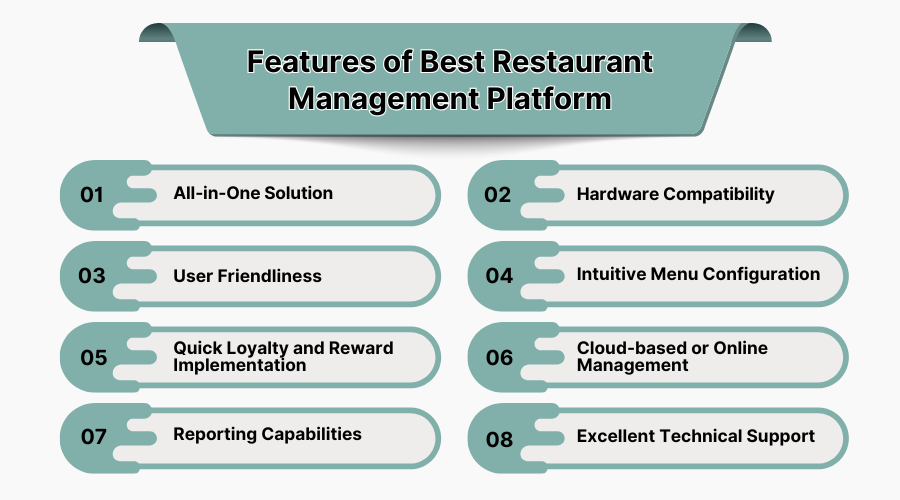 A well-rounded restaurant management platform comes packed with features that ensure smooth operation.
1. All-in-One Solution
The best restaurant management software integrates POS, order tracking, inventory, and customer loyalty in one interface. The top restaurant management software combines POS, order tracking, inventory, and customer loyalty in one interface. This joined approach removes the use of many unattached tools and helps keep sameness across work. With everything in one place, workers can work more quickly and more efficiently.
2. Hardware Compatibility
Whether you use tablets or traditional terminals, the software should support various devices like iPad pos software and printers. It should work with barcode scanners, kitchen display systems, and receipt printers without any disruptions during the hours when the restaurant is very busy. Being able to use different hardware keeps the system able to change with the needs of your restaurant.
3. User-Friendliness
Simple interfaces reduce training time and ensure that employees can quickly adapt to using the Restaurant Management System. Simple arrangements and easy touches help workers manage jobs well, even at busy times. A worker-friendly system cuts mistakes and raises output.
4. Intuitive Menu Configuration
Easily update or change menus at many shops with the restaurant management app for more give. Drag-and-drop editing, real-time updates, and visual modifiers make managing menus easy. Thus, keeping your menus always updated and accurate is no more a struggle concerning season or promotion changes.
5. Quick Loyalty And Reward Implementation
Quick loyalty and reward setup Customer retention becomes simpler with built-in loyalty plans in the restaurant management platform. Built-in loyalty programs in the restaurant management platform help make customer retention process easier.
6. Cloud-based Or Online Management
Cloud-based or Online Control The Restaurant Management Software allows easy entry to sales and stock data, helping flexibility. Set up point-based systems or special offers quickly. It is simple to set up birthday rewards and helps encourage repeat visits to your business by customers, thereby boosting satisfaction and increasing lifetime value.
7. Reporting Capabilities
Detailed analysis of sales, stock, and worker work helps make data-driven choices using the restaurant management tools. Easy-to-read dashboards and exportable reports help to find trends and cut waste to grow profits. Instant insight means better business decisions.
8. Excellent Technical Support
You get support anytime, day or night, so your restaurant management software works smoothly without many hiccups. Look for live chat, email, and phone help with deep documentation and tutorials so that downtime is minimized, and your team’s confidence in using the system is boosted.
5. Five Best Restaurant Management Software in USA
Many top-performing restaurants in the USA use these five standout restaurant management tools:
1. SumUp
Sumup is ideal for small to medium-sized restaurants and is known for its use and strength.
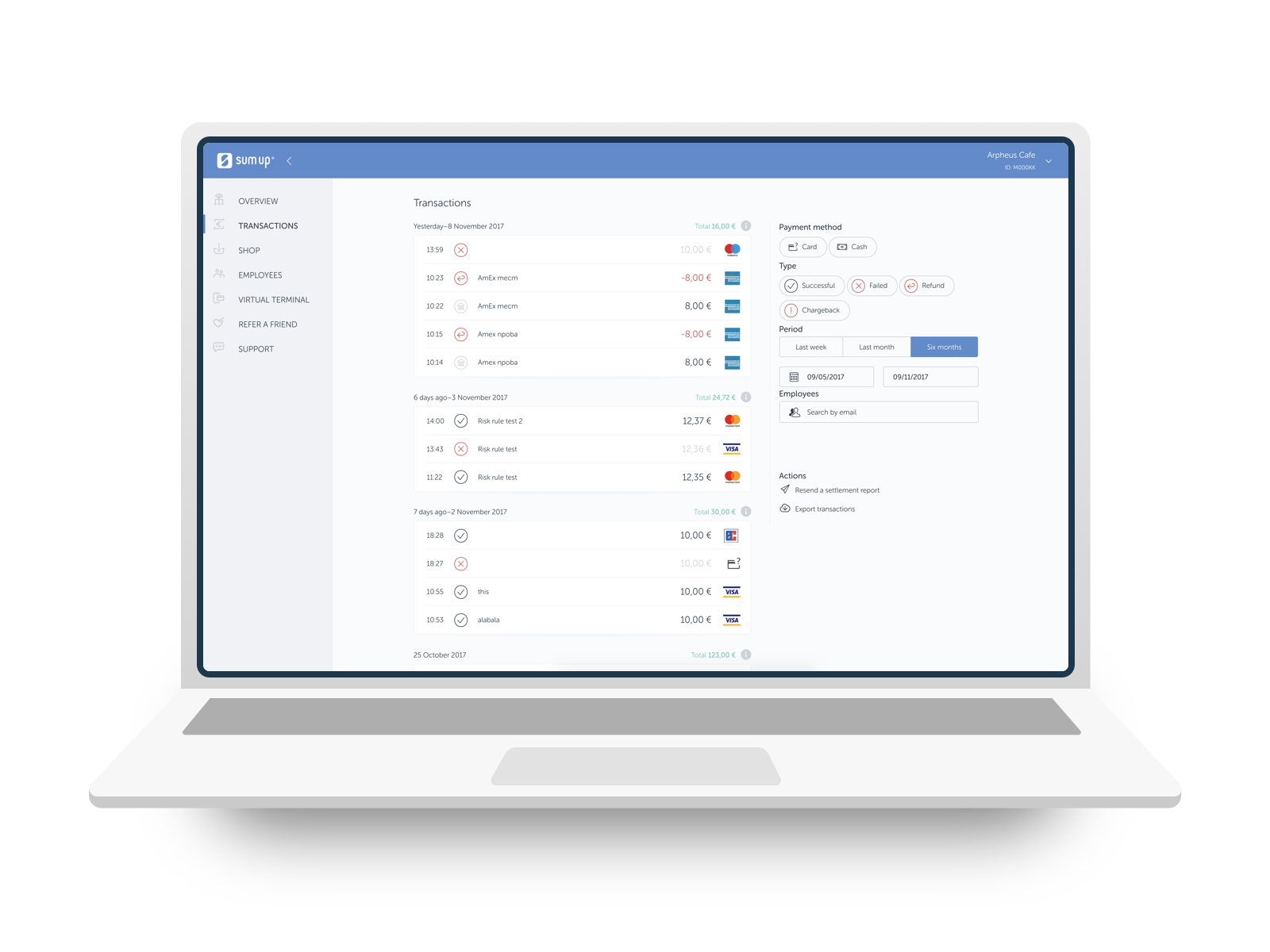 Top Features:
-
Integrated POS
-
Payment Process
-
Inventory Monitoring
-
Reporting Equipment
-
Sales Tracking
Pros:
-
Affordable Price
-
Easy Setup
Cons:
-
Limited adaptation
-
Low third-party integrations
Pricing: Starts at $54; no monthly fee; transaction fee 2.6% + $0.10
2. Toast
Toast is a comprehensive restaurant management software perfect for modern full-service restaurants.
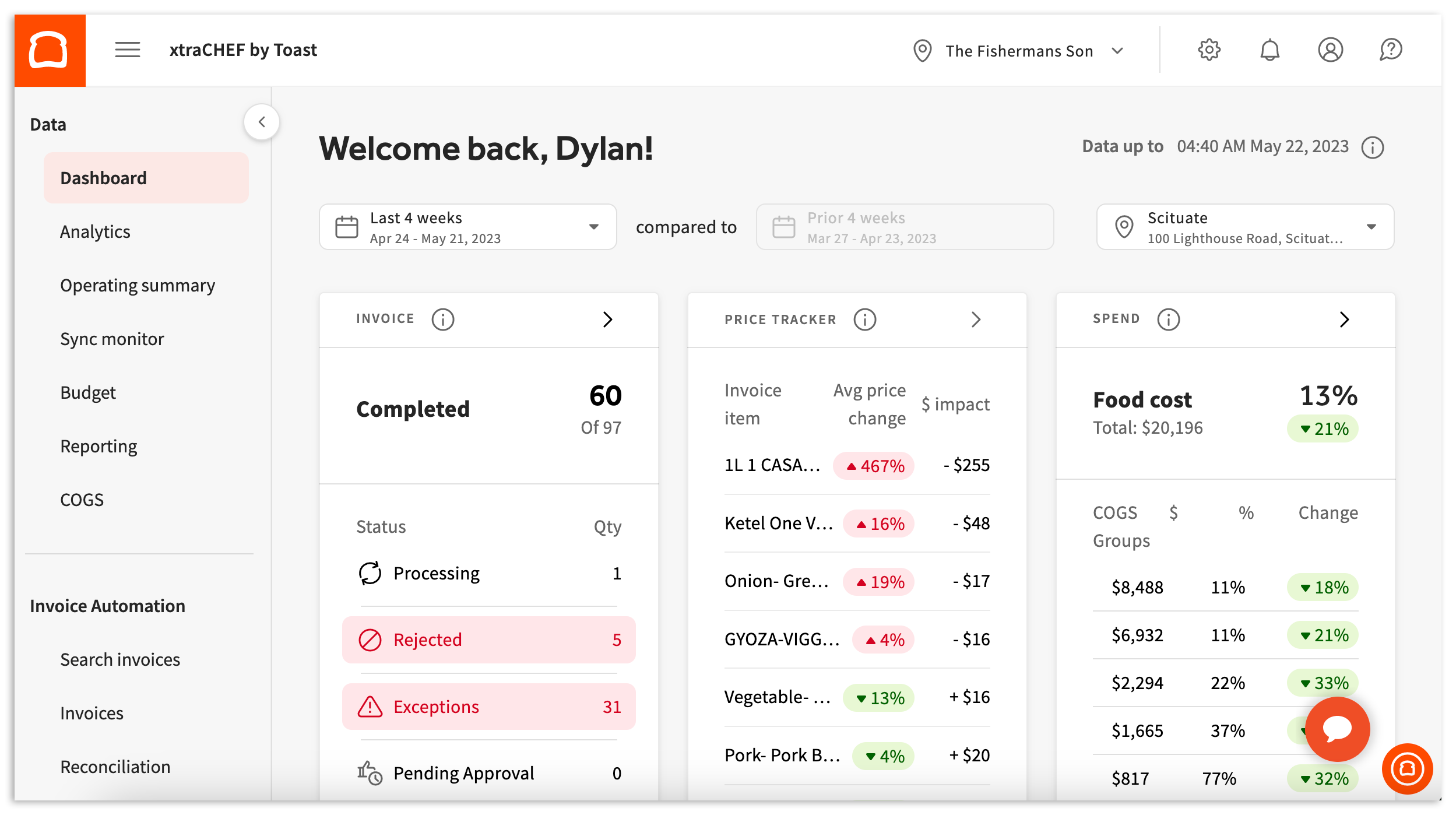 Top Features:
-
Menu management
-
Online ordering
-
Loyalty programs
-
Real-time reports
-
Employee scheduling
Pros:
-
Industry-specific tools
-
Customer support
Cons:
-
Expensive hardware
-
The learning curve for new users
Pricing: Starts at $69/month; basic package $110/month + $4/employee; custom pricing.
3. SpotOn
SpotOn is a versatile restaurant management platform that blends powerful features with ease of use.
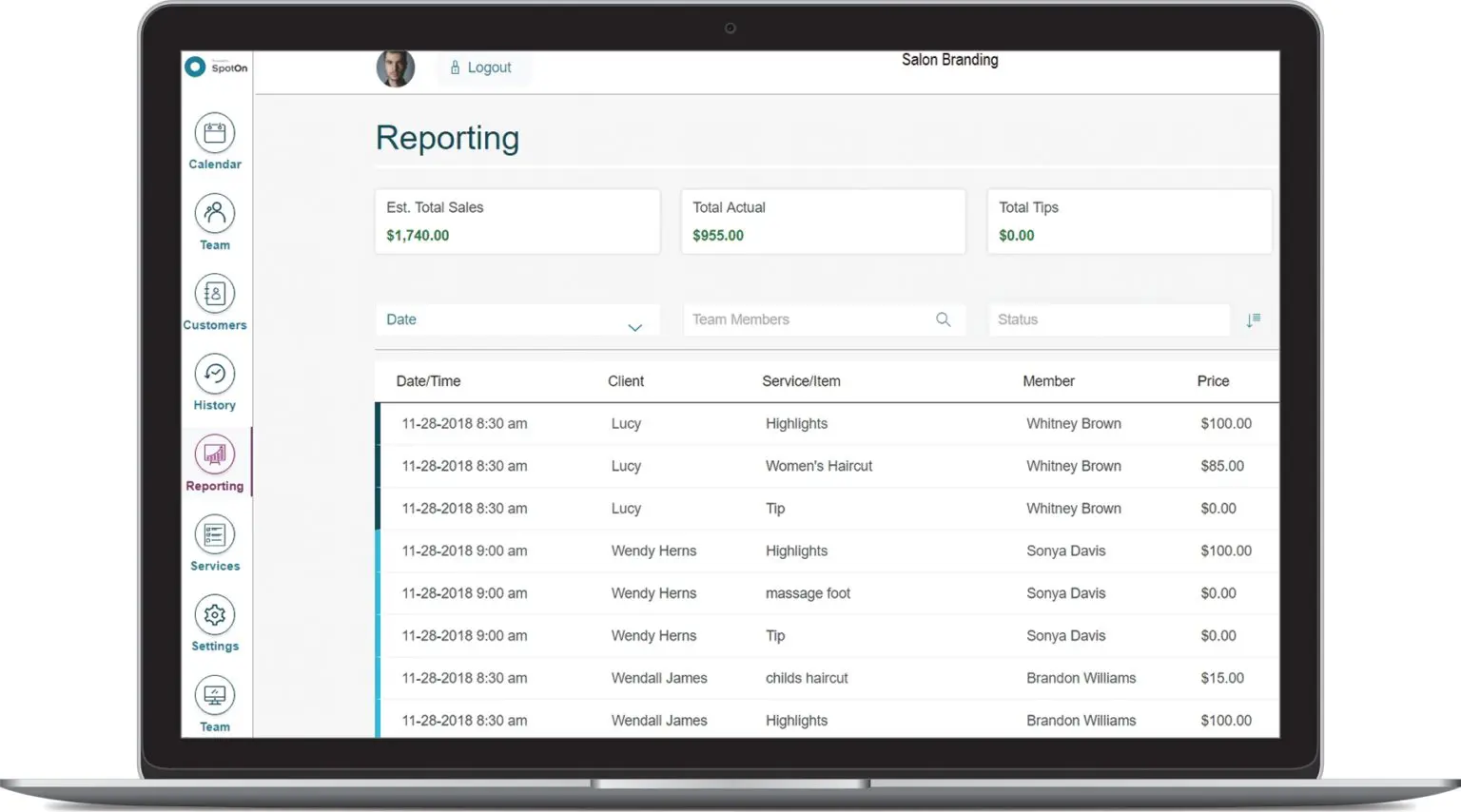 Top Features:
-
Employee management
-
POS integration
-
Inventory tools
-
Marketing automation
-
Review tracking
Pros:
-
Intuitive interface
-
Marketing integration
Cons:
-
Additional costs for add-ons
-
Moderate learning curve
Pricing: Software from $25–$99/month; hardware priced separately; payment processing via SpotOn only.
4. TouchBistro
TouchBistro is a user-friendly restaurant management app that runs entirely on iPads.
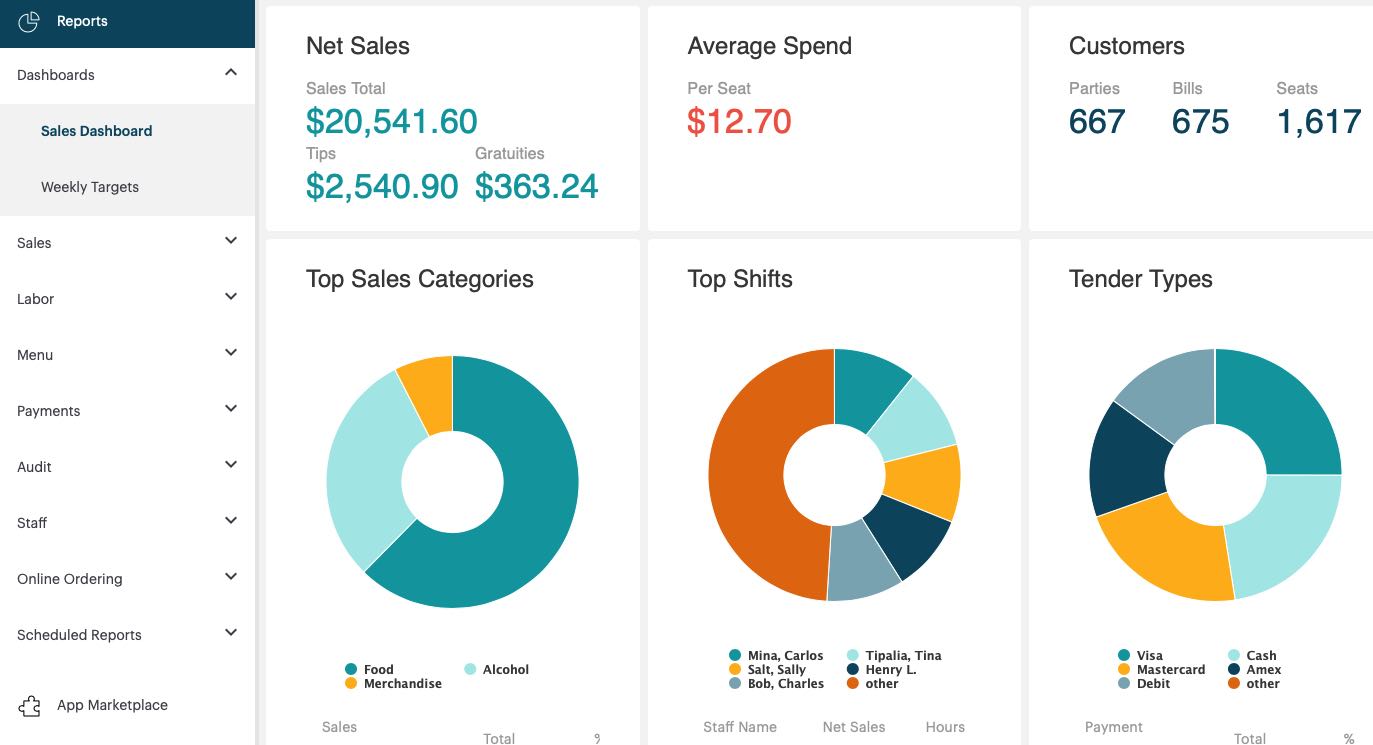 Top Features:
-
Tableside ordering
-
Menu customization
-
Sales analytics
-
Staff scheduling
-
Offline functionality
Pros:
-
iOS-focused simplicity
-
Great for small spaces
Cons:
-
Only compatible with Apple devices
-
Occasional syncing issues
Pricing: Base POS $69/month; add-ons $25–$229/month.
5. Lavu
Lavu offers scalable restaurant management solutions for both quick-service and full-service establishments.
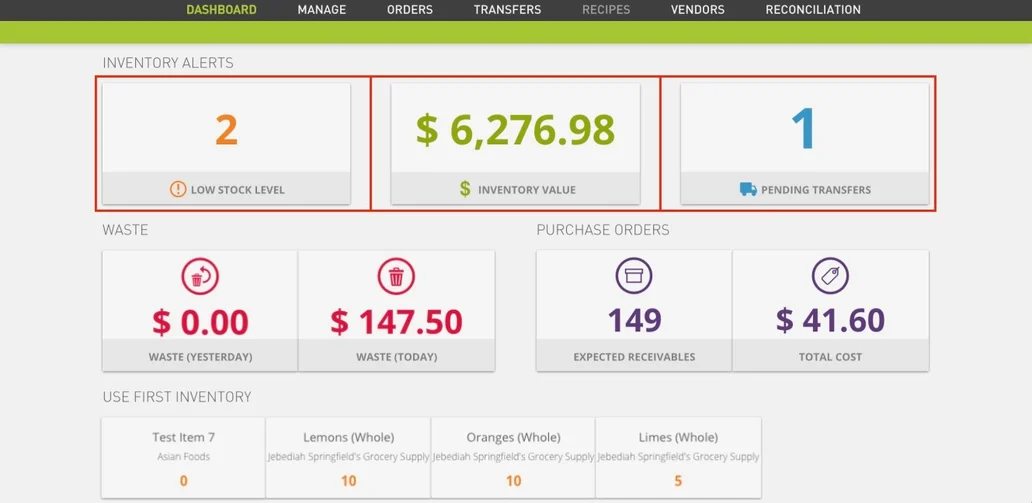
Top Features:
-
Recipe costing
-
Real-time inventory
-
Payment gateway
-
Customer database
-
Tip management
Pros:
-
Robust features
-
Competitive Pricing
Cons:
-
Outdated design
-
Initial setup complexity
Pricing: Starts at $99/month; additional annual fees and custom hardware pricing.
6. What are the Criteria For Selecting The Right Restaurant Management Software?
Affordability ought not to be the only thing to consider when choosing the best restaurant management software. The following constitute a few of the most crucial elements to take into mind when choosing:
1. Functionality
The program should contain all the key restaurant management Tools such as menu management, integrated POS, and order checking.
2. Scalability
The solution should fit the growth of the restaurant's needs, whether it is a single or multiple outlets.
3. Ease Of Use
The simpler the interface, the quicker the training, and the more efficient the operations. Online ordering is now recognized as a crucial component of any strong system for restaurant management due to continual shifts in how consumers behave.
4. Customer Support
It should maintain alacrity to solve any issue within the shortest possible time, hence sustaining service quality.
5. Integration
Chosen software should integrate well with systems like accounting plus Point of Sale programs and Payroll tools.
6. Customization
Look for a Restaurant Management Platform that allows for flexibility in adapting menus, pricing, and reports.
7. What are the Benefits Of Best Restaurant Management Software?
The implementation of the best restaurant management software has benefits for owners, the staff as well as the customers.
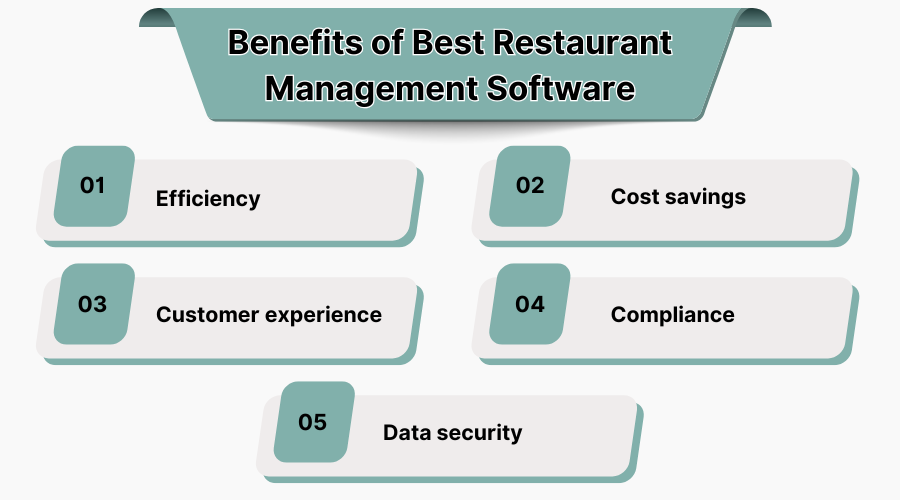
1. Efficiency
A unified restaurant management system would also include provisions for the automation of the tedious task of billing, inventory tracking, and reservations taken. Contemporary catering businesses depend heavily on food delivery software, which enables companies to simplify orders from applications developed by third parties and interface with actual delivery providers.
2. Cost Savings
Proper waste and stock control, alongside reports generated in real time, helps reduce unnecessary expenditures. Restaurant Management Solutions helps you stay within budget and avoid resource misuse.
3. Customer Experience
An integrated Restaurant Management App ensures that the right person serves the right order at the right table and combines this system with a checkout process. Thus, the ability to personalize service, accuracy in order fulfillment, and faster checkouts lead to better satisfaction, followed by higher repeat visits.
4. Compliance
Apart from improving efficiency and reducing operational costs, Restaurant POS software is a crucial part of any digital restaurant setup. Restaurant Management Software also simplifies the tracking of food safety logs, employee certifications, and tax records to ensure compliance with the law.
5. Data Security
Cloud-based restaurant management tools protect highly confidential information from possible attacks by providing frequently scheduled backups and protected data storage.
8. What are the Challenges In Restaurant Management Software?
Challenges that are faced by restaurant management systems, despite numerous benefits:
1. Stock and Inventory Wastage
Without automated tracking, it would be wasteful to manage perishable items. There is no proper integration with restaurant management solutions, which leads to over-ordering or even spoilage. Restaurant management software can help in this by offering real-time inventory tracking, automated reordering, and expiry alerts so that stock is used efficiently, reducing both waste and cost.
2. Demand Forecasting
Since all data is manually handled, it is hard to know busy hours or popular dishes. With the integrated Restaurant management platform, use past data to predict future trends. It will be seen that advanced restaurant management software, coupled with analytics tools, studies historical sales data as well as seasonal trends in peak hours in demand forecasting so that better preparation can be made
3. Stock Theft
Poor tools to watch may miss out on catching employee theft or loss. There should be real-time tracking of stock. Restaurant management software may fail to detect any theft. A reliable restaurant management system shall monitor stock movements and access logs so that any anomaly is easily detected by the managers in quick time. This is viewed from the point of role-based permissions together with audit trails.
4. Managing Stock In Multiple Branches
Places with more than one store need a joined restaurant management system to link inventory and keep sameness at all places. The manual coordination of the stock for those restaurants that have multiple branches becomes difficult to manage uniformly. This can result in stock imbalances as well as duplication of the stocks.
5. Supplier Management
Keeping lists of sellers, when to order from them, and paying them can be too much without a set restaurant management tool. Keeping open channels of communication and accountable performance management among several suppliers is a challenge. It results in delayed supplies, no consistency in quality, and price miscalculations, which disrupt the operation.
6. Employee Management
Manually scheduling shifts, tracking hours, and monitoring performance is very time-consuming. An intelligent restaurant management app will do these tasks for you. Manual handling makes staff scheduling, performance tracking, and payroll time-consuming. Inaccurate staffing levels harm both customer service and labor budgets.
7. Bank Reconciliation
There can be errors if you do the reconciliation of transactions with bank statements manually. Most restaurant management platforms will do it for you by syncing your financial data. Matching financial records with bank statements is a tedious and error-prone process. This can result in delays or discrepancies and impact financial planning and tax filing.
9. What Is Restaurant Management Software?
Restaurant Management Software is a smart site aimed at helping restaurants and managers to automate and simplify their daily work. It joins basic jobs like watching stock, dealing with orders, setting employee schedules, and giving reports all on one screen. As a major part of today's welcome, the Restaurant Management System helps in making better choices and improves how dining feels.
A restaurant management app should help restaurants run their affairs from a distance, cutting out mistakes that come with manual work and making them more productive. In the modern-day world, restaurants that make use of strong restaurant management solutions are better placed to compete because they make the business more efficient, scalable, and centered around the customer.
