
Best Patient Management Software in
Are you looking for Patient Management Software for your Business in ? SaaS Adviser brings you the best Patient Management Software to ease your worries. In order to make your work smooth and swift, SaaS Adviser has compiled a list of the best software available. Compare the Best software features, pricing, free demo, and trial to select the best Patient Management Software for your organization.
 Researched and Written by Akash Patel
Top 3 Featured Softwares


List of Top Patient Management Software
Get Free Consultation


Carepatron

By Carepatron
CarePatron software is a platform that automates workflows by managing client records and video calling. The software offers a Client Portal that allows doctors and patients to acc...
View Profile

athenahealth
Providing care can be simpler
athenahealth is a prominent healthcare technology company headquartered in Boston, Massachusetts. Established in 1997, it specializes in providing cloud-based services to healt...
View Profile

MocDoc HIMS
Complete End to End System for Managing HospitalsWhat is MocDoc HIMS?MocDoc HIMS is a complete Hospital Information Management System designed to streamline medical institution operations digitally. It helps hospitals, clinic...
View Profile

MEDITECH EHR
By Medical Information TechnologyMeditech is a leading healthcare information system (HIS) software designed to streamline hospital and clinical operations through digital integration. It helps medical profess...
View Profile

ClinSav
My Clinic In My PocketThe only Clinic Management App in the World… that allows doctors to keep their patient data in their own device! ClinSav is the most powerful clinic management solution that help...
View Profile
_mid.png "Win Apps Hospital Management System")
Win Apps Hospital Management System
Software BY WinApps Softwae SolutionsWin apps Hospital management software does it smoothly for you. Our hospital management software is one true Hospital management software that monitors everything from staff detail...
View Profile

SkyVF - Hospital Management Software
Hospital ERP SystemSkyVF is Hospital ERP that is built for clinic, hospital & IVF management. Developed by a team of experienced doctors & IT Experts who came up with the best HMS system ever...
View Profile
NextGen Healthcare EHR
By NextGen Healthcare EHR
NextGen Healthcare EHR is a cloud-based platform that integrates a specialty-specific EHR, patient portal and revenue-cycle management system. This platform is designed to improve ...
View Profile
Qmarks Pathology Lab Software
Online | Offline With Sync Facility & Mobile APPA comprehensive and ultimate Pathology Lab Management and Reporting Software. Fully customizable, easy-to-use, and cost-effective program that gives you the advantage to operate yo...
View Profile

Ensora Health
We’re Ensora Health. Our software and services can help you turn administrative noise into a beautiful harmony.
Ensora Health is a robust cloud-based healthcare platform designed to streamline clinical, administrative, and financial workflows for mental, behavioral, and rehabilitative he...
View Profile

RXNT
Manage your practice's clinical and financial workflows, seamlessly
RXNT is a comprehensive, cloud-based healthcare software solution designed to streamline clinical and administrative workflows for medical practices of all sizes. Established i...
View Profile
_mid.png "Praxify")
Praxify
Software BY Xtremum Solutions Pvt LtdPraxify Emr and clinic management software will assist you to improve EMR and medical billing service. It has practice management software which is one of the most important featur...
View Profile
Amrita Health Information System
Best Hospital Management Software
Amrita HIS is a J2EE and cloud-based product suite, Java Enterprise Edition based easily integrated, one-stop solution for the healthcare industry. Amrita HIS is the proven HIS sui...
View Profile

AdvancedMD EHR
By AdvancedMDCheck How AdvancedMD EHR can help to automate Indian Business. SaaSAdviser provide their list of features, pricing, Free demo and Comparison with the best alternative
View Profile

Practice Fusion is an EHR (Electronic Health Record) software that lowers the burden of administrative work for independent medical practitioners. It connects physicians, patients ...
View Profile

CureMD EHR
By CureMD EHR
CureMD's innovative cloud-based Electronic Health Record enables you to connect to all your favorite labs, send orders and receive results electronically, and automatically exchang...
View Profile

Allscripts EHR
By Allscripts EHR
Allscripts EHR is a record-keeping software that allows hospitals, health clinics and health professionals to keep their patients’ records electronically. With the help of these ...
View Profile
eClinicalWorks
By eClinicalWorks
A practice management and electronic health record (EHR) solution called ClinicalWorks offers technology for each stage of patient care delivery. Clinicians have access to services...
View Profile
CareCloud Charts
By CareCloud Charts
Get all of the tools you need to deliver better patient care – from managing patient flow to ePrescribing – with a complete certified EHR. Charts, EHR software, also integrates...
View Profile

It has MyChart as a tool that provides patients with portals. Patients can access information about their health in no time by using MyChart. Furthermore, the software can be used ...
View Profile

Table of Content
What is Patient Management Software?
Patient Management Software is the main technology behind your healthcare practice. It’s meant to support you in scheduling patient visits, maintaining electronic health records, handling billing, following up and allowing patients to check in online. Most platforms also include a Patient Portal Software, so your patients can book appointments, view lab results, and communicate with your office-anytime, from anywhere. In short, it’s the system that keeps your operations smooth, your data accurate, and your patients happy.
1. Conclusion
The right Patient Management Software can help you improve your practice’s efficiency and the care you give to patients. Paying attention to scheduling, custom templates, automatic reminders and secure document management will help you find a system that suits your business and makes work easier each day. Purchasing the right Patient Management System leads to both time savings and better patient satisfaction and compliance.
At SaaS Adviser, we help you compare and choose the best patient management platform for your business. Start your search today and make healthcare management easier and smarter.
2. Related Article Of Patient Management Software
3. Latest Market Trends in Patient Management Software

1. Mobile-Friendly Services
With everything moving so fast now, patients want to be able to use their mobile devices to access healthcare services. Using mobile-friendly patient management platforms, patients can schedule appointments, have consultations by phone or video and review their medical records on their phones. This change boosts patient involvement and also makes things simpler for providers in the office.
2. Increased Focus on Patient Experience
Healthcare providers put more focus on giving the best patient experiences possible. The use of patient management system software allows practices to give the right communication, follow-ups, and also be quick in service delivery. A report by Press Ganey that is based on data from 6.5 million patient visits proves how important closing the gaps in patient care journeys is for raising overall satisfaction.
3. Smart Device Integration
The incorporation of smart devices, like wearables and remote monitoring tools, into patient management solutions allows for real-time tracking health conditions and administrating proactive care. This simply means easier disease management and better patient involvement. The global market for smart medical devices is set to reach $67.4 billion by 2030 according to increased adoption.
4. Patient Portals
Nowadays, patient portals are common in healthcare, allowing patients to safely view their medical records, test results and talk with their healthcare team. In 2022, most individuals across the country said they were given access to their medical records online by their healthcare provider or insurer.
5. Increased Use of Digital Assistants
Routine tasks that can be automated by the digital assistants include reminders for appointments and contacting patients. This helps in running the operations more effectively. Companies like Hinge Health are using tools based on artificial intelligence to cut down on clinician hours while enhancing the delivery of care on patients hoping to expand into more healthcare specialties.
4. How to Choose The Right Patient Management Software
Here are the key features to focus on when making your choice:
-
Scheduling
Reliable scheduling is a must. Look for a Patient Management System that has an easy calendar, real-time updating, and can manage multiple providers or locations. Sync it up with something like Google Calendar or Outlook to keep your team on point and avoid scheduling errors.
-
Templates
Customizable templates for notes, intake forms, and other routine work are, thus, some of the things that one should look out for in the right software. It maintains consistency in your documentation, saves time, and minimizes mistakes, especially in handling repetitive workflows.
-
Reminders
Automated reminders will largely minimize the number of no-shows. An ideal system can remind through text, email, or telephone, allowing patients to even confirm or reschedule without calling.
-
Document Management and Record-Keeping
Your software should make it easy to store and retrieve medical records, lab results, insurance forms, and other key documents securely. Strong search tools and HIPAA-compliant storage are essential for quick access and proper handling of patient information.
5. Challenges in Best Patient Management Software
Managing patients efficiently sounds simple-until you face the real-world challenges that come with choosing the best patient management software.
-
Interoperability
One of the biggest problems with patient management solutions is getting different systems to interact. Many hospitals and clinics rely on different tools such as telemedicine software and lab systems, that are not able to communicate with each other. Because of this disconnect, there are delays, more manual tasks and frustration for everyone involved.
-
Data Integration Complexity
Bringing all patient appointments, history, billing, and more-into one patient management platform can be a headache. Data often comes from different sources and formats, which makes integration complex. Without proper syncing, you risk errors or missed information.
-
Privacy and Security Concerns
Your patients trust you with sensitive health information. That’s why privacy and data security are non-negotiable. But even the best patient management tool can be vulnerable if not updated regularly or if it lacks strong encryption. HIPAA compliance and cybersecurity threats remain top concerns.
-
Cost of Implementation
Adding, a new patient management solution a huge bang to the wallet not only for the item but also for the other additional hardware and periodic requirements of upgrading and servicing. Thus, even if the returns are known, it is still a struggle for the small to medium-sized practices to justify this upfront investment.
-
User Adoption and Training
Even the most advanced patient management platform won’t help if your staff isn’t using it properly. Many healthcare teams find new tools overwhelming at first. Without the right training, the system can slow things down instead of streamlining the process.
-
Workflow Optimization
Every practice has its own flow.The problem is how to personalize the patient management tool to your workflow without getting more tangled up in things. Poorly optimized systems are associated with inefficiency and burnout for staff.
-
Regulatory Compliance
Healthcare regulations like HIPAA are constantly evolving. Your telemedicine software or patient management solution must be compliant, or you could face heavy penalties. Keeping up with these changes adds another layer of stress for already-busy providers.
6. Types of Patient Management Software
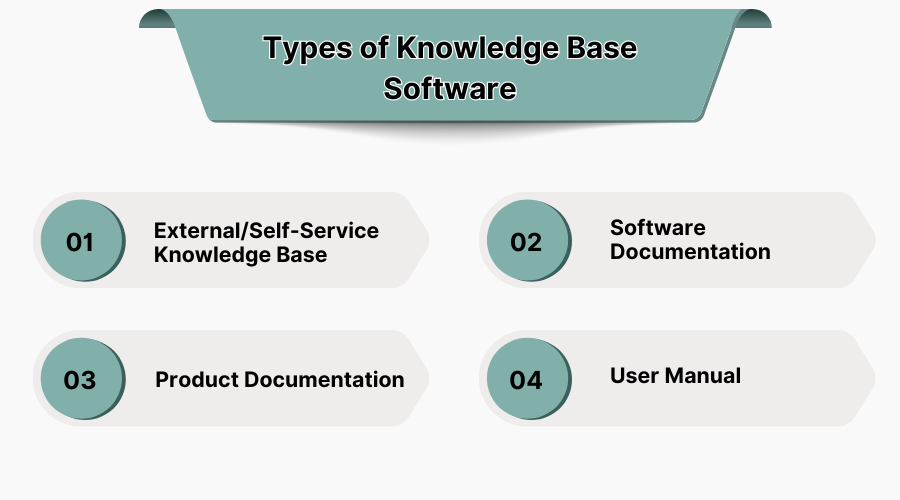
Before choosing the right fit, it’s helpful to understand the varying types available. Each one of them handles a specific piece of the patient care puzzle. Here they are.
-
Appointment Scheduling Systems
This is where most software begins. Patient scheduling software makes the front desk easily able to manage appointments. It decreases no-shows, allows for online booking, and maintains an organized calendar for both patients and staff so that they stay on track.
-
Patient Intake Solutions
These systems handle the paperwork before a patient even walks through your door. They streamline forms, insurance details, and health histories—saving time for both patients and staff. When integrated with your medical practice management software, they help keep records clean and compliant.
-
Billing and Payment Systems
No more juggling invoices or chasing down payments. These tools automate billing, verify insurance, and even offer payment plans. They’re a must-have for clinics looking to reduce errors and improve revenue flow.
-
Electronic Health Record (EHR) Integration
Good patient management system software should seamlessly sync with your EHR. This way, all clinical and administrative data stays together, making it easy to provide accurate and up-to-date care.
-
Telehealth and Communication Tools
Telehealth tools have become necessary with the increasing dependence on virtual care. Such systems may allow you to provide remote consultations, share lab results in a safe manner, keep open lines of communication, especially for follow-up and urgent care.
-
Patient Feedback and Surveys
Want to improve patient satisfaction? Feedback tools collect insights through post-visit surveys and review requests. This helps you spot gaps and improve your service. When paired with patient engagement software, you can turn feedback into real improvements.
-
Marketing and Engagement Platforms
These platforms go beyond care—they help grow your practice. From automated email campaigns to targeted reminders, they keep patients informed and engaged. A key component for clinics looking to scale or build loyalty.
7. Features of Best Patient Management Software
So what’s the best way to shop for Patient Management Software? Is it only an appointment management tool or does it run a practice more efficiently? Well, here is what your ideal platform should offer.
-
Appointment Diary
A digital appointment diary that manages your schedule without the need for sticky notes. It presents an easy, color-coded view of your day, week, or month helps keep your staff organized and minimizes double bookings.
-
Online Booking
Today’s patient expects convenience like online booking that allows them to schedule appointments at any time, even after your working hours. This completely enhances patient experience as your front desk can be available for more important tasks.
-
Billing and Invoicing
A good Patient Management System should handle billing without the headaches. Look for tools that support insurance claims, track outstanding payments, and send automated invoices—so you get paid faster and with fewer errors.
-
Online Prescriptions
Sending prescriptions directly to the pharmacy through the platform saves time and improves safety. It reduces paper use and helps ensure your patients get their medications without unnecessary delays.
-
Reporting and Analytics
Want to grow your practice? The best platforms come with reporting and analytics tools that show you what’s working and what’s not. From revenue trends to appointment history, insights like these can guide better business decisions.
-
Secure Patient Records
Keeping patient data safe is non-negotiable. Top-rated medical practice management software includes secure storage with encryption and access controls—ensuring HIPAA compliance and peace of mind for both you and your patients.
-
Video Consultations
Virtual care isn’t a trend but is present and is going nowhere. You can stretch your services outside clinic walls using video consultations, making both you and your patients flexible. It’s especially useful for follow-ups, chronic care, or quick check-ins.
8. Five Patient Management Software In USA
Here are five top patient management platforms used widely across the USA, each offering unique features to support your practice’s needs.
1. ClickUp
ClickUp is a highly customizable productivity and project management platform that healthcare providers use to streamline internal workflows, task assignments, and document sharing. While not built solely for healthcare, it works well as a flexible patient management tool when tailored properly. ClickUp helps healthcare teams centralize communication, assign roles, track progress on patient-related tasks, and collaborate in real-time. It’s ideal for practices looking to improve coordination and internal efficiency.
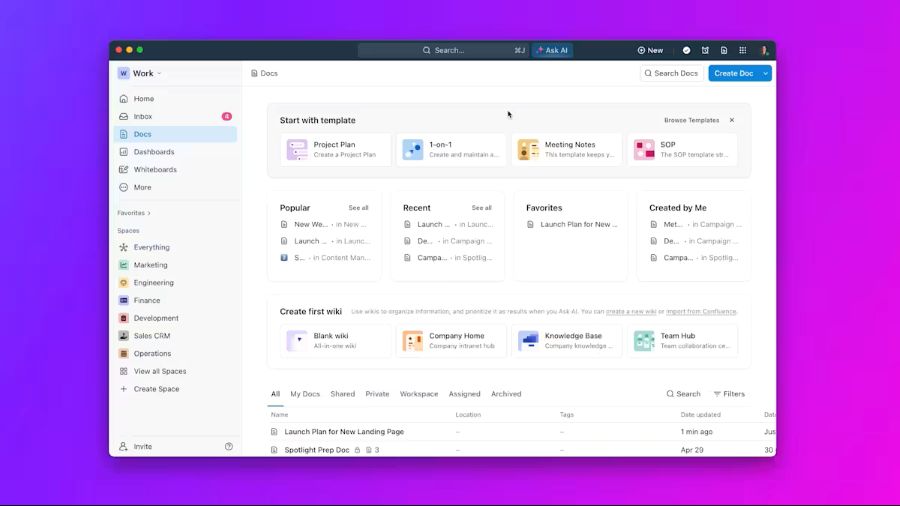
Features:
-
Task & checklist management
-
Custom dashboards
-
Document collaboration
-
Time tracking
-
Workflow automation
Pros:
-
Extremely flexible and scalable
-
Affordable for small to mid-sized clinics
Cons:
-
Not healthcare-specific (needs customization)
-
Can feel overwhelming at first
Pricing: Free plan available; paid plans start at $7/user/month.
2. Salesforce
Salesforce Health Cloud is a robust patient management system software designed specifically for the healthcare industry. It shows a 360-degree look of the patient journey— from when the schedule is made and case is managed to post-visit follow-up. With good CRM ability, Salesforce helps providers give personal care, better outreach, and plan work between departments. It is one of the most powerful patient management solutions available for big practices.
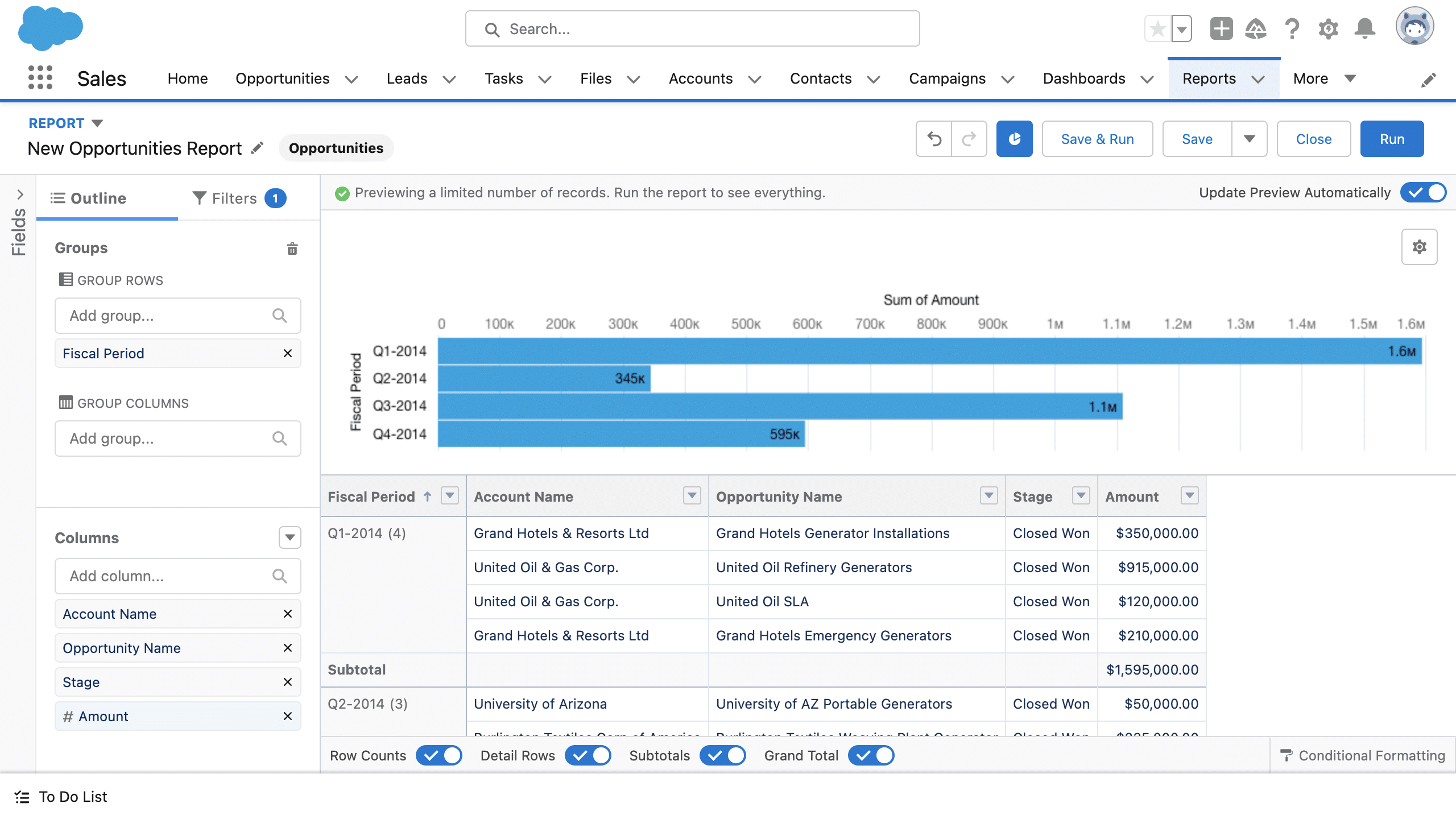
Features:
-
Unified patient profiles
-
Care team collaboration
-
Integration with EHRs
-
Advanced analytics
-
HIPAA-compliant cloud storage
Pros:
-
Highly customizable with strong integration support
-
Built-in analytics for care insights
Cons:
-
Expensive for small practices
-
Requires IT support for setup
Pricing: Starts at $300/user/month (Health Cloud license).
3. eClinicalWorks
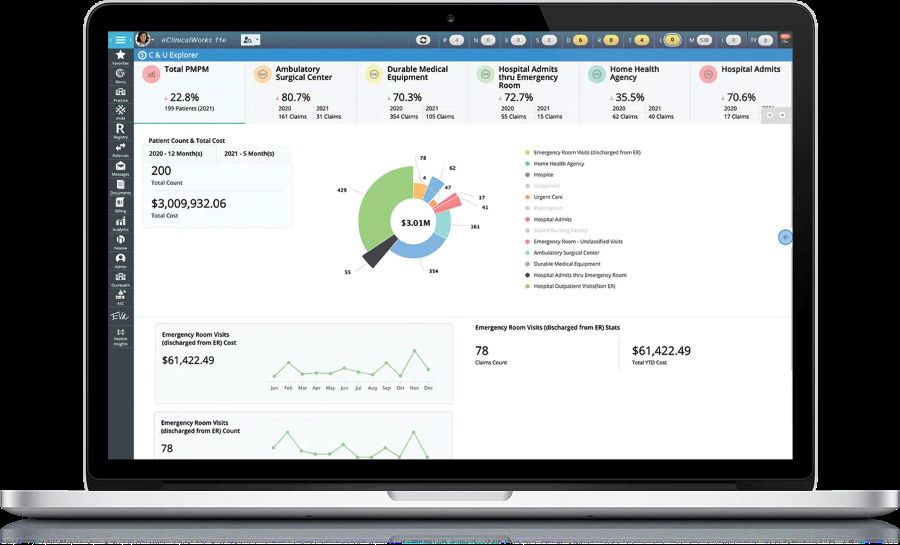
eClinicalWorks is a well-known Best Patient Management Software offering a fully integrated platform that combines scheduling, EHR, revenue cycle management, and patient engagement in one place. It’s designed for practices that want a complete, end-to-end patient management system without relying on multiple vendors. It also supports telehealth, chronic care, and population health management.
Features:
-
Appointment scheduling
-
Telehealth support
-
EHR integration
-
Patient engagement tools
-
Billing and invoicing
Pros:
-
All-in-one platform for small and large practices
-
Strong support for compliance and documentation
Cons:
-
Interface can be unintuitive
-
Setup and migration take time
Pricing: Contact sales or visit website for detailed pricing
4. athenaOne
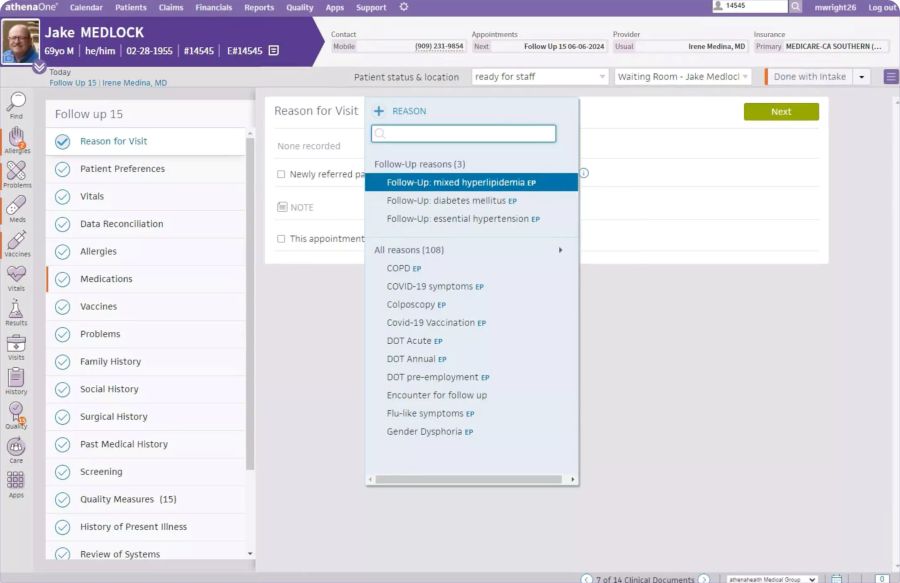
athenaOne operates as a web-based program for patient management, integrating within a single system the EHR, medical billing, and patient engagement applications. It is fairly popular in the United States because of its easy accessibility and the fact that it comes with some degree of workflow automation. AthenaOne automates repetitive tasks and helps improve revenue cycle performance. It’s great for practices that want a clean interface with powerful features under the hood.
Features:
-
Appointment calendar
-
Real-time claims tracking
-
Integrated patient portal
-
Analytics and reporting
-
E-prescribing
Pros:
-
User-friendly interface
-
Strong customer support and training
Cons:
-
Limited customization
-
Reporting tools could be more advanced
Pricing: Starts at 4%–8% of monthly collections (percentage-based model).
5. DocPulse
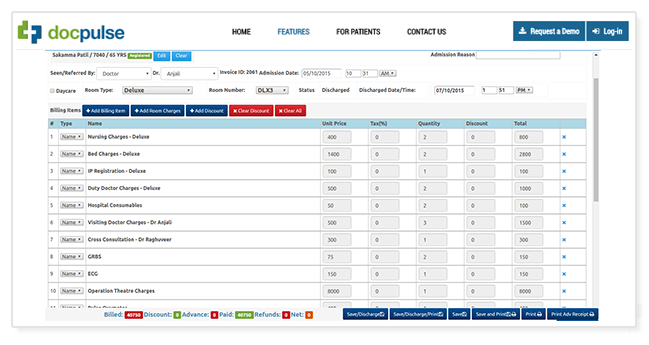
DocPulse is an emerging patient management system software focused on clinics, hospitals, and telehealth providers. It offers tools for appointments, prescriptions, lab reports, and more—all in one platform. DocPulse provides a lightweight, affordable option for clinics that need all the essential features of a patient management tool without the bulk or complexity of enterprise solutions.
Features:
-
Online appointment booking
-
E-prescriptions
-
Digital patient records
-
SMS/email reminders
-
Lab and pharmacy integrations
Pros:
-
Easy to set up and use
-
Budget-friendly for small clinics
Cons:
-
Limited third-party integrations
-
Less known compared to U.S. giants
Pricing: visit website for detailed pricing.
9. Benefits of the Best Patient Management Software

From check-in to follow-up, the Best Patient Management Software in USA keeps your workflow clean and your patients even cleaner. Here’s how the right patient management software can make a real difference in your daily operations:
1. Improved Patient Care
Your team can make better decisions and make them faster by having quicker access to patient histories, prescriptions, and diagnostic reports. Less shuffling of papers, more caring for patients.
2. Enhanced Efficiency
Automated appointment scheduling, digital records, and faster billing do make everything flow smoother. With less effort, you get more done and much shorter wait times for and happier patients.
3. Better Data Management
Forget the filing cabinets. A robust patient management system stores all your critical patient data in one secure, searchable platform—making your practice more organized and audit-ready.
4. Increased Patient Engagement
Patients can view reports, schedule visits, and message your team at any time through built-in patient engagement software or a patient portal. That means more involved in their care, and better outcomes.
5. Cost Savings
By cutting down on administrative overhead and reducing errors, the system pays for itself. Plus, you'll see fewer no-shows with automated reminders and follow-ups.
6. Compliance and Security
The best systems are HIPAA-compliant, keeping you on the right side of regulations and ensuring your patients’ sensitive data stays safe and encrypted.
7. Improved Workflow
Everyone from the front desk to the back office is working on the same page. Real-time updates, task automation, and role-based access reduce the time your staff spends coordinating and increase the time spent delivering quality care.
