
Best Institute management software in
Are you looking for Institute management software for your Business in ? SaaS Adviser brings you the best Institute management software to ease your worries. In order to make your work smooth and swift, SaaS Adviser has compiled a list of the best software available. Compare the Best software features, pricing, free demo, and trial to select the best Institute management software for your organization.
 Researched and Written by Akash Patel
Top 3 Featured Softwares


List of Top Institute management software

Get Free Consultation


GradeLink is a student information management software that helps schools to optimize their operation, reduce policy implementation time, and enhance enrollment levels. School admi...
View Profile

PowerSchool is a software that consolidates everything into one ecosystem that functions differently. The technology is unified at every stage, from back-office to classroom to hom...
View Profile

TUIO
By TUIO PaymentsCheck How TUIO can help to automate Indian Business. SaaSAdviser provide their list of features, pricing, Free demo and Comparison with the best alternative
View Profile

Classe 365 is a cloud-based student information system (SIS) and learning management software (LMS) that is ideal for educational organizations. It combines the features of an LMS ...
View Profile

ClassLink

By ClassLink
ClassLink is an all-in-one school management platform that provides an overview of access, statistics, and identity management. It enables you to save time and automate your school...
View Profile

Ellucian's school management or administration software comes with many features that support higher education and admissions. Users of this software can manage a pool of applicati...
View Profile

Fedena is a school management software that comes richly featured with almost all essential school administration features, which can help automating and organizing college and sch...
View Profile

HDSchool
A complete School Management System
HDSchool is a complete software that automates the day-to-day activities of educational institutions. Easily control admissions, fees, students, fees with a lucrative parent app.
View Profile

Campus 365
Cloud-based School Management Platform
Controlling the operations of a school can be a hard job as a lot of activities happen altogether. In such a situation, School 365 is your answer to your problem as it gives you th...
View Profile

CampSteer
A web-based Campus Management ERP productA web-based ERP product wrapping all aspects of management and operations of educational institutions. It assists to keep a track of all the campuses without the need for additiona...
View Profile

Edvance
By Edvance SoftwareCheck How Edvance can help to automate Indian Business. SaaSAdviser provide their list of features, pricing, Free demo and Comparison with the best alternative
View Profile

Campus Cafe
By Campus CafeCheck How Campus Cafe can help to automate Indian Business. SaaSAdviser provide their list of features, pricing, Free demo and Comparison with the best alternative
View Profile

Sawyer Tools
By Sawyer Tools
Sawyer Tools was created by parents and educators to make children's activities more accessible. With mobile responsive design, seamless integration into your website, and a user-f...
View Profile

With FreshSchools, school management for K-12 academic institutes is easier than ever before! This software tool ensures easy communication between teachers and parents and keeps e...
View Profile

ParentLocker
By ParentLocker
ParentLocker offers a robust online platform for parents and educators to streamline various aspects of school management. The software provides several useful features, including ...
View Profile

Classter
By Classter
Classter is an all-in-one school management system that is suitable for kindergarten to high school administration. It facilitates class registration, pre-registration, graduation,...
View Profile

PraxiSchool
By PraxiSchool
PraxiSchool is a cloud-based school administration software that is designed to be intuitive so that most actions can be completed in one or two clicks. You can create custom filte...
View Profile

Alma is a cloud-based software that is best suited for all business sizes and offers solutions to the education industry. Alma enhances school operations, encourages better student...
View Profile

Blackbaud Tuition Management
By Blackbaud Tuition Management
As tuition payments are the lifeblood of any school, it is essential for the organization to find an intuitive and reliable tuition management software to support its growth. The B...
View Profile

Brightwheel is an innovative Child Care Management Software solution that lets users manage attendance, enrollment, learning plans, billing, and parent communication. It is easy to...
View Profile

Table of Content
What is Institute Management Software?
It refers to a digital platform as streamlined and automatically to administrative and educational purposes of educational institutions. Whether for schools, colleges, or fitness centers, this software integrates various tasks such as registration, participation, communication, financial management, and tracking of educational results, all integrated into a centralized system. The goal is to improve efficiency, communication, and making decisions for staff, students, and parents.
1. How Much Does Institute Management System Cost?
The cost of institute management software and system usually varies from $ 60 to $ 250 per month, depending on the size of the institution, the number of users, and selected features. The solution at the venture level can cost more with custom integration. Many suppliers offer free testing or basic versions for small outfits. Information on the estimated market growth in institute management software, especially in $ 1724 $ 17.09 billion up to $ 40.22 billion by 2029.
2. Latest Market Trends in Institute Management Software
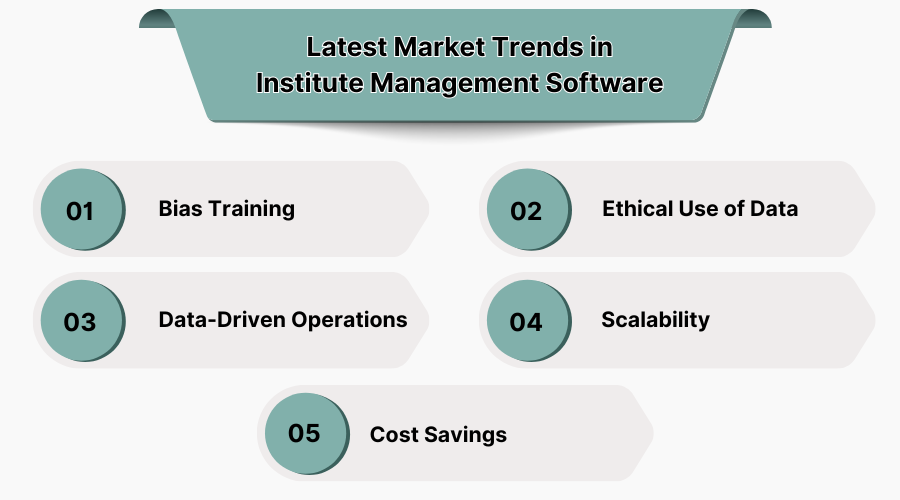
1) Bias Training
As educational institutions adopt AI-driven technologies, there's growing emphasis on ethical use and fairness. Institute Management Software & System providers are beginning to incorporate bias training protocols to ensure algorithms do not unintentionally disadvantage any student group. This involves refining automated assessments, analytics, and admissions tools to be more transparent, inclusive, and equitable.
2) Ethical Use of Data
With increasing digitalization in education, institutions are placing a strong focus on responsible data practices. Modern Institute Management System platforms are built with compliance in mind, adhering to regulations like GDPR and FERPA. These systems prioritize transparency, informed consent, and restricted access to ensure student information is collected, stored, and shared ethically.
3) Data-Driven Operations
Educational institutions have had a rapid advantage of analytics to inform strategic decisions. Through the Institute Management software, schools and colleges gain access to real-time dashboards and historical data that help with an educational plan, tracking of student performance, and adapted resource allocation. This shift enables more proactive intervention and evidence-based policy-making.
4) Scalability
As institutions grow or expand across regions, their administrative tools must grow with them. Cloud-native Institute Management Software & System platforms offer seamless scalability, enabling centralized control across multiple campuses. This ensures consistent operations, standardized data handling, and flexibility to support future expansion without system overhauls.
5) Cost Savings
Institutions are aimed at automation and cloud-based solutions to cut fast operating expenses. A good working institutional management system reduces the need for physical infrastructure and manual workload. Over time, it leads to better returns on low administrative costs, streamlined processes, and investments for institutions of all sizes.
3. Benefits of Best Institute Management Software & System
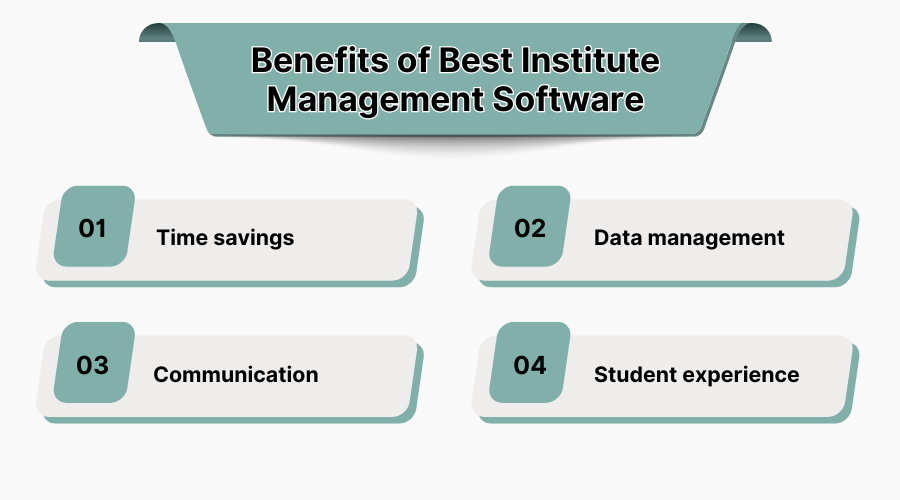
The benefits of using the institute management software are:
1) Time Savings
Automation plays a vital role in reducing manual workload across departments. By streamlining tasks like attendance tracking, report generation, and fee processing, staff can redirect their time toward more meaningful academic or strategic responsibilities. Colleges have great advantages from the Postsecondary College Management software that simplifies multi-division operations and academic plans. This increased efficiency leads to smoother daily operations and quicker turnaround on essential processes.
2) Data Management
Having a centralized and organized data system is essential for maintaining accuracy and accessibility. Whether it's student records, staff information, or academic performance, secure data storage allows for quick retrieval and minimal risk of errors. Efficient data handling supports better planning, reporting, and compliance across the institution. Managing of daily functions becomes comfortable when schools use school administration software with academic tools.
3) Communication
Effective communication tools are essential for building a connected academic environment. The best platform, which enables real-time updates between students and parents, provides the built-in messages, email integration, and SMS alerts. This not only promotes transparency but also reduces misunderstanding and delay in sharing information.
4) Student Experience
A well-designed digital environment gives students the right to control learning. When they can easily reach the schedule, submit the courses, and monitor their educational results, it creates a more attractive and productive experience. The right system also supports personalized learning paths and better time management.
4. Challenges in Institute Management System
Despite its benefits, implementing an Institute Management Software & System may present certain challenges:
1) Data Security
Protection of individual and institutional data is a top priority in any educational environment. Advanced encryption methods, secure servers, and access control mechanisms help protect against fraud and unauthorized access. Choosing reliable student information system software suppliers ensures secure handling of grades, attendance, and secure handling of student profiles. In addition, compliance with data protection rules such as FERPA or GDPR legal and moral handling of student information.
2) Student Monitoring
Real-time can be both beneficial and challenging to monitor students' behavior, attendance, and academic results. While technology enables distance observation and data collection, important institutional resources are often needed to maintain accuracy and stability. Ensuring privacy while monitoring student engagement adds another layer of complexity.
3) Parent Communication
It is necessary for a well-rounded educational experience to include parents. However, some platforms are limited in offering tools that provide timely updates on academic benefits, attendance, and school activities. Effective systems should include parent portals, automated notifications, and progress reports to foster transparency and collaboration.
4) Classroom Management
Digital tools should accommodate different teaching styles, students' needs, and course structures. Effective class management solutions provide facilities such as seating, tracking of behavior, resource sharing, and lesson plans. However, without adequate teacher training, even the most advanced equipment can be reduced.
5) Technological Adaptation
Transitioning to a digital environment often presents initial challenges, especially for limited-risk institutions with technology-based workflows. Both staff and students can meet learning conditions, and resistance to change is common. Institutions often collaborate with reliable learning management system to increase digital learning experiences. Choosing a simple institutional management software with the right onboard resources and training support can reduce this change and promote greater acceptance over time.
6) Communication Barriers
Educational institutions have effective communication beyond the basic message. When the system lacks multilingual support or access facilities, it can exclude non-English speakers or disabled people with disabilities. A preference for inclusive design helps you ensure that all students, parents, and staff can be informed and involved.
7) Cost Factors
Budget constraints can significantly influence an institution's ability to adopt digital solutions. Some platforms come with high initial setup fees, while others may include hidden charges for essential features or upgrades. Transparent pricing models and scalable plans are critical for making the technology accessible to schools of all sizes.
8) Staff Shortages
Although digital equipment can help ease the administrative cost, it cannot change the value of experienced teachers and assistant employees. Shortages in qualified personnel can impact everything from classroom instruction to student counseling. Technology should be seen as a supplement, not a substitute, for meaningful human interaction in education.
9) Attendance and Timetable Management
Accurate tracking of student presence and class schedules is essential for smooth institutional operations. Without real-time synchronization, discrepancies can occur, leading to missed classes, reporting errors, and confusion among students and staff. A dependable system should automate updates and allow quick adjustments when needed.
5. Features of Best Institute Management Software
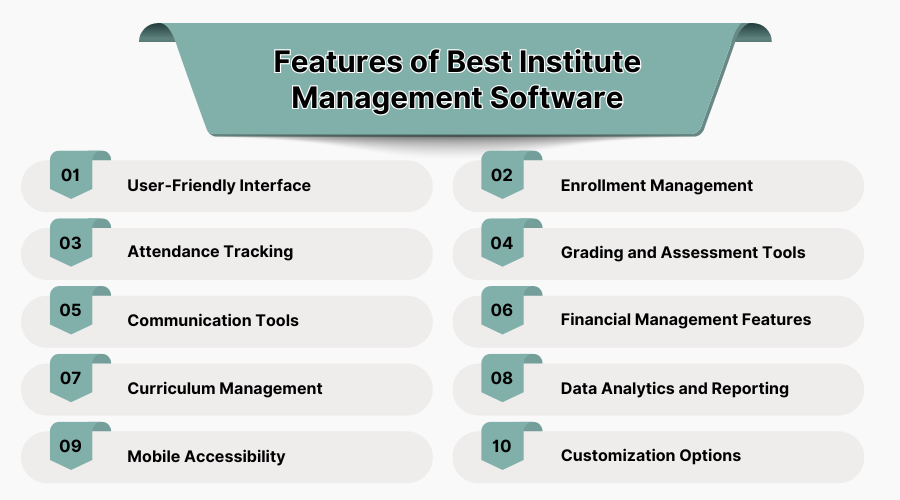
The features of the best institute management software are:
1) User-Friendly Interface
An intuitive design ensures that all users of technical skill levels can easily navigate the platform. Clear dashboards, logical workflows, and minimal dislocation help to streamline daily tasks for teachers, administrators, and students. A good interface reduces the need for extensive training and boosts overall adoption.
2) Enrollment Management
Streamlining admissions through automation increases efficiency and reduces paperwork. From the online application form and document upload to eligibility control and final approvals, each step can be digitally managed. This not only speeds up the process but also improves accuracy and transparency to both applicants and administrators.
3) Attendance Tracking
Institute Management System platforms often include digital attendance logs for both students and staff. With options like biometric or RFID integration, these systems ensure accurate, real-time tracking. Automated records also support streamlined reporting and reduce administrative workload.
4) Grading and Assessment Tools
With the help of an Institute Management System, teachers can efficiently create, distribute, and grade assignments. These tools also enable the generation of report cards and performance analytics, helping educators monitor student progress over time. The automation of grading processes reduces errors and saves valuable instructional time.
5) Communication Tools
The Modern Institute Management Software Solutions is equipped with underlying message tools, email services, SMS notifications, and declaration boards. These functions ensure easy contact between teachers, students, and parents, and promote quick decisions and better educational coordination.
6) Financial Management Features
A robust Institute Management System simplifies the handling of tuition fees, scholarships, and other transactions. This automatic invoice allows for generations, safe online payments and tracking of real-time financial records. It improves transparency and reduces administrative burden on financial departments.
7) Curriculum Management
An advanced Institute management software helps streamline the academic framework by organizing syllabi, managing class schedules, and assigning teaching responsibilities. It also supports the distribution of learning materials, ensuring that both instructors and students stay aligned throughout the academic term. During the peak registration period, many institutions rely on admission software to reduce manual work and speed processes.
8) Data Analytics and Reporting
With the help of the Institute management software & System, institutions can turn raw data into actionable insights. Interactive dashboards, visual charts, and adaptable reports help administrators to track performance, identify trends, and make data-informed decisions in departments.
9) Mobile Accessibility
Today’s academic ecosystem demands flexibility, and mobile access is a key part of that. Many Institute Management Software platforms now offer dedicated mobile apps or responsive web portals. These tools allow students, teachers, and parents to connect and manage tasks with any device at any time.
10) Customization Options
Different institutions have unique operating requirements, whether it is a K-12 school, a college, or a training center. A well-designed Institute Management Software & System should offer flexible modules that can be tailored to suit diverse workflows. Custom fields, feature toggles, and configurable permissions make the platform adaptable to any educational model.
6. Five Best Institute Management Software & System in USA
The best institute management software is:
1. Microweb Solutions - Smart Information System
Microweb offers a comprehensive Institute Management Software & System tailored to meet the diverse needs of schools and colleges. With a focus on automation and efficiency, it integrates ERP functionalities, mobile accessibility, and real-time communication tools into a unified platform.
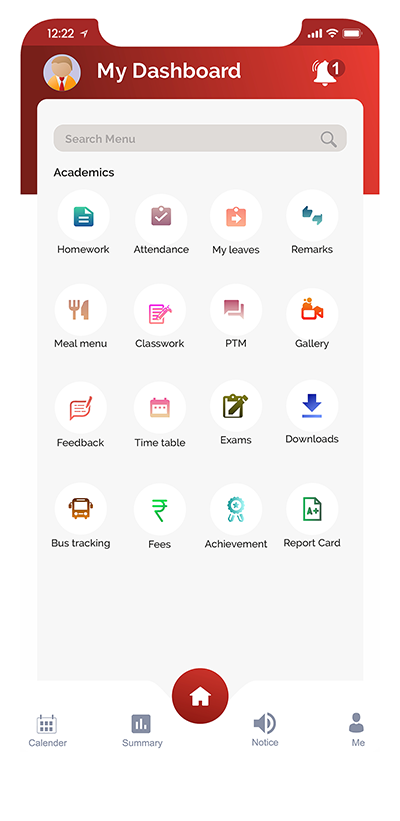
Key Features
-
Cloud-based access for staff, students, and parents
-
Attendance and timetable management
-
Fee management with automated invoicing
-
Exam result generation and report cards
-
Mobile app with push notifications
Pros
-
Highly customizable to fit institutional needs
-
Excellent customer support and onboarding
Cons
-
Interface may feel dated to some users
-
Initial setup requires detailed configuration
Pricing: Kindly visit the website for accurate pricing.
2. skillaHR
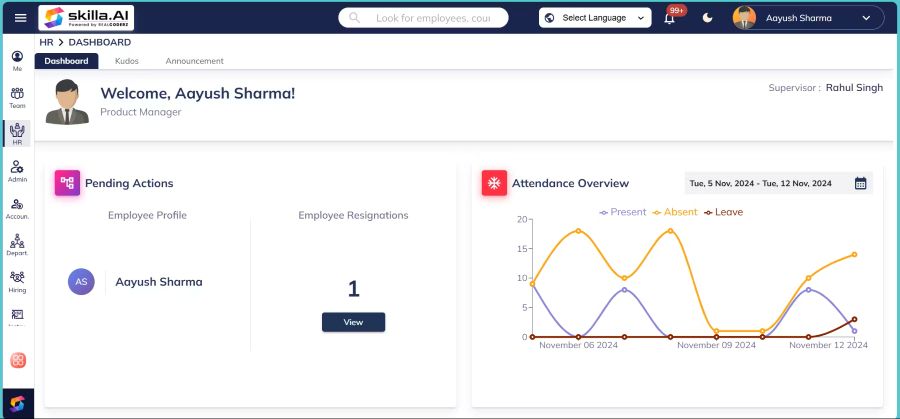
Initially developed as a human resource management tool, skillaHR has evolved to serve educational institutions by combining student information management with comprehensive HR functionalities. This hybrid Institute Management Software provides a unified platform where student data, staff records, and administrative workflows are seamlessly integrated, enhancing operational efficiency and decision-making.
Key Features
-
Attendance and leave management
-
Payroll integration
-
Role-based access
-
Custom forms and workflows
-
Staff training modules
Pros
-
Excellent HR and admin tools
-
Cloud-based, easy to scale
Cons
-
Lacks deep academic tools
-
Limited parent communication options
Price: Plan information is available on the website. Kindly refer to that.
3. Campus 365
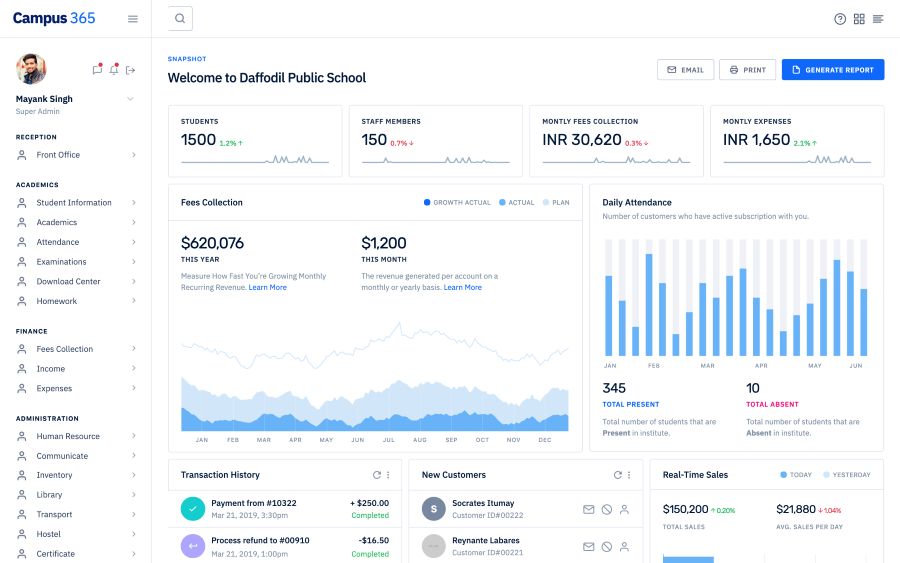
It is a cutting-edge, cloud-based Institute Management System designed to support schools and colleges in their journey toward complete digital transformation. With its user-friendly interfaces and scalable architecture, it provides extensive tools to manage educational, administrative, and financial operations, everything is available anytime and anywhere. This system is particularly suitable for institutions aimed at increasing cooperation and streamlined processes in departments.
Key Features
-
Online admission and fee management
-
Live class integrations
-
Homework and assessment tools
-
Transport and hostel management
-
Parent and student portals
Pros
-
Extensive feature set
-
Regular updates and enhancements
Cons
-
Slight learning curve
-
Customization can be time-consuming
Price: Starts at $70/monthly billed yearly, with discounts for annual subscriptions.
4. Winer
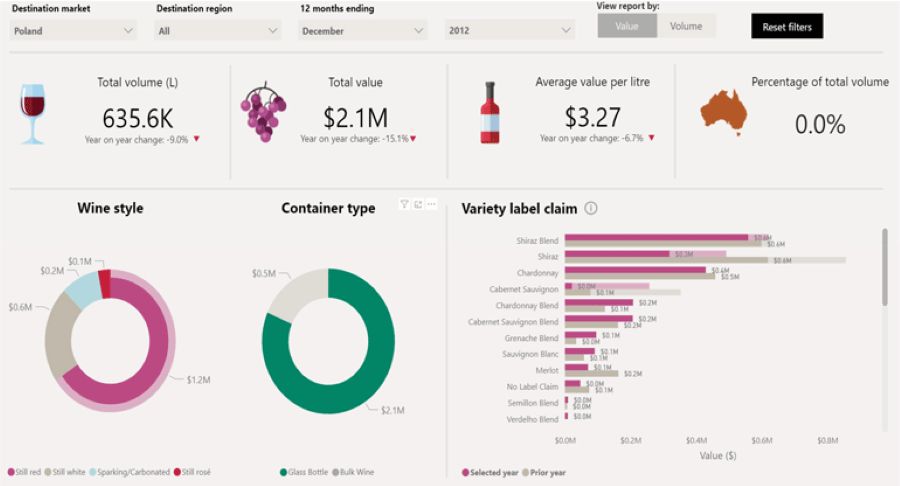
Winer is a straightforward and easy-to-use Institute Management Software designed primarily for school management. It emphasizes simplicity with a clean, minimalistic design while providing all the essential academic features needed for daily operations. Winer helps schools efficiently manage attendance, grading, communication, and scheduling without overwhelming users with unnecessary complexity.
Key Features
-
Teacher dashboards
-
Exam and grade tracking
-
Daily logs and homework updates
-
Calendar and reminders
-
Attendance and leave tracking
Pros
-
Simple and intuitive
-
Affordable pricing for small institutions
Cons
-
Limited integration capabilities
-
Less suitable for higher education
Price: Begins at $52.95/month.
5. Astral School Management System
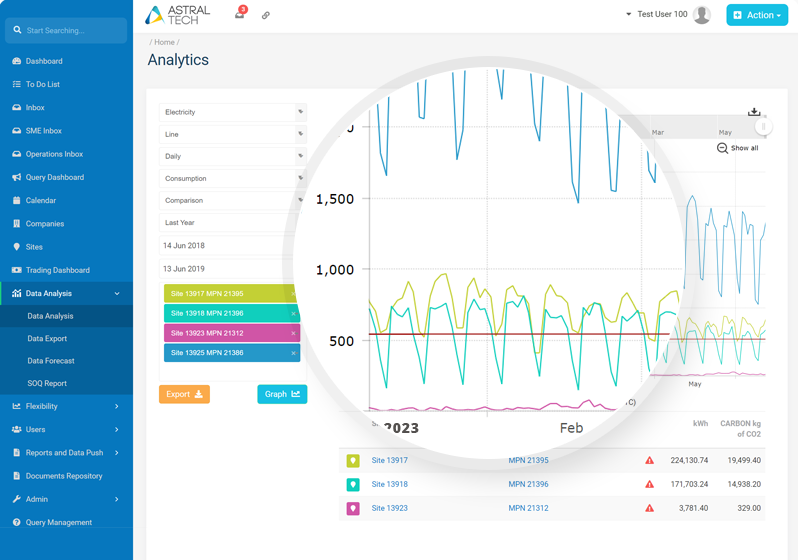
Tailored for modern educational demands, Astral School Management System stands out as a versatile tool for streamlining institutional operations. It brings together academic administration, financial oversight, and detailed analytics into a single platform. Known for its robust reporting capabilities, Astral empowers schools and colleges to make informed, data-backed decisions with ease.
Key Features
-
Comprehensive reporting
-
Inventory and asset tracking
-
Academic and non-academic workflows
-
Custom dashboards
-
Library management
Pros
-
Great analytics tools
-
Covers both academic and administrative needs
Cons
-
Outdated interface
-
Not mobile-first
Price: Check the website for accurate pricing.
7. Conclusion
Investment in the right institute administration software and system can dramatically improve institutional efficiency, computer courses, communication, and general academic experience. By understanding your requirements, comparing features, and evaluating prices, you can choose the ideal system that supports your development and digital change.
8. Criteria for Selecting the Right Institute Management Software
Choosing the right Institute Management System involves evaluating the following key factors:
1) Ease of Use
It is a critical factor when selecting an Institute Management Software & System. A user-friendly interface ensures that administrators, teachers, and students can easily navigate the stage and require minimal training. The best institutional management system should simplify complex functions and reduce the learning curve for all users.
2) Scalability
As the institutions grow, they have operating requirements. A scalable solution allows spontaneous expansion- whether it connects new complexes, records more students, or integrates additional features. Teachers can promote classroom efficiency through integrated, strong classroom management software in larger systems. This adaptability ensures that the platform continues to meet your evolving requirements without disruptions.
3) Customization
Every educational institution has its own structure, routines, and administrative style. A customizable platform allows you to change modules, reports, and settings to match your specific operating requirements. This flexibility ensures that software basically fits in your existing ecosystem, improves efficiency, and user satisfaction.
4) Integration
A robust system should work in harmony with your current digital infrastructure. Seamless compatibility with tools such as learning platforms, accounting software, or communication apps helps avoid data silos and duplicated efforts. This interconnectedness streamlines workflows and boosts overall operational efficiency.
5) Security
Protecting sensitive information-like student records, financial data, and details about employees, is non negotiable. A reliable platform will offer strong encryption, role-based access control, and regular security updates. These measures help ensure data integrity while maintaining compliance with privacy regulations.
6) Customer Support
Reliable help is necessary when technical problems arise or when users need guidance. A quality platform should provide responsible customer service with resources, including self-help, such as training programs, common questions, and comprehensive documentation. This ensures even implementation and is easy to use for all stakeholders.
7) Cost Effectiveness
Educational institutions often work within a tight budget, so the cost of money is important. A well-designed platform should offer transparent price structures without hidden fees, and make sure you really know what you pay for. Long-term, investment should be given average returns in efficiency, accuracy, and resource savings.
