
Best HR Analytics Software in
Are you looking for HR Analytics Software for your Business in ? SaaS Adviser brings you the best HR Analytics Software to ease your worries. In order to make your work smooth and swift, SaaS Adviser has compiled a list of the best software available. Compare the Best software features, pricing, free demo, and trial to select the best HR Analytics Software for your organization.
.jpg "Shraddha") Researched and Written by Shraddha
Researched and Written by Shraddha
Top 3 Featured Softwares


List of Top HR Analytics Software
Get Free Consultation


Ashby

What an ATS should be.
Ashby is a modern, all-in-one recruiting software designed to help businesses streamline and optimize their hiring processes. It combines key functionalities such as an Applicant T...
View Profile

Recruitee is a collaborative hiring software designed to streamline recruitment processes for businesses of all sizes. It offers a centralized platform where teams can post job...
View Profile

SparkHire
Flexible Hiring Software for People-Powered Organizations
Spark Hire is a cloud-based video interviewing platform designed to streamline and enhance the hiring process for businesses, recruiters, and staffing agencies. With its asynch...
View Profile

Agentnoon
Transformations Org Design Outcomes Mergers People Analytics Faster with AI
Org design and workforce planning platform to drive organizational transformation. Drive organizational agility using a fast, easy, and interactive workforce planning and org d...
View Profile

What is Culture Amp?Culture Amp is a leading employee experience platform designed to go beyond traditional HR tools by combining people analytics with behavioral science. Rath...
View Profile
Appreiz
By Appreiz
Appreiz is a software platform that helps organizations optimize employee engagement, talent management, and performance using social recognition. With Appreiz, managers and team m...
View Profile

Vantage Circle is an advanced employee engagement and benefits platform designed to boost workplace motivation and productivity. It combines multiple solutions like rewards and...
View Profile
SkizzleHR is a modern, cloud-based Human Resource Management System (HRMS) designed to streamline and automate HR operations for businesses of all sizes. It integrates advanced...
View Profile

Beamery
By BeameryWhat is Beamery?Beamery is an AI-powered talent lifecycle management platform designed to help organizations attract, engage, and retain top talent more effectively. Tailored for g...
View Profile
Talentid.app
Ghost proof your offersTalentid is an AI-powered offer intelligence platform that helps startups and enterprises predict candidate joining probability and reduce last-minute offer drop-offs.
View Profile

What is Centricity ShiftSelect? Centricity ShiftSelect is a robust cloud-based workforce scheduling and staffing solution designed for healthcare organizations. It simplifies ...
View Profile
ADP Payroll Services
By ADP Payroll Services
ADP Payroll Services is a cloud-based solution for payroll and human capital management that streamlines and automates payroll processes for organizations of any size. As a...
View Profile
Open HRMS
Open HRMS- to attain the growth that you sought
What is Open HRMS?Open HRMS is an open-source Human Resource Management Software designed to streamline HR processes across organizations. Powered by the Odoo platform, it prov...
View Profile
Trackstar
Your Ultimate Talent Management Solution for All Stages of the Employee Lifecycle
Trakstar offers integrated solutions for performance management, applicant tracking, and learning management, enabling organizations to streamline processes such as hiring, onb...
View Profile

PayFit
UK payroll software that scales with your business
PayFit is a cloud-based payroll and employee management solution that automates everything from HMRC RTI submissions and payslips to employee leaves and expenses. It is designed sp...
View Profile
Adrenalin Recruitment Management
Fast and highly effective hiring platformWhat is Adrenalin?Adrenalin MAX HRMS is a robust cloud-based Human Resource Management System that helps organizations digitize and optimize their HR operations. Designed for b...
View Profile

Leena AI
Agentic AI for enterprise that reduces IT, HR and Finance tickets. 70% self service guaranteed.
Leena AI is an advanced conversational AI platform built to streamline enterprise operations with intelligent virtual agents. Founded in 2018, the platform focuses on transform...
View Profile

uRecruits
AI meets hiring. Say goodbye to long hiring cycles and hello to seamless, automated recruitment. #FutureOfHiringAI-enabled software that helps streamline recruitment for businesses with tools for recruitment, assessment, and talent management.
View Profile

Zeta HRMS
Navigating Your Workforce Journey with Precision, Efficiency, and Empowerment.

Table of Content
What are HR Analytics Tools?
HR analytics tools are online applications or software that help collect, store, process, analyze, and visualize data about human resources analytics tools. These applications or software support the opportunity for HR to make data-driven choices in the field of hiring, performance management, employee relations, and retention, as well as training programs. From imitating recruitment to enhancing workforce productivity, HR analytics tools play a critical role in the process of aligning HR strategies with the general business strategy. These systems apply different approaches and data models to information on workforces.It pulls together data from sources such as performance appraisals, time and attendance systems, payroll, and even recruitment solutions to set the stage for actionable insights well beyond what traditional HR reporting offers. It provides intuitive dashboards and predictive models that can be used to ensure that an organization is managing its employees in a proactive rather than a reactive manner.
1. Benefits of Best HR Analytics Tools
Using top-notch HR analytics systems can greatly affect the organization's success. Below are the biggest benefits:
-
Improved Hiring Decisions
Analytics tools provide insights into skill matching, cultural fit, and past hiring success to help streamline the recruitment process by identifying the best candidates. Many companies depend on applicant tracking software in the US to streamline the recruitment process and manage large volumes of job applications effectively. These best candidates reduce the guesswork involved in who will lead to better hires.
-
Reduced Talent Scarcity
An organization can address talent shortages in advance based on future skill needs as a proactive approach. This will reduce the time needed to fill a position and ensure that critical roles are filled continuously.
-
Improved Hiring Process
With real-time data and automation, the HR analytics tool simplifies the employment process, reduces time-consuming tasks, and provides more clarity to managers to hire. Recruitment software saas solutions offer cloud-based tools that help businesses automate and optimize their entire recruitment lifecycle.
-
Good Training
Quantitative observations aid in determining training efficacy and deficits in skills. Workforce abilities can be improved by implementing specific instruction programs.
-
Better Employee Insights
Management may make accurate choices with the use of HR analytics solutions, which offer a comprehensive view of employee performance, participation, contentment, and velocity. Streamlining the new hire experience is possible with modern employee onboarding software that automates paperwork and orientation.
-
Reduced Attrition Rate
By identifying at-risk workers and allowing HR teams to take proactive measures, advanced analytics can reduce attrition.
-
Improved Candidate Experience
The reputation of employers is strengthened when candidates have a streamlined and interesting interviewing experience thanks to improved interaction and criticism loops. HR Chatbot Software can enhance this process by providing instant responses, scheduling interviews, and collecting candidate feedback efficiently.
-
More Productive Workforce
Enhanced teamwork, better goal equilibrium, and higher worker efficiency are all results of analytics-driven HR management.
2. Types of HR Analytics Tools
HR analytics should be categorized into four primary categories based on the insights provided:
-
Descriptive HR Analytics
It looks at the historical perspective of past performance, turnover rates, absenteeism, and recruitment metrics. Descriptive HR analytics set a base for understanding the trend and pattern of employee behavior. It will help HR come up with the right reports and dashboards using simple metrics and KPIs.
-
Diagnostic HR Analytics
Diagnostic analyses answer this question as to why an event occurred by deep excavation in the data. For example, if the employee has a spike in the level of sales, it will identify the causes of why this is happening. It will bring to the table variables such as employee engagement scores, manager performance, and whether or not compensation is an issue. This layer of analytics allows HR professionals to create actionable strategies. An HR Analytics tool can further enhance this process by providing automated insights, visualizations, and predictive analysis to support data-driven HR decisions.
-
Predictive HR Analytics
The future analysis is about predicting the future based on historical data. This answers the question, "What is the opportunity to happen?" For example, which employees are at risk of leaving, or which candidates are likely to succeed? This type of HR Analytics Platform uses statistical algorithms and machine learning models to do trend analysis and forecast HR-related events.
-
Prescriptive HR Analytics
The most advanced form, prescriptive analytics, answers, “What should be done?” It suggests actions based on data models and business rules. For example, it may recommend personalized training programs or succession plans. The size of the HR analysis market was USD $ 3.61 billion in 2023 and is expected to reach $ 11.96 billion by 2032, and grew from 14.3% in the forecast period 2024-2032. This level of HR Analytics program allows organizations to make active and strategic decisions.
3. Conclusion
The HR analytics tool is one that has transformed the managing and engaging with the workforce for businesses. It helps in making smarter decisions backed by data for understanding employee behavior and enhancing the recruitment process while reducing turnover. Companies are becoming more data-centric, and this is encouraging the use of smart HR analytics systems, which previously were seen as an option — now they are a need at a strategic level.
4. Important Considerations When Choosing HR Analytics Tools
Before you make an investment in HR Analytics, take into consideration the following important factors:
-
Scalability
The tool should be able to scale up along with the size of your business and the addition of more modules, supporting multiple users.
-
Customization
Features tailored to meet specific organizational needs and dashboards that can be configured the way the user wants are key components to aligning the tool with specific organizational needs.
-
User Interface
A neat and simple UI for the tool makes it easier to be used more frequently and reduces the dependence on IT teams.
-
Reporting Capabilities
Ready-to-use reporting with real-time updates and comparisons to historical data will deliver much more business insight.
-
Cost and ROI
See the license price and setup money, and check if there is a long-term return. Search for answers that prove the investment with measurable results.
-
Support and Training
Check the help system from the seller and see if there are training resources to make the most of it. Nice customer service, training help, and keeping everything up to date are essential for long-term success
5. Latest Market Trends in HR Analytics Tools
Companies modernize their HR functions; the world of HR analytics solutions is changing quickly. Here are the major trends shaping the future:
-
AI Integration
Artificial Intelligence not only enhances accuracy but also learns and predicts which data is to be trusted and further learns and predicts which actions are to be personalized for each user.
-
DEI Metrics
More companies are doing this, only with Diversity, Equity, and Inclusion metrics for their talent optimization and new requirements to promote a fair practice. With talent management saas, HR teams can manage employee development, performance, and succession planning from a centralized, cloud-based platform.
-
Real-time data analysis
Instant insight discovery is an essential requirement for making timely decisions in today’s fast-paced business environment.
-
Skills-Based Hiring
Companies have now increasingly adopted a new methodology; hence, there is a need for analysis on skills proficiency. And none other than recruitment software saas solutions offer cloud-based tools that help businesses automate and optimize their entire recruitment lifecycle.
-
Predictive Analytics
Human Resources managers may save valuable time and substantially pare down on transcription mistakes by selecting the best payroll software ( USA). There has been an increase in the use of such models for future turnover risks, employee behavior, and performance trends.
6. Latest Market Trends in HR Analytics Tools
Companies modernize their HR functions; the world of HR analytics solutions is changing quickly. Here are the major trends shaping the future:
-
AI Integration
Artificial Intelligence not only enhances accuracy but also learns and predicts which data is to be trusted and further learns and predicts which actions are to be personalized for each user.
-
DEI Metrics
More companies are doing this, only with Diversity, Equity, and Inclusion metrics for their talent optimization and new requirements to promote a fair practice. With talent management saas, HR teams can manage employee development, performance, and succession planning from a centralized, cloud-based platform.
-
Real-time data analysis
Instant insight discovery is an essential requirement for making timely decisions in today’s fast-paced business environment.
-
Skills-Based Hiring
Companies have now increasingly adopted a new methodology; hence, there is a need for analysis on skills proficiency. And none other than recruitment software saas solutions offer cloud-based tools that help businesses automate and optimize their entire recruitment lifecycle.
-
Predictive Analytics
Human Resources managers may save valuable time and substantially pare down on transcription mistakes by selecting the best payroll software ( USA). There has been an increase in the use of such models for future turnover risks, employee behavior, and performance trends.
7. Five Best HR Analytics Tools in USA
Here is a comprehensive observation of the five best HR analysis tools in the United States (2025), including their key features, professionals, opposition, and latest price information:
1. RStudio
RStudio is a powerful integrated development environment for R programming, widely used in data analysis, statistics, and machine learning.
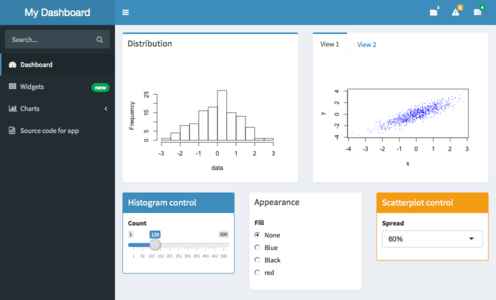
Top Features:
-
Script editor with syntax highlighting and code completion
-
Integrated R console and debugging tools
-
Visual data viewer and plotting capabilities
-
Git and version control support
-
Add-ins and extensions via R packages
Pros:
-
Excellent support for statistical programming
-
Open-source version available
Cons:
-
Steeper learning curve for beginners
-
Limited built-in support for languages other than R and Python
Pricing: Visit the website and get a quote for custom pricing.
2. OrgChart
OrgChart is a visual organizational chart software that helps HR teams and businesses easily design, share, and manage company hierarchies.
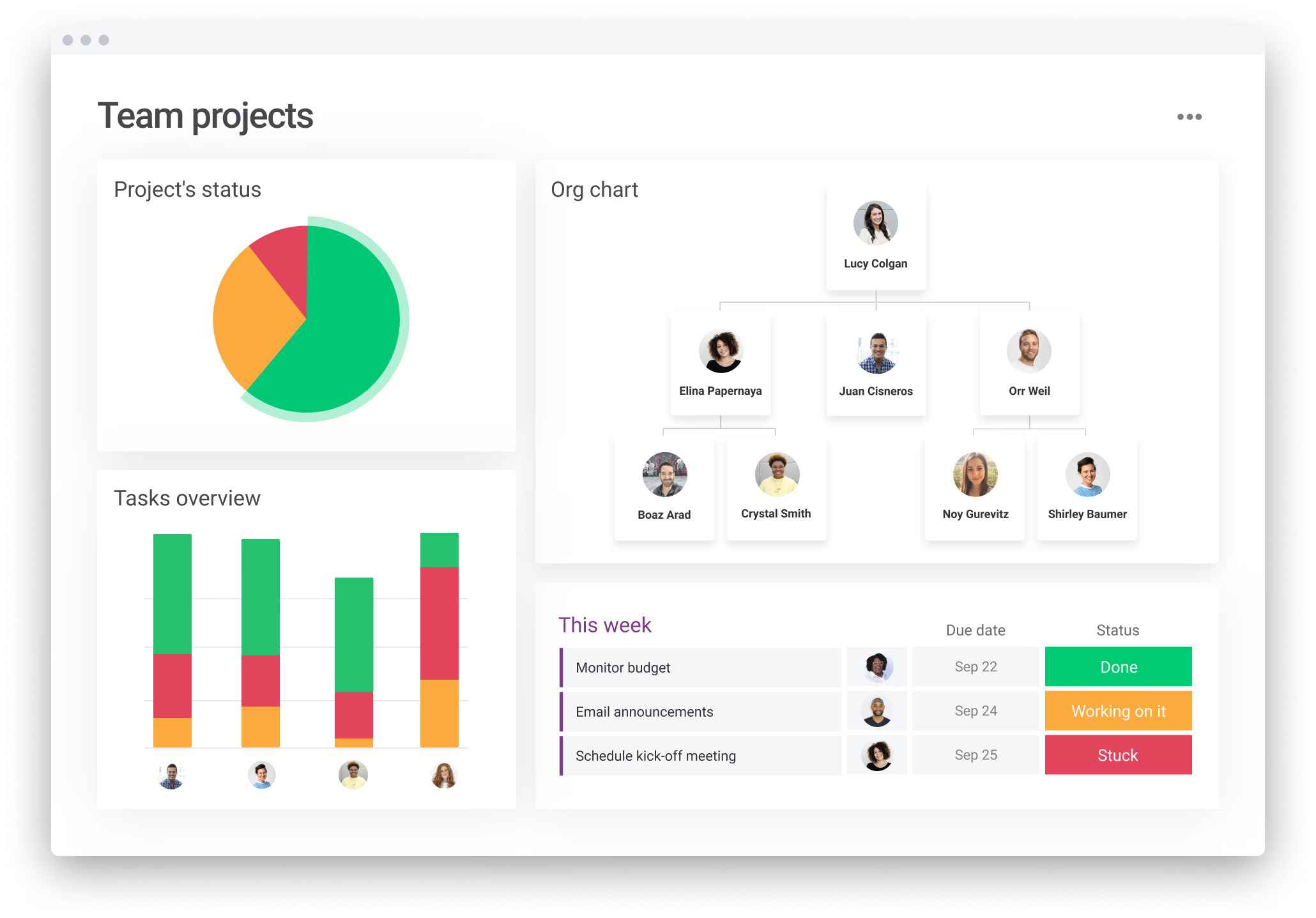
Top Features:
-
Drag-and-drop org chart builder
-
Real-time data sync from HR systems
-
Auto-generation from spreadsheets or HRIS
-
Custom reporting and export options
-
Secure sharing with access controls
Pros:
-
Easy visualization of complex organizational structures
-
Integration with popular HR systems like ADP and Workday
Cons:
-
Limited customization in basic plans
-
May require training for large-scale use
Pricing: Starting at $105 per month, billed annually
3. Rippling
Rippling is an all-in-one work management platform that adds HR, IT and wage functions to a uniform system.
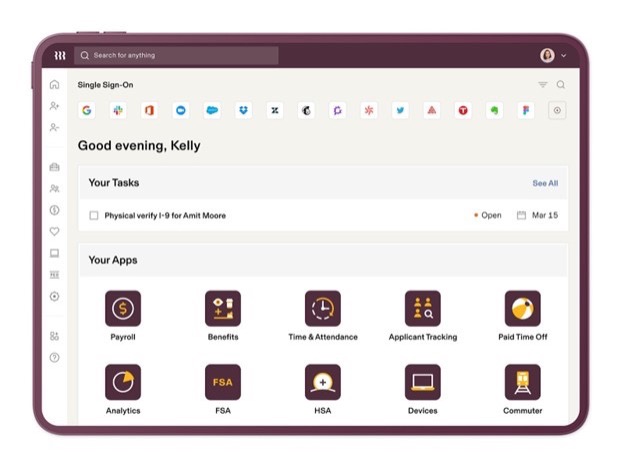
Top Features:
-
Automated onboarding and offboarding
-
Payroll and benefits administration
-
Device and app management for employees
-
Global workforce management
-
Advanced reporting and analytics
Pros:
-
Seamless integration of HR, IT, and payroll in one platform
-
Intuitive interface and automation features
Cons:
-
Pricing can increase quickly with add-ons
-
Limited customer support on lower-tier plans
Pricing: Visit the website and get a quote for custom pricing.
4. BambooHR
BambooHR is a popular cloud-based HR Software System designed specifically for small to medium-sized businesses to effectively manage employee data and HR workflow.
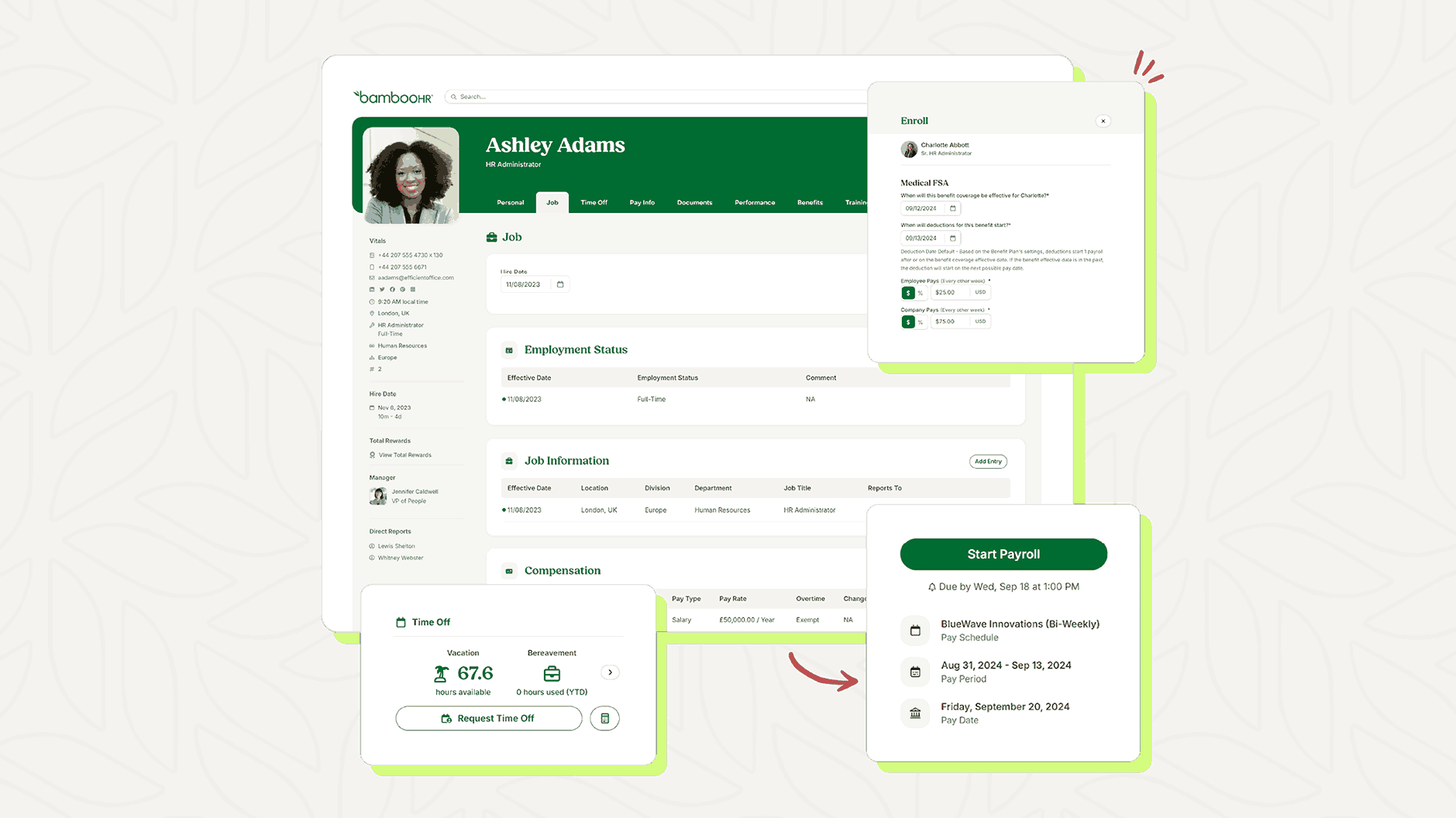
Top Features:
-
Employee self-service portal
-
Time-off tracking and approvals
-
Customizable performance reviews
-
Hiring and onboarding tools
-
HR analytics and reports
Pros:
-
User-friendly interface tailored for SMBs
-
Efficient onboarding and performance management
Cons:
-
Payroll not included in the basic plan (U.S. only)
-
Limited customization options in reports
Pricing: Visit the website and get a quote for custom pricing.
5. Gusto
Gusto is a modern payroll, benefits, and HR platform built for small businesses looking for easy-to-use and automated HR solutions.
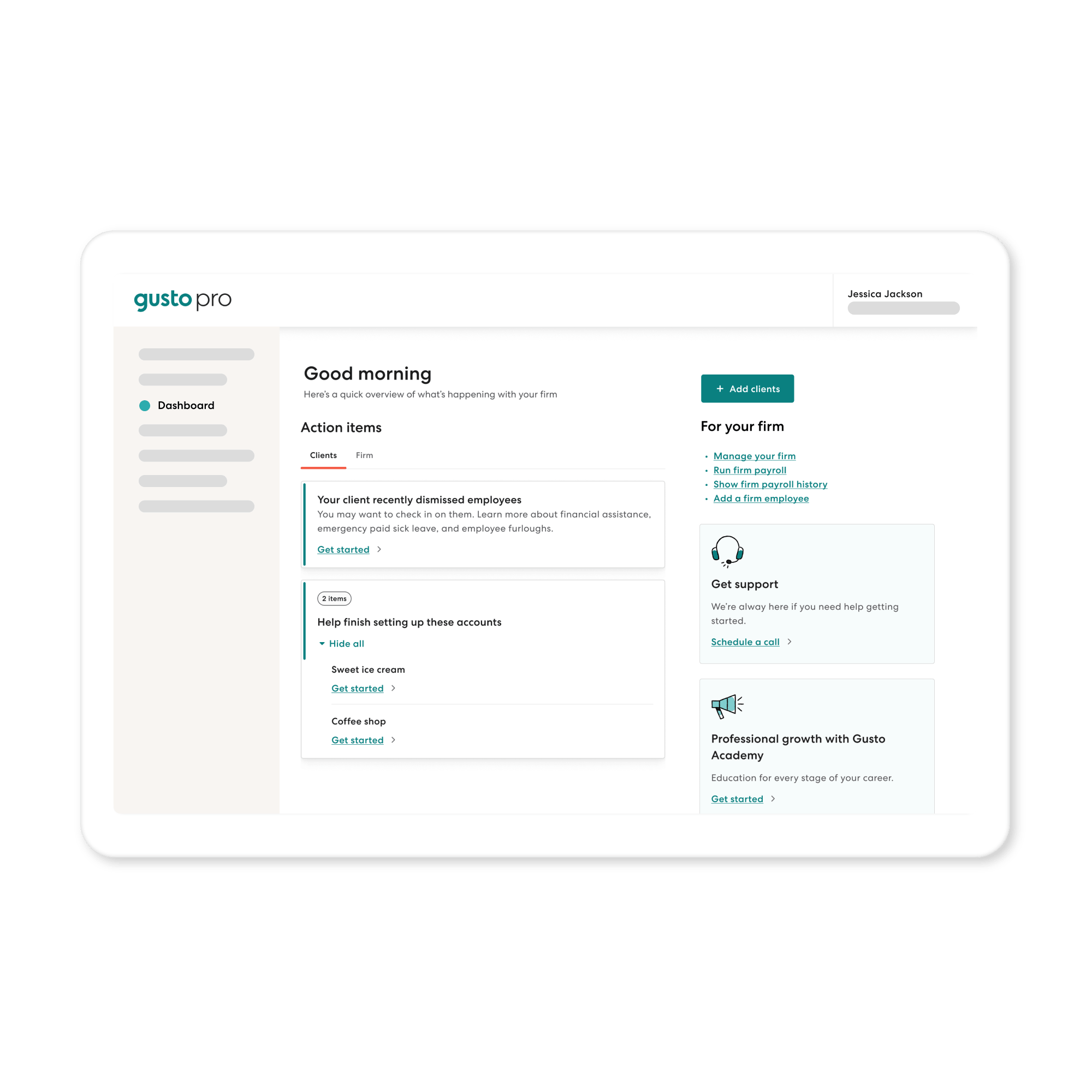
Top Features:
-
Full-service payroll (including tax filings)
-
Employee benefits administration
-
Onboarding tools and e-signatures
-
Time tracking and PTO management
-
Compliance support and HR resources
Pros:
-
Simplifies payroll and compliance for SMBs
-
Transparent pricing with no hidden fees
Cons:
-
Limited features in the basic plan
-
Some features not available in all U.S. states
Pricing: Starts at $49/month base + $6/user/month.
8. Features of Best HR Analytics Tools
A complete HR analytics program ought to present a mix of strong features that help firms make the most of their people:
-
Data Integration Capabilities
A top-notch HR analytics program should have strong data integration that allows easy connection with all HR systems, including payroll, attendance, recruitment, performance management, and learning platforms. This helps in centralizing data from multiple sources. Integrated data enables HR to have precise and complete insights about workforce trends, the behavior of employees, and organizational performance.
-
Visualization and Reporting
Good HR analytics tools have rather advanced visualization and reporting features so that raw data can be converted into charts, graphs, dashboards, and interactive reports in a rather presentable manner. These may help HR people and the leadership rapidly catch trends, patterns, and outliers in their employee data. Customized reports can be a major input, with the added benefit of the possibility to schedule them as well.
-
Customization And Flexibility
An outstanding HR analytics program should provide a very high degree of customization and flexibility which allows different organizations to adjust the system according to their specific needs. And also, Workforce management software enables organizations to schedule shifts, track employee attendance, and ensure compliance with labor regulations. Any customization, from setting filters to having reports that are based on specific requirements, provides the flexibility for the software to be aligned with HR strategy.
-
Collaboration And Sharing Features
Modern HR analytics tools ought to support team collaboration and knowledge sharing by allowing users to share reports, dashboards, and insights with stakeholders across the organization. Facilities including real-time sharing, comments, a commentary section, and version control equipment make it easy for teams to collaborate on HR data. When Slack is integrated with collaborative equipment such as Microsoft Teams or E-Post, it provides an extra advantage to spontaneous communication.
-
Scalability
Scalability is a critical need, particularly for expansion-oriented organizations. The top HR analytics software should have the ability to scale along with the business, pertaining to the data volume and number of users, which keep on increasing without any compromise on the system performance. As the setup of the company is further diversified with more employees, departments, or locations, the software should be able to maintain fast and reliable delivery of insights.
-
Security And Compliance
Due to the sensitivity of the employee information handled by HR analytics, security and compliance are an absolute must. A reliable program for HR analytics shall comprise strong security measures such as data encryption, access controls, user authentication, and an audit conducted in line with regular audit trails to safeguard the integrity and confidentiality of data. This entails the protection of data protection regulations, including GDPR, HIPAA, or labor laws, to prevent legal liabilities.
-
User-Friendly Interface
An interface that can be managed without difficulty by the HR staff, even if they are not very technically proficient, is important for the effective utilization of the analytics tool. The very best platforms provide for intuitive navigation, with drag-and-drop features on clear layouts, together with easy-to-follow workflows. Best performance management software tracks employee goals and feedback to enhance overall productivity.
9. Challenges in HR Analytics Tools
Though it has many benefits, there are several challenges when it comes to implementing an HR analytics platform:
-
Data quality and accuracy
Error or incomplete data can cause misleading insights. Continuous monitoring and standardization of data sources are necessary to ensure high data quality.
-
Data privacy and security
Handling sensitive employee data requires strong security measures and compliance with rules such as GDPR. Any breach can cause legal consequences and loss of trust.
-
Skills and expertise
Differences in analytical skills can interrupt the use of equipment. This problem can be solved by skilled data analyst training and employment.
-
Resistance to change
Introduction to new systems often meets resistance. Employees can be reluctant to adapt to data-driven methods. Effective change management strategies are required
10. Criteria for Selecting the Right HR Analytics Tools
Proper HR analytics tools solution choice from a range is key to success in making HR more data-driven. An organization has to compare its present skills, future needs, and technical environment while considering an option. The main criteria for choice comprise:
-
Ease of Integration
It should work well with your current HR technology, which includes the systems for pay, attendance, finding new workers, and performance. Easy integration helps data move smoothly between all systems without being copied or wrong.
-
User Experience
A simple interface helps HR workers use the system without needing tech knowledge. A good experience for the user leads to more people using it and less need for lots of training.
-
Real-Time Analytics
Access to real-time data allows decisions to be made faster since it is more accurate. Many companies spend resources on employee engagement software that allows for evaluation and appreciation in order to increase enthusiasm and productivity.
-
Scalability
The tool should grow with your business. This means more users, data, and modules over time. A scalable solution guarantees long-term value as the organization grows.
-
Customization
Every organization has distinct reporting requirements and methods. An adaptable analytics tool enables you to adjust dashboards, metrics, and alerts to match the objectives of your company and its HR workflows.
-
Security
As critical employee information is involved, proper security measures involve encryption, role-based access, and frequent audits. It should also comply with international and regional data protection regulations.
-
Vendor Reputation
Select a vendor with a good history of success, happy customers, and who answers your calls when you need help. Good vendors tend to do a better job of onboarding and helping you long-term. Using trusted HR analytics solutions guarantees you accurate insights and a hand to hold.
