The selection of technologies goes beyond considerations — it's a strategic choice too! The technology stack used in a SaaS application impacts aspects like product efficiency and speed of development as well as future scalability and maintenance expenses in significant ways.
In today's world where users demand performance and rapid feature enhancements on a regular basis, your choice of technology stack can either pave the way for sustained expansion or become an obstacle in your path forward.
This article can assist you in assessing the SaaS development toolkit that aligns with your company objectives, team capabilities and customer requirements.
The Importance of Your SaaS Technology Stack
Using a SaaS tech stack goes beyond having various tools at your disposal; it forms the core of your product's operations. From its functionality and scalability to its integration, with other systems and long term development.
-
Embraces evolution
-
Guarantees operation during periods of heavy usage
-
Addresses the accumulation of term technical obligations
-
Assists, in drawing in top notch developers
-
Allows room for expansion, in the future
When building SaaS products, selecting the right technology stack means aligning with the client's business strategy, user needs, and financial realities. That's why SaaS application development services play a critical role in guiding companies toward the most effective and sustainable tech choices.
The Fundamental Components of SaaS Technology Framework
When exploring the ideal technology stack, for SaaS its first grasp the key elements that make up a standard SaaS architecture.
-
The part of the software that users directly engage with is known as the frontend or client side
-
The backend, known as the server side manages tasks related to business logic and data organization
-
The database is used to store and access information
-
The infrastructure or hosting refers to the location where the application is hosted
-
Using APIs and integrations to connect with tools and services
The important thing is to discover technologies that can effectively collaborate across these levels.
Top SaaS Companies Preferred Tech Options
Exploring the practices of companies in the industry can provide valuable insights into effective solutions utilized by top SaaS firms.
-
Slack utilizes a mix of PHP (, for functionalities) Java and React deployed on AWS
-
Shopify operates using Ruby on Rails. Is recognized for its robust community of developers
-
Dropbox originally began using Python. Later transitioned certain components of its technology to Go in order to improve performance
-
Airtable utilizes a combination of JavaScript (React) Node.js technology and cloud based infrastructure
These decisions were not made hastily; they were based on thought, about enhancing developer efficiency and scalability while also considering community backing support.
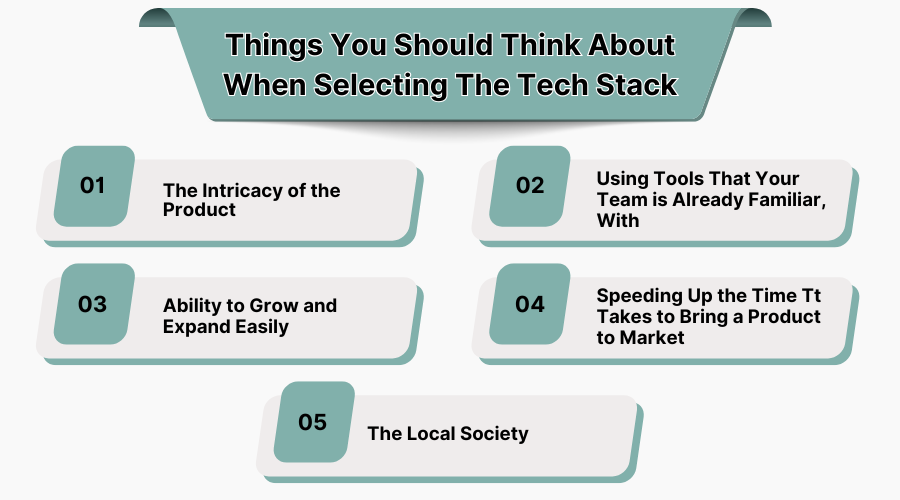
Things You Should Think About When Selecting The Tech Stack
Each person may have their unique set of preferences that suits them best when it comes to choosing the ideal SaaS technology stack, tailored towards both current requirements and future goals. Consider these aspects:
-
The Intricacy of the Product
For a MVP project that doesn't require heavy data processing or complex features you could opt for a lightweight technology stack such as Node.js with Express and MongoDB. In contrast if you're working on an advanced product, with significant data needs Django paired with PostgreSQL could be a more suitable choice.
-
Using Tools That Your Team is Already Familiar, With
Can increase efficiency significantly. If your developers have expertise in TypeScript and React it would be wise to utilize those skills to their potential.
-
Ability to Grow and Expand Easily
Ensuring operation during heavy usage is essential for Software as a Service (Saas). Opt for technologies renowned for their ability for scalability, such as employing Kubernetes for efficient orchestration or leveraging PostgreSQL, for handling high levels of simultaneous queries.
Speeding Up the Time Tt Takes to Bring a Product to Market
It is crucial for success in business endeavors. Certain frameworks provide development cycles such as Ruby On Rails or Laravel which are excellent for situations where validating market suitability is more important than extensive customization efforts.
The Local Society
Having an open source community and thorough documentation can be really helpful in saving time and minimizing errors in software development projects. The use of technologies such as React,Nest.js and Node.js is quite common due to their wide acceptance and frequent updates.
Ideal Technology Stack, for Scaling SaaS Platforms
This is how a SaaS application can have a tech stack that scales effectively.
Front end
-
Which one should I choose for creating dynamic user interfaces; React or Vue.js?
-
Utilizing Next.js can enhance server side rendering. Optimize JS-heavy sites to improve SEO performance
-
Creating appealing and easy to maintain styles, with Tailwind CSS
System
-
Using Node.js alongside NestJS to create scalable codebases
-
When it comes to prototyping and following established conventions would you choose Django or Ruby on Rails?
-
When managing data should one opt for GraphQL or REST APIs?
Information repository
-
PostgreSQL is a choice, for handling relational data and ensuring reliability
-
Utilizing Redis for caching purposes and facilitating real time updates
The foundation of any system
-
When choosing between AWS or Google Cloud Platform consider factors, like flexibility and global coverage
-
Using Docker for containerization is a practice, among developers
-
Utilizing Kubernetes for managing and deploying applications efficiently on a scale
Keep an eye on things
-
Ensure a smooth flow, in development and deployment processes
-
Which one is better, for monitoring performance; Datodog or Prometheus?
-
Which tool do you prefer for integration; GitHub Actions, CircleCI or Jenkins?
This software as a service development framework combines speediness with adaptability and simplifies upkeep. Perfect, for expanding with assurance.
Building in Testing and Observability from Day One
The scalability of SaaS architecture depends on how you implement testing and observability practices from the very beginning. A trustworthy system that functions at scale under changing workloads and shifting feature sets requires more than just code functionality.
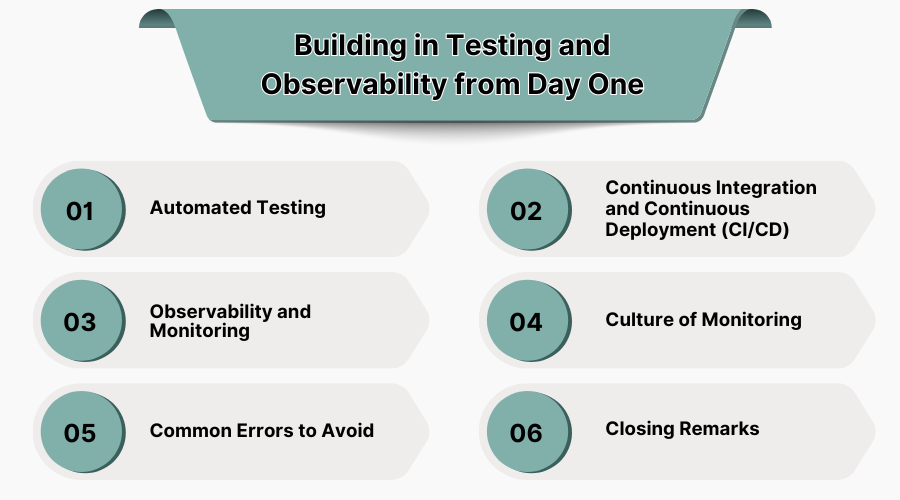
Automated Testing
The process of automated testing serves as an essential requirement for detecting regressions that appear during product growth and new feature implementation. A comprehensive suite should include:
-
Unit tests for individual components and functions
-
Integration tests for system-wide functionality
-
End-to-end (E2E) tests to simulate real user scenarios
The testing frameworks Jest, Mocha, Cypress and Playwright assist developers in creating dependable test pipelines. Your ability to develop at high speed without compromising quality increases when you implement automated testing during the early development phase as your user base expands.
Continuous Integration and Continuous Deployment (CI/CD)
The CI/CD pipeline of modern SaaS development services requires robust automated tests as a fundamental element. The integration of GitHub Actions with CircleCI and GitLab CI/CD enables you to implement the following features:-
The test suite executes automatically following each new commit.
-
Prevent faulty code from reaching production
-
Deploy quickly and confidently
This helps balance speed with stability — a key challenge when scaling.
Observability and Monitoring
After testing validates application quality before deployment observability functions as the main protection mechanism for running systems.
The implementation of an observability platform requires investments in three core components:
-
Application Performance Monitoring (APM): Tools like Datadog and New Relic along with alternatives such as CubeAPM, AppDynamics, Dynatrace, Elastic APM and open-source stacks like Prometheus + Grafana enable comprehensive performance monitoring of latency, error rates and system throughput Tools like Datadog and New Relic along with alternatives such as CubeAPM, AppDynamics, Dynatrace, Elastic APM and open-source stacks like Prometheus + Grafana enable comprehensive performance monitoring of latency, error rates and system throughput.
-
Log aggregation: Centralized logging (with tools like ELK Stack or Loki) lets you trace and debug issues quickly.
-
Distributed tracing: The flow of requests in microservices architectures requires tracing tools that display the system pathway to identify performance bottlenecks.
Culture of Monitoring
A culture that monitors performance and user experience should develop among developers and DevOps personnel through the implementation of monitoring tools. Real-time alerts together with dashboards enable teams to identify problems before they start affecting end-users.
Crafting software for scalability is crucial; focus on long term growth, than just the initial launch
When it comes to SaaS scalability it's not about the infrastructure. It also involves key architectural choices from the start. If you expect expansion here are some recommended strategies to keep in mind:
-
Consider employing microservices, in areas to separate key components of your application
-
Ensure you apply rate limits and distribute the load, to safeguard functions
-
Implement feature toggles to slowly introduce updates over time
-
If you intend to cater to customer settings it's advisable to incorporate multitenancy into your design
Scaling isn't about accommodating a larger number of users; it also involves maintaining performance levels and stability without any compromise.
Common Errors to Avoid
Numerous SaaS startups opt for a particular technology stack simply because it's fashionable, rather than because it aligns well with their product offerings or goals. Here are a few common pitfalls that one should be cautious of:
-
Picking tools that your team isn't familiar with can lead to a delay, in the development process
-
Starting with engineering, in the initial stages can lead to higher expenses and added intricacies
-
Disregarding security or compliance regulations is particularly risky, for businesses operating in regulated sectors
-
Failure to keep track of progress can result in overlooking problems and causing annoyance to users
Steer clear of these pitfalls by prioritizing business results instead of getting caught up in the hype.
Closing Remarks
Picking the technology stack for a SaaS platform is crucial but doesn't have to feel daunting at all! Begin by defining your product objectives and assessing your team's skills before considering the necessary compromises wisely.When collaborating with a firm that provides SaaS application development services ensure they assist you in making decisions tailored specifically for your needs rather than just following industry trends that may be popular, at the moment. Whether you're creating the B2Bs platform or an AI driven tool tailored for a specific industry sector — having a well planned SaaS technology stack is crucial for fostering growth in your business landscape. In a competitive market environment like ours today, getting this foundation spot on could mean the distinction between expanding seamlessly — or finding yourself lagging behind the competition.

 A Comprehensive Guide.jpg "What is Data Loss Prevention (DLP)? A Comprehensive Guide")