Do you ever get a query from a customer like, Can you give me a better price if I buy more? Well, that’s exactly why fixed prices don’t always work. Sometimes, users want to purchase in bulk, and standard prices just don’t fit in their budget. This is where they expect flexible rates, quotation forms, and better deals that match the size of their order.
But the problem here is that Shopify's built-in pricing structure is quite limited. It doesn’t allow you to add quantity-based prices or a way for customers to request quotes on the spot. This is where merchants often struggle to manage multiple quotation requests manually and miss out on bulk purchase opportunities that could boost their sales.
In this article, we will give you a simple solution to add negotiated prices for wholesalers and some tips to help your small business manage bulk orders effectively.
Why Negotiated Pricing Matters for Small Businesses
According to a study, 67% of shoppers say that personalized prices and deals encourage customers to shop in bulk and help them make quick purchase decisions. For small businesses, adding negotiated pricing not just improves conversions but also builds customer trust. When customers feel that they are getting a better deal from your store, they are more likely to spend more and return frequently.
Moreover, B2B customers mostly prefer to request quotes before placing an order, especially when they want to purchase in bulk. This is why over 72% of the B2B buyers seek negotiated prices. By offering a simple quotation process, admins can attract wholesalers and convert high-volume inquiries into long-term customer relationships.
Challenges of Offering Negotiated Pricing on Shopify (Without Tools)
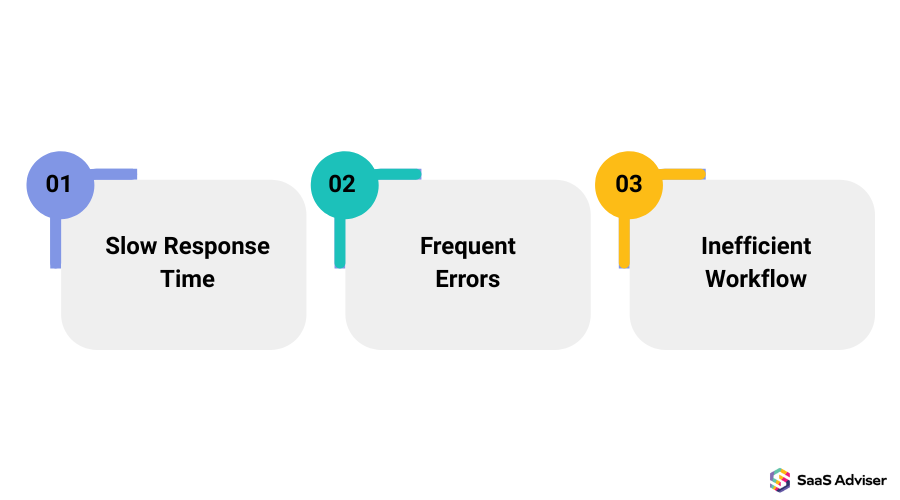
By default, Shopify does not allow merchants to add custom rates for different products, which makes it difficult for them to offer flexible rates, especially for B2B buyers. Moreover, there is no built-in process to manage quotations, so admins can’t easily collect or respond to pricing queries. This entire manual system becomes frustrating when dealing with large orders. Here are some of the most common challenges faced by Shopify admins while offering negotiated prices:
Slow Response Time
Without an automated quote system, admins highly rely on emails and manual calculations, which cause delays and frustrate B2B buyers. As most of the wholesalers require quick pricing updates, and when responses are slow, they move on to any other store. This creates a poor buying experience and increases the chances of customers switching to other competitors.
Frequent Errors
Manually calculating discounts or custom rates increases the chance of human errors and creates confusion for customers. For example, if a buyer orders 1000 units of any item and gets a 10% discount, a small mistake can give them 5% off, which might create a loss of trust and affect the buyer’s perception.
Inefficient Workflow
Handling thousands of quotation requests along with daily tasks makes it difficult for admins to manage the B2B sales. This slows down the order processing and makes it hard to keep track of all requests. For example, if multiple wholesalers place bulk orders at the same time, then admins might struggle to calculate prices, send quotes, and update records instantly.
The Easiest Way to Enable Negotiated Pricing on Shopify
The simplest way to enable negotiated prices for small business is by using the Shopify Request a Quote App. It provides you an automated system to manage quotes, set custom prices, and send email notifications for each update. There are numerous apps out there, but here to help you understand the process, we are using Shopify Request a Quote and the Hide Price App.
About the App
The Shopify Quote Request App allows you to hide product prices and add a “Request a Quote” button in place of them. You can simply collect quotation forms from B2B customers and allow them to fill them out along with essential details and attachments. You can also design quotation forms using 09 different fields. You can also approve, reject, or update the quotes manually and automatically. It allows you to automate the email process that updates the customer at any step, which can increase your store conversion and customer trust. Moreover, you can convert the quotes into an order.
Key Features to Look For in a Negotiated Pricing Tool
-
Hide the price of products and display the “Add to Quotes” button.
-
Customize the appearance of the Shopify quote form.
-
Easily upload the files.
-
Manage all quote requests through the admin dashboards.
-
Sending an automated email to update the customer at any step.
-
Admin can easily convert the quotes into the order as needed.
-
Support both guest users and logged-in customers.
-
Create a flexible rule to restrict the price based on customer type.
How to Implement Negotiated Pricing on Shopify (Step-by-Step)
Here’s the step-by-step process of implementing a quote request app in your store:
-
Go to the Shopify App Store
-
Install the Request a Quote App from the Shopify store
-
After installation, you can enable/disable the quotes button based on your needs.
-
Create a custom rule to hide the product price based on a specific customer.
-
Customize the quotes form by enabling/disabling the required fields.
-
Add custom fields to the form if you need to collect more information.
-
Enable/Disable the Email notification to update the customer at any step.
-
After applying all the modifications, perform the testing process by creating a sample for testing purposes.
-
Now you can launch this easily.
Best Use Cases for Small Businesses
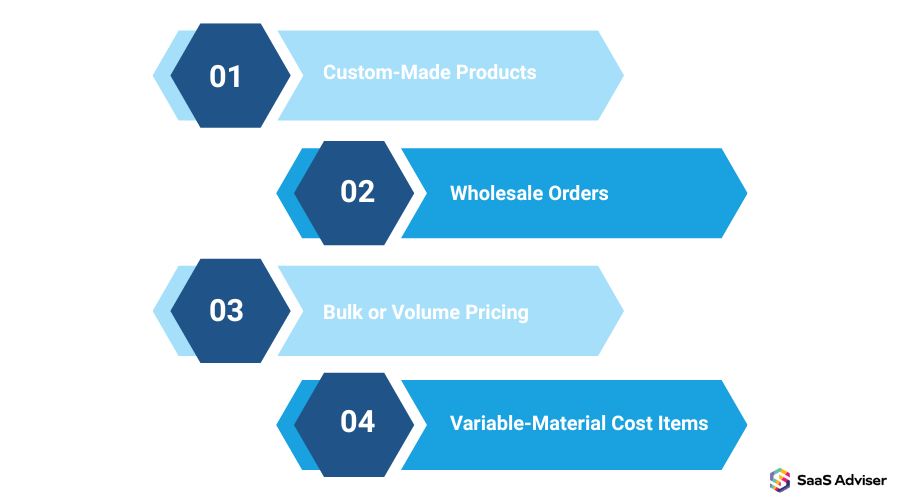
Negotiable prices mostly work in small businesses in the following areas:
-
Custom-Made Products: Used in those businesses that make the custom products or make products based on the demand of customers. So they decide the price according to the effort and materials. e.g., A clothing store offers to create a custom T-shirt by using the logos or images that are preferred by the customer. So their final price depends on those factors, like the quality of fabric, print size, and the number of shirts ordered.
-
Wholesale Orders: Use for those stores that sell the product in bulk, and they need flexibility for a better margin. e.g., A clothing store sells a large quantity of hoodies to a corporate client by offering a lower rate than the regular price.
-
Bulk or Volume Pricing: Perfect for those businesses that sell the products based on the quantity that the customer is willing to purchase. For example, in a cosmetics store, a single lip oil or skincare product has a standard price, but when a customer buys a larger quantity of the same item, the price is lower compared to buying just one unit.
-
Variable-Material Cost Items: This quote system is helpful when material costs don’t stay the same and change frequently. It can update your product page automatically without any manual effort. For example, a business that sells metal components or metal-packaged sheets whose price changes every day according to the market. The customer can ask for a quote, and once the seller receives the request, they will respond with current pricing before confirming the order.
Tips to Make Negotiated Pricing Work Better
-
Respond Fast: Fast replies can increase the chance of conversion. Due to the quick communication, most of the buyers make their decision on the same day, because quick responses play an important role in closing a deal. Additionally, you can also reduce the chance of connecting with a competitor.
-
Offer Tiered Pricing: Offer reliable prices and discounts for higher quality, which encourages the customer to increase the size of the order. This method especially works for wholesale buyers who want a discount for bigger commitments.
-
Save Pricing Templates: Save the templates without making the quote request form from scratch. It can save you time and speed up your response.
-
Use Automated Replies: Automate the email process to update the customer at any stage. With this, the email will be sent to the customer automatically when their quote is received, updated, approved, or rejected. It can reduce your manual work and also maintain the trust of customers.
Conclusion
Negotiated Pricing offers a way for smaller businesses to convert more bulk inquiries into confirmed orders by providing the ability to respond with flexible rates and quotes specifically for each wholesale customer, as well as creating a better overall buying experience. Most Shopify Quotation Apps have the majority of the heavy lifting regarding setup and automation, enabling smaller stores with minimal technical skills to offer this feature with minimal effort.
Buyers who know they can request a custom quote feel more confident about reaching out, especially when they are looking to purchase a larger number of items or when they have special requirements. This provides an opportunity to build trust, create open lines of communication, and reduce the likelihood of losing a potential order to a competitor.
If your goal is to increase conversion rates, strengthen relationships with your customers, and accommodate the volume purchasers, enabling negotiated pricing on your Shopify Store is one of the perfect and simple improvements that you can make.