
Best Wholesale Billing Software in
Are you looking for Wholesale Billing Software for your Business in ? SaaS Adviser brings you the best Wholesale Billing Software to ease your worries. In order to make your work smooth and swift, SaaS Adviser has compiled a list of the best software available. Compare the Best software features, pricing, free demo, and trial to select the best Wholesale Billing Software for your organization.
.jpg "Shubham") Researched and Written by Shubham
Researched and Written by Shubham
Top 3 Featured Softwares


List of Top Wholesale Billing Software

Get Free Consultation

Zoho Invoice is 100% free online invoicing software packed with all the essential features your small business needs to get paid faster. Using this robust software, you can create ...
View Profile
What is AFAS Software? AFAS Software is a Netherlands-based ERP (Enterprise Resource Planning) platform that helps organizations manage their essential business operations withi...
View Profile

Boekhouden is an accounting software designed to simplify financial management for businesses and freelancers. It offers comprehensive tools for bookkeeping, invoicing, tax...
View Profile

What is FreshBooks? FreshBooks is a cloud-based accounting and invoicing solution built for freelancers, small businesses, and service-oriented professionals. It enables users t...
View Profile

Shine.co

The financial co-pilot for small businesses
Shine' vision is to restore the joy of running a business, by ending wasted time on financial admin. By integrating our solutions into a single platform for invoicing, accounting, ...
View Profile

jortt
Stop bookkeeping! Start with Jortt.
What is Jortt?Jortt is a cloud-based accounting and invoicing software designed primarily for small businesses, freelancers, and entrepreneurs. It simplifies financial management ...
View Profile

What is SnelStart? SnelStart is a Netherlands-based cloud accounting and bookkeeping solution built for entrepreneurs, small businesses, and accounting professionals. It streaml...
View Profile
Ficus Technologies is a leading software development and IT consulting firm specializing in custom digital solutions for businesses across various industries. Founded in 2019 b...
View Profile

Rompslomp
Create your invoice for free with Rompslomp!
Rompslomp is a Dutch online invoicing and accounting software tailored for freelancers, self-employed professionals, and small businesses. It simplifies the process of ...
View Profile

What Is Clockwise? Clockwise is an AI-powered calendar management and scheduling platform designed to optimize how individuals and teams spend their time by intelligently organizi...
View Profile

Kleisteen is a cloud-based accounting software designed to help small and medium-sized businesses (SMBs), freelancers, and financial professionals efficiently manage their book...
View Profile

Silvasoft is a versatile, cloud-based business management solution designed to optimize and simplify administrative and operational workflows for small to medium-sized enterprises....
View Profile

Moneybird
Your bookkeeping. Done in a jiffy, with Moneybird
Moneybird is an online accounting software tailored for freelancers and small businesses to simplify financial management. It provides essential tools like invoicing, expen...
View Profile

Moss is an expense management software that helps businesses gain insights into finances in real-time. The platform enables administrators to automate and digitize spend, issue...
View Profile

QuickBooks is a widely used accounting software developed by Intuit. It is designed for small to medium-sized businesses to manage their finances, including tracking income and...
View Profile

What is Wave?Wave is a unfastened, cloud-primarily based accounting software program designed for small companies, freelancers, and marketers. It allows users to manipulate the...
View Profile

Airbase is a modern expense management tool that helps you automate your AP accounting. With Airbase, you can approve requests via email without even having to log into your accoun...
View Profile
Xero enables businesses to automate financial processes, reducing manual work and ensuring accuracy in transactions. With features like multi-currency support, bank feeds, and cust...
View Profile

Sage Accounting software is designed to provide small and medium businesses around the world with the information, insight, and tools they need to grow their businesses. With its s...
View Profile

Moonclerk is an easy to use recurring and one-time online payment system that is secure and convenient for users. With no technical skills or coding knowledge required, anyone can ...
View Profile

Table of Content
Find The Best Wholesale Billing System
The wholesale industry in India and across the world is set to undergo a transformation by the year 2025. This change includes the incorporation of digitized solutions for billing, stock, and customer account management.
Wholesale billing systems allow companies to invoice, manage GST, track inventory, and maintain buyer records on a single platform. This automation eliminates manual work, improves accuracy, and speeds up transactions.
Be it wholesale trade in FMCG, garments, electronics, or hardware, these wholesale businesses can achieve time efficiency and cost effectiveness when using specially tailored proprietary billing software. Such systems facilitate superb efficiency for large volume B2B sales, credit sales, and branch-office control in case of multiple locations.
1. What Is Wholesale Billing Software?
Billing Software for Wholesale is computer software that provides invoicing, inventory control, accounting, tax management, and customer account management for wholesale companies. It automates billing for large sales volumes, credit sales, and tax-compliant invoice generation with GST, HSN codes, and purchase orders embedded.
Unlike retail billing systems, wholesale billing software takes into account bulk and variable pricing, payment terms, credit limits, and payment schedules. Additional features supported include purchase and delivery challan, quotation, and buyer and supplier ledger maintenance.
2. Criteria For Selecting The Right Wholesale Billing Software
1. Inventory And Stock Management
Look for invoicing software that incorporates inventory management features such as stock movement, low stock warnings, batch control, and even warehouse-level management. This assists in maintaining appropriate stock levels. For this, you can use inventory software and stock management software.
2. GST And Taxation Compliance
The software must be capable of GST billing with HSN/SAC code inclusion, tax grouping, and automatic filing of returns. It must also be capable of e-invoice generation and credit notes in compliance with Indian legislation to reduce possible audit discrepancies. You can use compliance management software for the same.
3. Customizable Invoicing
Look for systems that allow invoicing in various formats with company branding, discounts, various prices, and units that range from boxes to kilograms and liters. Such versatility is crucial in meeting diverse customer and product needs. For this, you can use billing and invoicing software.
4. Customer And Supplier Ledger Management
Due to credit cycles, wholesale businesses should look for a tool that handles customer ledgers, payments owed, and credit limits as well as supplier payments to keep the cash flow in check.
5. User Access Control
Choose software with administrative functions to limit access for sales personnel, shop managers, and accountants. Role-based permissions increase efficiency and reduce system abuse.
6. Ease Of Use And Support
An intuitive interface with little to no training required ensures fast team onboarding. Also, see if they offer diaries and onboarding guidance, customer support, or training aids.
7. Multi-Location And Device Access
For businesses with multiple billing counters or warehouses, cloud-based software or networked systems that use PCs, mobiles, and tablets access data and sync across locations.
8. Reports And Analytics
Accounts billing software must provide real-time reports on sales, purchases, inventory stock levels, overdue payments, and profits. These reports enhance strategic decisions and performance monitoring.
9. Pricing And Licensing
Review the pricing model whether it’s a one-off license, pay-per-month subscription, or cloud access fee. Ensure updates, support, and backups are included. Opt for solutions aligned with your budget and forecasted business needs.
3. Conclusion
Choosing the appropriate wholesale billing software can optimize workflows and increase growth opportunities for the business. To check out and evaluate some of the best wholesale billing software that fits your needs, visit SaaS Adviser. Their reviews and comparisons of features help clients make informed decisions based on their billing needs and business goals.
4. Related Articles of Best Wholesale Billing Software
5. Choosing The Right Wholesale Billing Software
1. Identifying Business Needs
Create a scope of your billing concerns along with the areas of your operations that demand attention. Do you offer significant volumes of products? Do you provide credit facilities? Do you manage stock across multiple locations? Understanding your requirements aids in optimizing the tools relevant based on your business—FMCG, electronics, hardware, or even pharma.
2. Evaluating Features And Scalability
Examine invoice customization, tax features, stock level reporting, and even integration features. Also, check if the software can sustain and scale appropriately with the business—a growing number of users, warehouses, or online sales without the need for a system overhaul.
3. User-Friendliness
Your billing staff, warehouse employees, and sales personnel should be able to operate the software with little to no training. A clean design is mobile and easy to access and quick to set up, which in turn results in fast adoption of the system and minimizes delay errors.
6. Maximizing Profitability With Wholesale Billing Software Inside
1. Automated Invoicing
Automation of invoices helps in reducing expenditure and meeting deadlines; automating invoices promotes accuracy and timeliness. Prompt payments result in better management of cash flow. Particularly in wholesale settings where orders are frequent, automation assists in processing orders quickly and managing payment workflows efficiently.
2. Multi-Currency Support
Check to see if the dealer's invoicing system offers multi currency software billing capabilities as this makes transactions seamless in relation to international clientele. It helps to avoid conversion errors and makes dealing with international clients easy in relation to correct pricing and computations of values added taxes.
3. Custom Pricing Models
Pricing flexibility like setting discount prices based on the quantity ordered encourages wholesale buyers to take advantage of such opportunities while at the same time increasing profit margins for the wholesalers. Pricing strategies such as discounts for high volume orders and seasonal pricing enhance retention rates and increase average transaction value.
4. Inventory Management
Stock level alerts, minimized inventory holding costs, reduced obsolete items over time, and enhanced reorder level management to ensure that items are supplied during peak demand improve overall efficiency and drive profitability business margins.
5. Analytics And Reporting
Timely and detailed sales reports as well as those on product returns and taxation tend to drive a wholesaler's operational strategy from the most responsive. Identifying best and top sellers alongside best margin yielding products enables wholesalers to maximize their earning potential through optimal product assortment.
7. Latest Market Trends In Best Wholesale Software
The wholesale billing and invoicing software market size was at USD 4.3 billion in 2024 and is estimated to reach USD 13.1 billion by 2031.
-
Online And Offline Sales – eCommerce Management
The latest wholesale software bridges the gap between offline and online work. Numerous platforms now offer integrations with eCommerce marketplaces and POS terminals. This enables wholesalers to handle sales from websites, distributor orders, and retail sales from one interface, which simplifies order tracking and inventory management.
-
Strategic Inventory Management
There’s a growing shift toward predictive inventory planning. Newer systems provide demand forecasting, batch tracking, automated reorder, and alerts for expiry dates. These features assist businesses in managing dead stock, stockout situations, and making prompt purchasing decisions based on historical sales data and seasonal demands.
-
People First Values
There’s a growing shift toward user experience and team collaboration with software vendors. These wholesale software platforms are more supportive with no-training mobile, smart notification, and role-based access dashboards. With this, the objective of empowering sales workers, inventory controllers, and accountants for better collaboration is achieved.
-
Sustainability
Reporting from the back office has been streamlined by the reduction of paper used with the issuance of paperless billing and automated digital receipts. Real-time cloud reporting is also being adopted. Some of these platforms aid clients in measuring energy use, tracking transport route optimization, and reduction of excess inventory waste leading to supporting the greener supply chain practices.
8. Features Of Wholesale Invoice Software
1. Inventory Management
Effective billing systems monitor stock levels, batch and serial numbers, expiry dates, and warehouse movements in real time. It aids businesses in managing their orders and avoiding excess inventory so that products are available whenever they are needed. You can know more by reading our blog on the future of inventory management software.
2. Supply Chain Management
Purchase planning, order tracking, vendor management, and inward/outward movement logs are commonplace in wholesale software. This enhances coordination with suppliers, improves replenishment processes, and enables faster delivery cycles.
3. Analytics And Reporting
Automatic reports highlighting sales, customer billing, stock, and product profitability provide business owners with actionable insights. Business, tax, and growth dashboards provide proactive indicators and real-time cash flow snapshots, enabling informed decision-making facilitated by the analysis of liabilities.
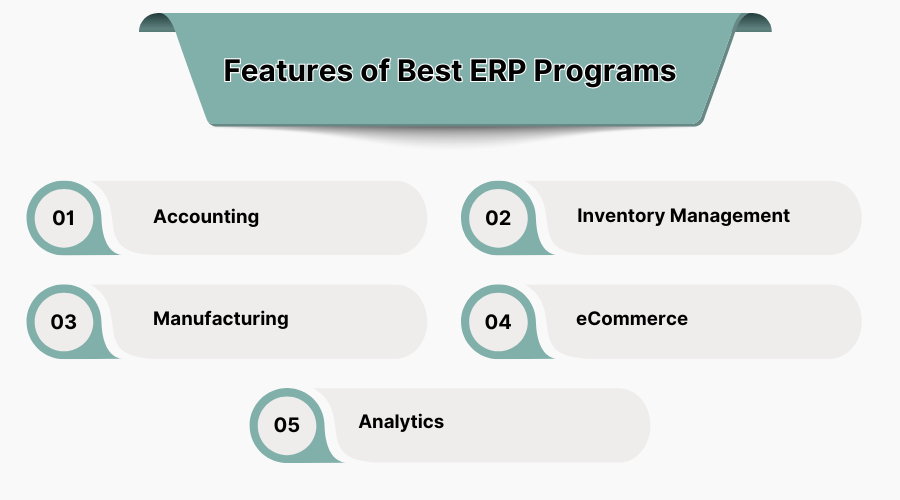
4. Customer Relationship Management (CRM)
CRM components capture customer details such as order history, payment terms, and outstanding balances which enables personalized pricing, streamlined follow-up procedures, and enhanced cross-transaction communication.
5. Scalability And Integration
In many cases, wholesale businesses evolve to multi-location or branch setups. In such cases, transaction volumes are significantly greater. The software should be able to scale to meet these demands and integrate with proprietary or third party accounting systems, barcode scanners, eCommerce platforms and mobile applications.
9. Five Best Wholesale Billing Software In USA
1. ZarMoney – Best for Inventory and Multi-User Access
ZarMoney is a cloud-based invoicing and accounting platform tailored for wholesalers. It offers strong inventory tracking, pricing customization, and multi-user collaboration.
Features:
-
Bulk billing and multi-currency invoicing
-
Real-time inventory management
-
Quote-to-invoice workflow
-
Custom user roles and permissions
-
Bank connection and expense tracking
Pros:
✔️ Supports large transaction volumes
✔️ Flexible for different billing scenarios
✔️ Cloud-based with fast data sync
Cons:
❌ UI may feel complex for new users
❌ No built-in CRM features
Pricing:
Starts at $15/month/user
2. Zoho Invoice – Best for Customization and Global Billing
Zoho Invoice is a part of the Zoho suite and is ideal for wholesalers who need customizable templates, recurring invoicing, and international client support.
Features:
-
Professional invoice templates
-
Recurring billing and payment reminders
-
Time tracking and expense management
-
Multi-currency and tax support
-
Integration with Zoho Books and CRM
Pros:
✔️ User-friendly with rich customization
✔️ Free for small businesses
✔️ Works well with other Zoho tools
Cons:
❌ Lacks advanced inventory features
❌ May not scale well for large warehouses
Pricing:
Free plan available; Paid plans start with Zoho Books from $20/month
3. FreshBooks – Best for Service-Based Wholesalers
FreshBooks is designed for service-focused businesses but also works well for wholesalers needing project-based billing, simple inventory, and time tracking.
Features:
-
Quick invoicing and client portals
-
Automated late fee and payment reminders
-
Mobile invoicing support
-
Expense and time tracking
-
Light inventory management
Pros:
✔️ Easy to use and mobile-friendly
✔️ Strong customer service
✔️ Includes team collaboration tools
Cons:
❌ Limited inventory features for large-scale wholesalers
❌ Not ideal for managing product batches or multi-location stock
Pricing:
Starts at $17/month (Lite Plan)
4. QuickBooks – Best for Accounting and Compliance
QuickBooks is one of the most trusted billing and accounting solutions in the U.S. It is highly used by wholesalers for GST/VAT handling and customer invoicing.
Features:
-
Bulk invoicing and sales receipt creation
-
Tax reporting and auto-calculated GST/VAT
-
Product-based inventory control
-
Income and expense monitoring
-
Integrates with POS and eCommerce systems
Pros:
✔️ Strong financial reporting tools
✔️ Built-in compliance and tax handling
✔️ Scalable across team sizes
Cons:
❌ Slight learning curve for beginners
❌ Advanced features require higher-tier plans
Pricing:
Starts at $30/month (Simple Start)
5. HoneyBook – Best for Small Business Wholesalers and Freelancers
HoneyBook is an all-in-one platform built for client communication, billing, and workflow automation—ideal for wholesalers running personalized or project-based businesses.
Features:
-
Customizable invoices and contracts
-
Workflow automation with reminders
-
Online payments and client portal
-
Lead capture forms and CRM tools
-
Real-time notifications and analytics
Pros:
✔️ Modern interface and mobile app support
✔️ Combines billing, contracts, and CRM
✔️ Great for creative and boutique wholesale businesses
Cons:
❌ Less suited for large inventory-based businesses
❌ No deep stock or warehouse features
Pricing:
Starts at $19/month (Basic Plan)
10. Benefits Of The Best Wholesale Billing System
1. Increased Efficiency
Reduction in paperwork as a result of manual work, automated tax calculations, and real-time stock updates speeds up transactions. Quicker invoicing and improved operational flow are additional benefits.
2. Improved Inventory Control
Through a wholesale billing system, businesses now have live inventory updates, alerts for low stock and warehouse level stock visibility. This prevents stockouts while managing reorder points and simultaneously reduces excess inventory—all in one dashboard.
3. Enhanced Customer Satisfaction
Improved customer experience results from accurate and quick billing, customized pricing, and punctual deliveries. Furthermore, the software management enhances communication with managed limits and order histories, thereby increasing customer relations transparency.
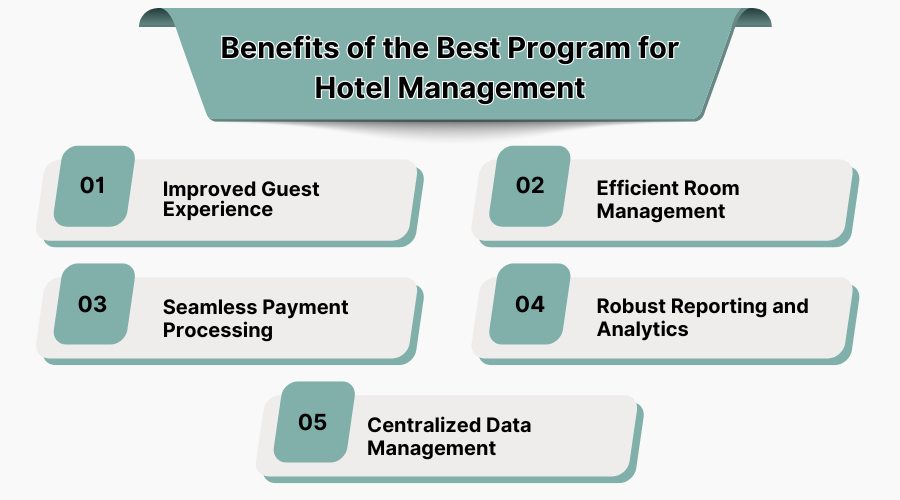
4. Cost Savings
A reduction in operational costs is achieved by lowering the system by error rates and improved resource management. There are also reductions in expenditures related to printing cut down and administrative tasks because of digital records.
5. Support For Omnichannel Operations
Sales from any channel can be accepted by businesses using a single system as modern wholesale billing tools integrate with eCommerce sites and POS systems, thus enabling cross channel order handling.
11. Challenges in Best Wholesale Billing Software
1. Inventory Shortage & Overstocking
The absence of accurate stock contemplating forecasts may lead billing systems to not notify users about low stock levels or excess purchases. This can lead to product shortages or dead stock accumulation which negatively affects client satisfaction and warehouse expenses.
2. Poor Visibility Into Product Profitability
Some systems do not allow detailed profit tracking per product, category, or customer, thus limiting visibility to understand where optimal revenue is generated and where margin underperformance exists, hampering pricing and purchase decisions.
3. Mismatch In Customer & Supplier Demands
In the absence of software synchronization with customer order patterns concerning their purchase planning, businesses may have a mismatch of overordering slow moving items and missing high-demand products. These result in supply chain imbalance and reduced sales opportunities.
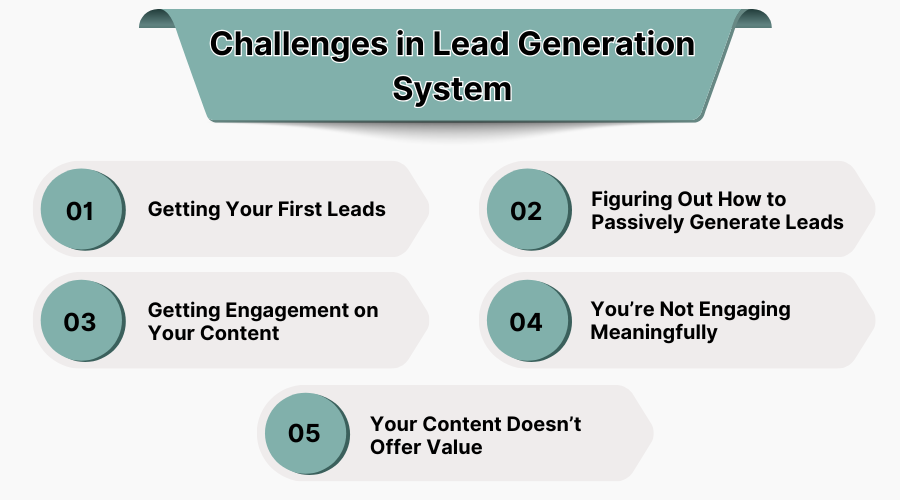
4. Profit Margins & Cash Flow
Cash flow can be negatively impacted by inaccurate billing of credit detail and payables. Lack of alerting or up-to-date ledger changes in real time concerning margin supports may lead businesses to delay collection processes, over-invest in stock, and therefore create tight margins straining cash flow.
5. Slow Growth
Cash flow can be negatively impacted by inaccurate billing of credit detail, poor tracking of receivables, and payables. Lack of alerting or up-to-date ledger changes in real time concerning margin supports may lead businesses to delay collection processes, over-invest in stock, and therefore create tight margins straining cash flow.
