.jpg)
.jpg "What is Lead Capture Software and Why Does Your Business Need It?")
All companies require a steady flow of new clients, and it begins with effectively capturing leads. But it is not that simple as just putting a contact form and letting them fill it. Consumers expect to have a friendly interactive experience, be it by visiting your site, arriving on a campaign page, or having your employees greet them at a trade show.
This is why the lead capture has become such a vital part of modern marketing today. The process of collecting the lead can be made easier, faster, and more efficient with the help of the right tools and techniques. Dynamic landing pages, instant forms, live chat, and even event-based applications are just a few of the numerous alternatives that businesses can use today to reach potential customers in real-time.
Looking For Lead Capture Software? Check out SaaS Adviser List of the Best Lead Retrieval Software for your Business

Here in this blog, we will discuss what lead capture software is, how it functions, and why it is important for your company. You will find useful steps to create a powerful lead capture form, find tips to maximize your process, and witness how the proper lead capture system can aid you in converting visitors into long-term customers.
What is Lead Capture Software?
Lead capture software is a program that is meant to assist companies in collecting and organizing data of prospective clients. Rather than using manual means, it automates the lead collection process, making it simpler to follow up and monitor every prospect who indicates interest in your products or services.
Consider it a smart lead capture system that is active across various channels. For instance, a lead capture landing page on your site, engagement pop-ups, or even trade show lead capture applications can all channel information directly into your system. This keeps the risk of losing great leads at bay and provides your sales team with correct information to work with at all times.
Besides recording details, most platforms also feature lead retrieval capabilities like enabling companies to easily find, filter, and rank leads for follow-up. Some even have pre-built lead capture templates and integrated lead capture services, so you can begin to gather high-quality information without requiring advanced technical expertise.
The best lead capture software is more than an information-gathering tool; it is the precursor to forging better customer connections and facilitating sustained growth.
Lead Capture Software Achieves This Through Various Methods, Including:
1. Customizable Forms
Forms remain the most commonly used way to collect customer information. You can select which fields to emphasize with an adaptable lead capture template, whether it is just a name and email or more detailed data. This simplifies the lead collection process for prospects, while you only collect the information you absolutely must.
2. Engaging Pop-ups
Pop-ups, when placed at the right time, are excellent attention grabbers. Rather than being intrusive, they can provide value—discounts, free ebooks, or newsletter subscriptions—engaging visitors to provide their information. When integrated with your lead capture software, these pop-ups are an easy win for conversions.
3. Interactive Landing Pages
A well-crafted lead capture landing page is constructed for one reason: converting visitors into leads. By having clean headlines, relevant CTAs, and images that emphasize your offering, these pages eliminate distractions and lead users to action. They’re one of the most effective ways to fuel your lead capture system.
4. Live Chat Integrations
Adding live chat or AI Chatbot makes the lead capture process feel more interactive. Rather than completing a static form, prospects can ask questions, receive immediate answers, and feel more at ease about providing their information in an online chat. This integration turns casual visitors into engaged leads.
5. Quizzes and Surveys
Both surveys and quizzes are interesting and powerful methods to gain insight. They don't only gather information, they generate interaction. By combining entertainment with value, the techniques enable companies to capture information while gaining insight into customer inclinations and making them a valuable component of a lead capture system.
How to Create a Lead Capture Form?
The best lead capture form is not one that just asks for the information and notifies you, but makes it easy, believable, and engaging to your audience. Below is a step-by-step guide:
.jpg)
1. Determine Your Goal and Target Audience
Every strong form starts with clarity. You need to know why you are collecting leads and with whom you are targeting before you even begin to design.
-
Define the purpose: Every form needs a clear goal. Be it newsletter subscriptions, free trials, or event sign-ups, knowing the objective will guide you to create it in the proper style.
-
Identify your audience: Who is it that you are designing the form for? The form will appear to be more relevant when the fields and language appeal to the needs of your audience, and they will want to fill it out.
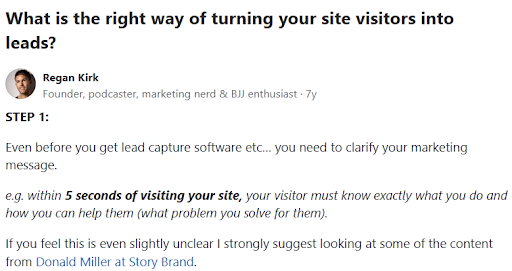
Reference Link: https://qr.ae/pC1Y09
2. Choose a Lead Generation Offer (Lead Magnet)
People are more willing to share their data if they receive something of value in exchange. Your lead magnet can be a promo code, a free eBook, or exclusive access to certain content, whatever is useful to your audience.
3. Design the Lead Capture Form
Your form's design is as important as the offer itself. A simple, elegant form instills confidence and encourages completion.
-
Headline: Short and to the point. An effective, benefit-focused headline tells them at a glance what they will get.
-
Form fields: Only ask for what you require. The fewer form fields you have, the higher the chances people will complete filling it out.

Do You Know?
Most individuals decide in a matter of seconds whether they'll complete a form or click away. A simple, uncluttered design with the bare minimum makes it much more probable that they'll fill it out.
-
Call to Action (CTA): Clear action verbs need to be used to guide the user, like Get Started, Download Now to create a sense of urgency.
-
Visual appeal: Make the form clean and easy to read. White space and an uncomplicated layout make it less intimidating.
-
Relevant images: Include images that enhance your offer as they help capture attention and make the form more interesting.
4. Consider Form Placement
Even the best form won’t perform if it’s hidden away. Place your form where it’s most likely to be noticed — on landing pages, blog sidebars, or at key points in your website journey.
5. Build Trust and Security
People won’t share their details unless they feel safe. Add trust signals like a privacy note, SSL security badges, or a line explaining how their information will be used.
6. Implement Technical Considerations
The best design in a lead capture form will still fail to work correctly unless it is optimized technologically. The attention to detail will provide the users with a pleasant experience and increase their chances of filling out the form.
-
Mobile optimization: This means that your form has to be compatible with any device, especially phones and tablets, since the majority of people are looking at their mobile phones.
-
Inline validation: Check back in real-time whether somebody entered something wrong so they can correct it without further delay.
-
Autofill: Users can save time by enabling autofill on the browser to complete some or most common details, like name or email.
-
Speed: Make sure your form loads quickly — a slow form can frustrate visitors and stop them from completing it.
7. Set Up Post-Submission Process
The interaction doesn’t end when someone hits “Submit.” What happens next is just as important.
-
Confirmation message/page: Show a quick thank-you and give them a clear idea of the next step.
-
Follow-up emails: Send a friendly welcome or helpful emails to keep the conversation going.
Pro Tip
You should always have a good follow-up strategy that goes hand in hand with your lead capture form. Leads are only the beginning; a cold lead can be turned into a lifelong customer by following up on it via email or phone call.
8. Test and Optimize
A form is never truly “finished.” Better performance is obtained through continuous improvement.
-
A/B testing: Experiment with various headlines, CTAs, or designs to determine what performs best.
-
Track performance: Monitor metrics such as form submissions and conversion rates so you can progressively get better.
Why Does Your Business Need Lead Capture Software?
With today's competitive business landscape, using old or manual means of gathering customer data can hold you back. The efficient lead capture system does not just ease the lead collection process but also enables you to make better decisions, enhance conversions, and establish stronger customer relationships. And the data is evidence of that — the market for lead capture software is already worth around USD 2.8 billion in 2025 and is expected to grow almost twice to USD 5.8 billion by 2035, at a consistent 7.4% CAGR. This expansion emphasizes how vital these instruments are for contemporary companies.
1. Improved Efficiency
Keeping track of leads manually is too time-consuming and can be subject to mistakes. With lead capture software, you can also automate this task and allow your team to concentrate on closing deals rather than pursuing spreadsheets.
2. Enhanced Lead Quality
It's not merely a matter of gathering names and email addresses; it is about gathering the right ones. With tools such as lead retrieval software, you can sort, score, and rank prospects so your sales force invests time where it matters most.
3. Increased Conversion Rates
Whether it is with a lead capture landing page or a trade show lead capture tool, companies can capture data in real time and follow up more quickly. This rapid response tends to create higher conversion rates and happier customers.
4. Cost Savings
Investing in the best lead capture software enables you to reduce manual errors, eliminate paper-based processes, and save wasted time. The outcome is a more streamlined, cost-efficient lead capture service.
5. Better Customer Insights
The information gathered by a structured lead capture system shows customer behavioral patterns and preferences. This understanding allows you to streamline campaigns, customize the contact, and increase customer interaction in the long term.
Looking For CRM? Check out SaaS Adviser List of the best CRM Software for your Business
6. Seamless Integration
Today's lead capture services don't operate independently; they interact with CRM, email marketing, and analytics software. This creates a smooth flow of information throughout your company, facilitating a more integrated and streamlined lead collection process.
Conclusion
Lead capture is more than just populating a database; it is about making a real business opportunity. Lead capture software done right eliminates the guesswork behind the lead collection process by providing you with smarter tools, improved organization, and effortless means of getting in touch with prospects.
From lead capture landing pages that interact with prospects to trusted trade show lead capture solutions, today's technology makes sure that no lead falls through the cracks. And with lead retrieval, integration, and pre-built lead capture templates at your fingertips, you can progress from data collection to meaningful relationships much more quickly.
Ultimately, the best lead capture software is not about technology; it's about growing your business efficiently, with trust, and with insight. To remain ahead of the game in a competitive marketplace, investing in high-quality lead capture services is one of the smartest things you can do.
Suggested Read:
- Best CRM System for Recruitment: Features, Benefits & Tools
- What to Look For in a Sales CRM For Your SaaS Startup (Insights From Founders)
- Choosing the Right CRM Integration Tool for Sales Teams
- From Local to Global: Best CRM Software for US Companies
- The Rise of AI in CRM: Transforming Customer Relationships in USA
- Cost-Benefit Analysis of CRM Software for USA Companies
- Why Do You Need CRM Software for Real Estate Business?
- What is the CRM Experience, and How Does It Contribute to Better CX?
- Transform Your Real Estate Business with CRM Software
- What Features To Look For In CRM Software?
- Integrating AI with CRM: Future-Ready Solutions for USA Enterprises
Make it simple, mobile-optimized, and simple to complete. Test different CTAs using A/B testing or create a lead capture template to determine which one will work best
It integrates with CRMs and email software to automate follow-ups. You can use lead retrieval to deliver specific content that draws leads nearer to being converted into customers.
Not at all. Most lead capture services are user-friendly and come with ready-made templates to get you started quickly.
The best lead capture software depends on your needs. Look for tools that combine lead retrieval software, analytics, and easy integrations.
Be transparent. Tell users how their data will be used and ensure your lead capture system follows GDPR or other local rules.