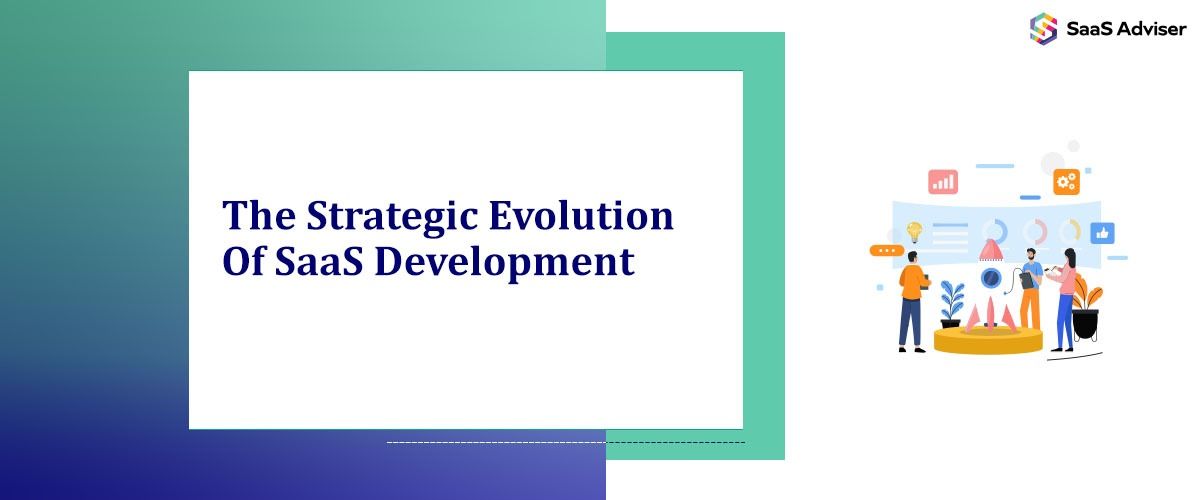
The world of software has moved through many phases. We have seen the era of physical disks and the rise of local installations. Today, we live in an era where software is a service that exists entirely in the cloud. Software as a Service, or SaaS, has become the dominant way that businesses and individuals interact with technology. In 2026, this model is the fundamental foundation of the global economy. Companies of all sizes now rely on web based tools to manage their finances, their customers, and their daily tasks. The shift toward this model happened because it offers flexibility and speed that traditional software can never match.
Building a SaaS product today involves more than just writing code. It requires a deep understanding of cloud infrastructure, data security, and user behaviour. The landscape has become highly competitive. Users expect applications to be fast, reliable, and intelligent. Developers must balance the need for rapid innovation with the need for stable systems. As we look at the current state of the industry, we see that the focus has shifted. It is no longer enough to offer a simple tool. Modern SaaS products must provide entire ecosystems that solve complex problems for specific groups of people.
The Core Benefits of the SaaS Model For Businesses
One of the primary reasons for the success of SaaS development is the recurring revenue model. In the past, software companies sold a product once and then had to find a new customer to keep growing. The subscription model changed that dynamic. Now, a company can build a relationship with a customer that lasts for years. This creates a predictable stream of income. Predictable income allows businesses to plan for the future with more confidence. They can invest in research and development because they know how much money will come in each month. This stability is a major draw for investors and entrepreneurs alike.
Another benefit is the ease of deployment. When a developer creates an update, every user gets that update at the same time. There is no need for users to download a new version or run an installation wizard. This ensures that everyone is using the most secure and most capable version of the software. It also reduces the burden on customer support teams. They do not have to help users with issues that were fixed in a previous version. This centralized control makes the software much easier to maintain over time.
Accessibility is a third major benefit. Because the software lives in the cloud, users can access it from any device with an internet connection. This has been essential for the growth of remote work. A team member in London can collaborate with a team member in Tokyo using the same platform. They see the same data in real time. This level of connectivity was difficult to achieve with old software models. It has democratized high quality tools, allowing small startups to use the same powerful software that large corporations use.
Emerging Trends in the SaaS Landscape
-
AI native applications: We have moved past the point where artificial intelligence is just an extra feature. Modern SaaS products are built with AI at their core. These applications do not just wait for a user to click a button. They proactively analyze data and suggest actions. For example, a project management tool might notice that a task is falling behind and automatically suggest a new schedule. It might even draft emails to the team members involved. This move toward autonomous agents is changing how we interact with software. The goal is to reduce the amount of manual work that humans have to do.
-
Vertical SaaS: In the early days of the cloud, most software was horizontal. This means it was designed to be used by anyone in any industry. Think of a general spreadsheet or a generic chat app. Today, we see more success in products that serve a specific niche. A company might build a platform specifically for pediatricians or for commercial construction managers. These tools come with features that are unique to those professions. They handle specific regulations and workflows that general software ignores. Because they solve specific problems very well, these companies can charge a premium and face less competition.
-
Micro SaaS: These are small software products that solve one very specific problem. Often, these are run by a single person or a very small team. They might be built as plugins for larger platforms like Shopify or Slack. Micro SaaS is attractive because it requires less money to start. The overhead is low, and the focus is narrow. This allows the creator to provide a level of personal service that a large company cannot provide. As the tools to build software become easier to use, more people are launching these small but profitable businesses.
The Technical and Business Challenges of SaaS
-
Data security
When you store sensitive information for thousands of customers, you become a high value target for criminals. A single breach can destroy a company. This is why security must be part of the development process from the very first day. Developers must use strong encryption and follow strict privacy laws. These laws are becoming more complex every year. Managing data across different regions requires a sophisticated legal and technical strategy.
-
Multi Tenancy
This is the architecture where a single instance of the software serves many different customers. Each customer’s data must be kept strictly separate from the others. If the system is not designed correctly, one customer might be able to see another person's information. This scenario is highly undesirable. Furthermore, if one customer uses a lot of processing power, it could slow down the experience for everyone else. Developers must find ways to balance resources so that the performance stays high for every user.
-
Churn
Churn is the rate at which customers cancel their subscriptions. In a SaaS business, losing customers is very expensive. It often costs much more to find a new customer than it does to keep an existing one. To keep churn low, companies must constantly provide value. They must listen to user feedback and keep the product fresh. If a competitor launches a better feature, users can switch very easily. There is no long term commitment in a monthly subscription, so loyalty is hard to maintain.
The Importance of Integration and Ecosystem Building
In 2026, no software exists in a vacuum. Users do not want to copy and paste data between ten different tabs. They want their tools to talk to each other. This makes integration a vital part of SaaS development. A good product must have a strong API. This allows other developers to build tools that connect to it. When a product becomes part of a larger ecosystem, it becomes much harder for a user to leave. The software becomes a central hub for their work.
Building an ecosystem also means thinking about the user experience across platforms. A user might start a task on their laptop and want to finish it on their phone while they are on the train. The transition must be smooth. The data must sync perfectly. If there is a delay or a bug, the user will become frustrated. Developers now spend a large portion of their time ensuring that the mobile experience is just as powerful as the desktop experience. The standard for design has never been higher.
Sustainability and the Cost of Cloud Infrastructure
The cost of running a SaaS business is often misunderstood. People think that once the code is written, the expenses are low. This is not true. Cloud hosting fees can be very high, especially for apps that use a lot of AI or process large amounts of data. As a company grows, these costs grow too. Developers must write efficient code to keep these costs under control. If the software is slow or uses too much memory, the hosting bill will eat into the profits.
There is also a growing focus on sustainability. Data centers use a massive amount of electricity. In 2026, many customers want to know that the software they use is environmentally friendly. Some SaaS companies are now choosing their cloud providers based on their use of renewable energy. They are also optimizing their algorithms to reduce the amount of computing power required. This is good for the planet and good for the bottom line.
Conclusion
SaaS development has reached a state of maturity. The initial excitement of moving to the cloud has been replaced by a focus on deep value and intelligent automation. The success of a product now depends on how well it integrates into the life of the user. It depends on the strength of its security and the intelligence of its features. While the challenges of competition and churn are real, the opportunities are even greater.
The future of this industry lies in specialized solutions. Whether it is a niche vertical product or an AI driven agent, the goal remains the same. Software should make life easier and businesses more efficient. As we move further into 2026, we will see even more innovation in how we build and consume these services. The developers who succeed will be those who can navigate the technical complexities while never losing sight of the human being at the other end of the screen. The cloud is no longer just a place to store data. It is the engine of the modern world.
The shift is driven by AI-native architectures, rising customer expectations for personalization, and the need for scalable, secure, and continuously evolving platforms.
AI is moving from a feature to a foundation, enabling automation, predictive insights, and smarter user experiences across SaaS products.
As user bases grow globally, SaaS platforms must handle high demand, multi-tenant environments, and real-time performance without compromising reliability.
Security is now a core strategy, with emphasis on data protection, compliance, and proactive threat detection to build trust and meet global regulations.