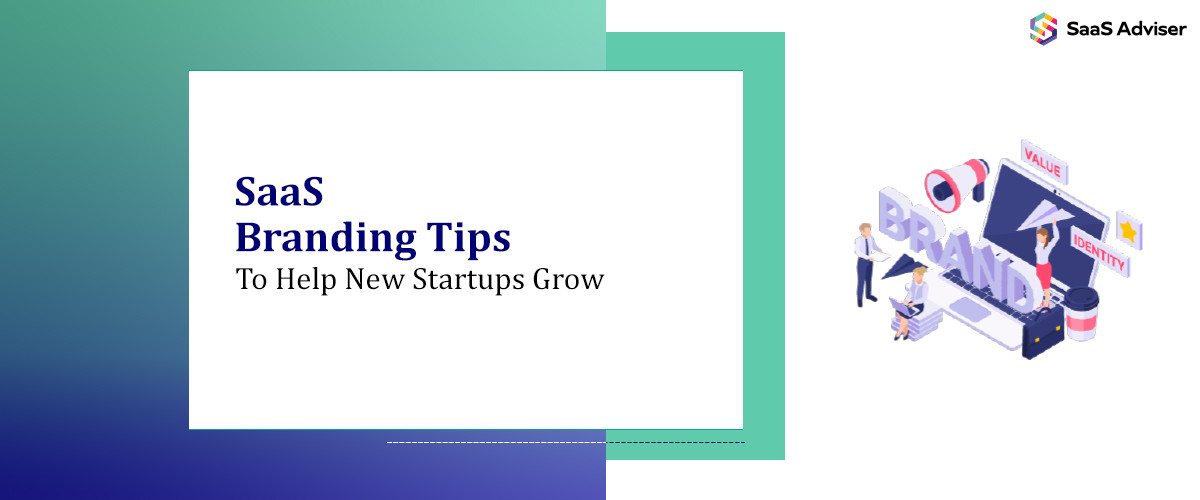
Startups are in a race to release the next great SaaS product in the fast-changing digital world. They aim to meet the specific needs of businesses and consumers, but there's one important point that many people overlook: strong software isn't enough. An imaginative and appealing brand is what turns a potential product into a market leader that everyone wants.
Branding is what sets successful SaaS companies apart from those that fail. It's not only the design of your product, but also the whole experience and identity, that affect users. Many marketers, investors, and founders who aim to grow their businesses recognize that effective branding is crucial for success.
Importance of Branding for New SaaS Companies

Branding influences how people perceive your SaaS product. And those feelings affect everything, from the number of people who join up to the amount of money a person will spend over their lifetime.
Branding is crucial in a subscription-based model because retaining users and building trust are the primary ways to generate revenue. A strong SaaS brand is important as it gives value, confidence, and reliability, helping people understand what you do.
A SaaS brand is not just a logo generator; in fact, it's a mental and emotional connection with your customers. It turns a tool into a tribe when done well.
Core Elements of a Winning SaaS Branding Strategy
1. Laser-Focused Positioning
Before you make any icons, ask yourself who you are assisting and what problem you are solving.
Clear positioning is the most important part of any successful SaaS branding. It tells us:
- Your target audience
- Their main problems
What Makes Your Solution Distinctive Or Better
When startups aim to appeal to "everyone," they often fail to appeal to anyone in particular. Your brand should have a clear emphasis. Think about how systems like Notion, Calendly, and Slack make their user persona evident and talk directly to them.
1. A consistent visual identity
Your brand's visual system should be easy to recognize and consistently applied across all touchpoints, including landing sites, dashboards, emails, and even bills.
The main parts are:
• A logo design that sticks in your mind
• A color palette with a purpose
• Fonts that fit your tone
• Style of illustration or icon
Visuals are important as they build trust, and people automatically associate trustworthiness and professionalism with them. Exploring effective prompts for AI logo generators can help designers and brands create cohesive logos that align perfectly with their visual identity.
2. Real Brand Voice
Your brand should have a clear and distinct personality on your website or blog, as well as in your products and customer engagement. To bring this personality to life across all touchpoints, working with a full-service branding agency ensures consistency in messaging, design, and strategy that strengthens your brand identity.
Think about this:
Are we fun and laid-back? Data-driven and professional? Daring and disruptive? Do we write short or long sentences or meaningful messages? Once you set your tone, keep it consistent across all platforms, whether on LinkedIn or elsewhere.
3. Branding = UX
Your brand is your product in SaaS. Your images for products and message should be eye-catching, keeping customers coming back to you again and again. Every interaction with your brand, from onboarding routines to feature access to customer support, adds to the perception people have of it.
Good branding makes sure that:
- Quick and easy navigation
- Clear calls to action
- Onboarding without any problems
- Helpful, kind feedback loops
Users are more inclined to stick around, tell their friends, and upgrade if the experience is smooth.
4. Content Marketing and Thought Leadership
• Strong brands do more than sell; they also teach, lead, and inspire.
• Put money into high-quality content that helps:
• Blogs and whitepapers that teach you anything
• Webinars and lessons for products
• Stories about how people in the industry use things
It not only makes you look more credible, but it also helps with SEO, fosters trust, and establishes your brand as the go-to authority in your field.
How Content Marketing Powers SaaS Growth is a good resource to check out (do-follow link).
5. Emotional Branding
Emotions matter in B2B SaaS. Visuals, stories, and customer reviews create emotional resonance, and people buy from these trusted brands.
Consider Slack’s early branding. It wasn’t just about channels—it was about making work feel more human, collaborative, and less stressful.
Your brand should tell a story that users want to be part of.
6. Building a brand around the customer
Great SaaS brands are made alongside their users, not just for them. Your consumer feedback is like gold for your brand, from early beta testers to devoted subscribers. To learn more, consider using surveys, conducting interviews, and engaging with the community or collaborate with a brand positioning agency to refine your strategy and strengthen your market presence. Tools like Vaizle AI can also help SaaS teams understand user behavior better by turning ad performance data into clear, conversational insights that refine brand messaging and customer communication.
- What people like about your product
- The words they use to talk about it
- How does it make their work and lives better
You should use this tone and language in your brand's messaging, testimonials, or on the text of your homepage.
7. Micro-Branding in the Product
SaaS products evolve rapidly, with new features being added frequently. Think of these updates as mini-branding events.
For instance:
- Name significant features after well-known brands, like HubSpot's "Workflows" or Trello's "Power-Ups."
- Use animations or onboarding screens with your brand name
- Add small things that make people happy, such as humor in empty states or tooltips.
These little moments help people remember things and feel more connected to your business.
8. Growth Led by the Community
Your user community is a valuable branding tool that people often overlook. Notion, Figma, and Webflow are all excellent examples of SaaS startups that have excelled in this area.
You should set up such platforms, programs, or groups where customers can interact, give reviews, and attract new customers.
Communities with brands help:
- Start organic referrals
- Get feedback loops
- Strengthen your brand's culture and mission
Differentiate Your Brand by Its Purpose

People want to support brands with principles more than ever. What does your SaaS startup stand for besides making money?
Aligning your brand with a greater purpose may build trust and emotional loyalty, whether that mission is sustainability, remote work, AI ethics, or diversity in tech.
You don't have to become a political brand to do this. It involves showing the 'why' behind your 'what'. Basecamp's belief in quiet work or Buffer's culture of openness are two examples of how the brand is defined by its principles as much as its products.
When to Hire a SaaS Branding Company
Branding may be a lot to handle, especially when you're trying to launch an MVP, get funding, and prove the market. That's where a branding agency that works with startups comes in. These groups bring clarity, a plan, and creative energy. They aid SaaS startups that are just starting:
- Set the main message
- Make brand systems that can grow
- Ensure your branding aligns with how users behave and your market position.
- Draft an operating agreement early to outline who does what and how decisions are made
If your present brand isn't clear, doesn't fit together, or isn't memorable, it might be time to get expert help to rebrand. The right agency will make materials and messages that fit with the value of your product and the needs of your audience.
Common SaaS Branding Mistakes to Avoid
Avoid these common mistakes when branding your SaaS:
- Not doing research: Don't guess what your audience wants; ask them.
- Messages that aren't clear: confused users don't convert.
- Too much clutter in your visual identity: Simplicity makes things clearer and develops trust.
- It's okay to be inspired by your competition, but your brand needs to be different.
Final Thoughts
In today's crowded SaaS market, the best brand often wins, even if it doesn't have the best product.
Branding is what connects your product, your people, and your promise. Startups that invest in clear, consistent branding early on develop stronger relationships, attract more customers, and grow with a plan.
Make branding a top priority, not an afterthought, whether you're launching your MVP or preparing for Series A. The effect can be seen and measured.