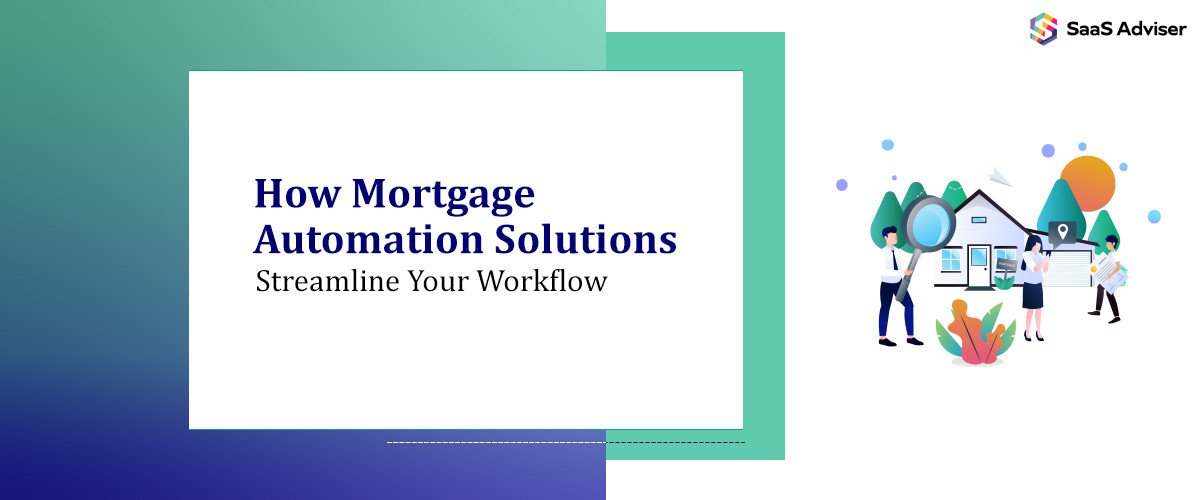
No matter how you go about it, the mortgage industry is changing, and as such, demands from companies to deliver the same level (or even higher) efficiencies with processes. During this transition, mortgage automation solutions have become the fundamental step in the process. In this post, we'll tell you all the benefits of mortgage automation and how it can help your business. It will also give you more valuable insights, so read on.
Pros of Using Mortgage Automation Solutions
Over the years, more businesses have relied on mortgage automation solutions. These solutions improve productivity by reducing time and mistakes by using technology within traditional systems. Other pros of such solutions are discussed below.

-
Enhancing Efficiency
Mortgage automation solutions help drastically minimize the time and effort needed for repetitive tasks. Many manual tasks include repetitive operations like entering data and verifying documents. Professionals can perform more strategic responsibilities by automating these tasks, creating a more productive workforce. Platforms like Bryt help lenders automate these repetitive workflows, ensuring teams can focus on higher-value lending decisions instead of manual data entry.
In addition, automation reduces time delays in the mortgage process. These systems escalate the information flow, thus making faster decisions and response times possible. This increases the function's internal efficiency and makes customers happy.
-
Reducing Human Error
The human aspect can create major obstacles for mortgage processing. Incorrect information and data entry can lead to errors that can cause delays and higher costs. Automation solutions can avoid such errors, as processes become standardized and less prone to hiccups.
Automated validation checks help systems catch abnormalities at the initial stage. This proactive approach avoids escalation, which saves time and resources. Additionally, tracking becomes simpler, making conformity with industry regulations much easier.
-
Refining Customer Experience
Offering an unparalleled customer experience is essential to standing out in the very competitive mortgage landscape. Automation is a big part of this strategy. This ensures clients save time and have quicker approvals with shorter waiting times. Such speed not only gives the impression but also earns the customers' trust.
Automation enables communication tools to automatically send timely updates to clients, such as automatic alerts when current mortgage rates reach their target range or adittional documentation is required for their loan application, so that they know what is going on at all times. This is done via emails or notifications, which bring transparency and ensure that the customers are updated about everything. It allows you to provide more personalized services, which improves the client relationship.
-
Facilitating Scalability
With the growing business demand, operational functions also increase. Automation is scalable and can adjust to a company's constantly rising demand. A large number of applications are managed, and when the system handles them, it does not cause slowdowns.
Scalability can also integrate with other techs. Many automation solutions can be seamlessly integrated with existing systems, boosting their functional capabilities. This provides flexibility because businesses do not need to rebuild their entire infrastructure to scale up.
-
Cost Savings
Automation offers a powerful way to reduce operating costs and improve efficiency. Businesses can streamline operations and allocate resources more effectively by minimizing reliance on manual labor. This reduction in day-to-day expenses strengthens the bottom line, creating room for reinvestment in areas like innovation, staff development, or customer service.
Lower operational costs also enhance overall profitability and long-term sustainability. Ultimately, integrating automation isn’t just a cost-cutting strategy—it’s a smart financial move that can support broader business growth and competitive advantage.
In addition, automation minimizes training requirements. They are convenient to utilize, and employees can quickly adopt new systems. So, the user-friendliness decreases the costs related to onboarding and training even more.
-
Ensuring Compliance
The mortgage market is still looking to comply with a lot of rules and regulations. Automation solutions will allow you to stay compliant with industry regulations and avoid any illegal actions. Compliance issues and penalties can be significantly reduced by automating compliance steps.
They further keep audit trails for every stage of the process. This transparency brings the accountability needed for every action taken under this system, which makes the audits and inspections quite convenient. It also assists in keeping up with regulatory changes so that compliance can be met continuously.
-
Enhancing Data Security
It is vital that confidentiality be safeguarded in any business. Automation solutions are equally effective at protecting security from data being stolen and unauthorized access. Data confidentiality is ensured through encryption and secure access control mechanisms.
Automated systems also create periodic backups and minimize loss of data from technical malfunctions. By ensuring the integrity of the data, organizations also create trust with their clients and partners. As a result, this security secures the interests of the business plan and brings peace of mind.
How Automation Supports Remote Mortgage Teams
As hybrid and remote work become standard in the mortgage industry, automation helps teams stay connected and productive, regardless of where they work. Centralized automation platforms allow employees in different locations to access, update, and manage loan files in real time, without the delays that come with scattered communication.
With automation, there’s no need to wait for someone to send files or track progress via spreadsheets manually. Team members can access shared dashboards, see the current status of every loan, and get alerts when action is required. Cloud-based document handling ensures everything is securely stored and accessible from anywhere, eliminating bottlenecks caused by physical paperwork or office-bound tools.
Automated workflows also support consistent communication among departments. For example, once a client uploads the required documentation, the system can automatically notify the underwriter, trigger a checklist, or schedule a review. This level of coordination is difficult to maintain through email alone, but it’s built into most automation systems.
For companies with remote teams, this means fewer miscommunications, faster approvals, and a smoother client experience. Ultimately, it keeps your business running efficiently, even when your people are miles apart.
Real-World Use Cases: What Automation Looks Like in Action
To understand the value of mortgage automation, it helps to see how it works in practice. Consider the typical loan origination process: an applicant submits documents, a loan officer verifies them, an underwriter reviews the file, and multiple back-and-forths delay progress. Each manual step adds time and risk.
With automation, much of this can run on autopilot. For example, once a borrower uploads documents, the system instantly extracts data using OCR and checks for completeness. If something’s missing—like a signature or proof of income—it triggers an automatic alert to the borrower with simple instructions. No one has to send emails manually.
In underwriting, automated tools can pre-check credit, flag risky income patterns, and pre-fill required forms. The underwriter simply reviews exceptions, saving hours per file. Some firms report that automation cuts their average processing time by up to 40%.
These small improvements add up. Over weeks and months, they create a faster, more consistent mortgage pipeline—freeing up staff to focus on more complex or high-value client needs.
Overcoming Adoption Challenges
Despite the benefits, some mortgage teams hesitate to adopt automation due to fears about complexity, job displacement, or compatibility with existing tools. But these challenges are more manageable than they seem—and automation often makes work easier, not harder.
Start by involving your team early in the selection process. When people understand how automation supports their role, not replaces it, adoption becomes smoother. Many firms begin with a pilot program in one department, gather feedback, and expand gradually. This gives teams time to adapt while building internal advocates.
Training also matters. Most modern systems offer intuitive dashboards, guided tutorials, and support teams who can onboard staff in just a few sessions. Look for platforms that offer sandbox environments where teams can explore the tools safely before going live.
Finally, remind your team that automation isn’t about eliminating jobs—it’s about eliminating friction. It removes tedious work so people can focus on the parts of their job that require strategy, care, and human connection.
Future-Proofing Your Business With Intelligent Automation
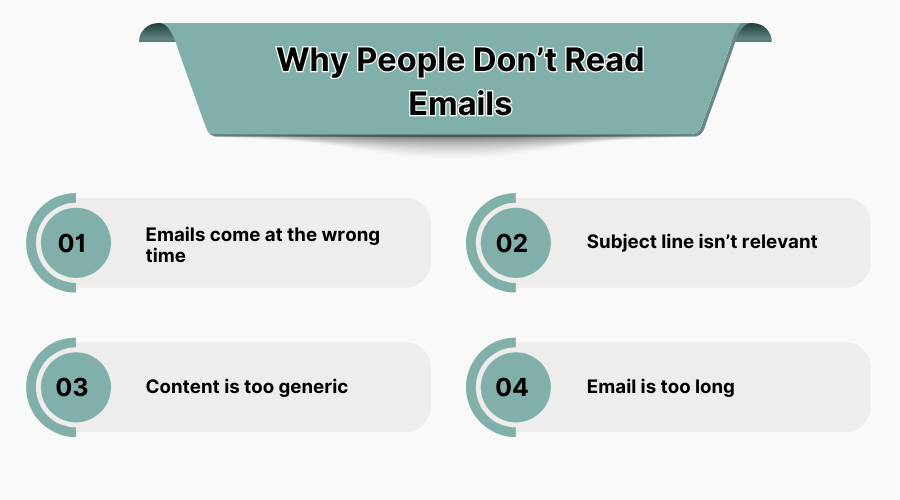
Mortgage regulations shift, consumer expectations evolve, and competition keeps rising. That’s why today’s automation tools are built not just for efficiency, but for adaptability. Intelligent automation learns and improves as your business and the market change.
Many modern solutions now use AI and machine learning to go beyond repetitive task automation. They detect unusual document patterns that could signal fraud, recommend updates to keep you compliant with new regulations, and highlight process inefficiencies before they become bottlenecks.
For example, some platforms can analyze past loan data and predict which applicants may face delays, allowing your team to intervene proactively. Others monitor lender performance and suggest where to redirect tasks for faster turnaround.
This kind of forward-thinking technology means you're not just reacting—you’re anticipating. As mortgage tech evolves, early adopters of smart automation will have a distinct edge. They’ll be faster, leaner, and more responsive to both clients and regulators.
In a rapidly digitizing industry, intelligent automation is less of a competitive advantage and more of a survival tool. It future-proofs your workflows so you can scale without stumbling.
Conclusion
There are some advantages of mortgage automation solutions for businesses that want to streamline their workflow. Be it enhancing the intermediation process or coordinating with regulatory protocol, these systems assist conventional processes in turning into functional systems. This allows companies to attend to their bottom line while offering the best service to their clients by embracing automation. As the industry progresses, it will be increasingly important for the quality and competition to implement these solutions.