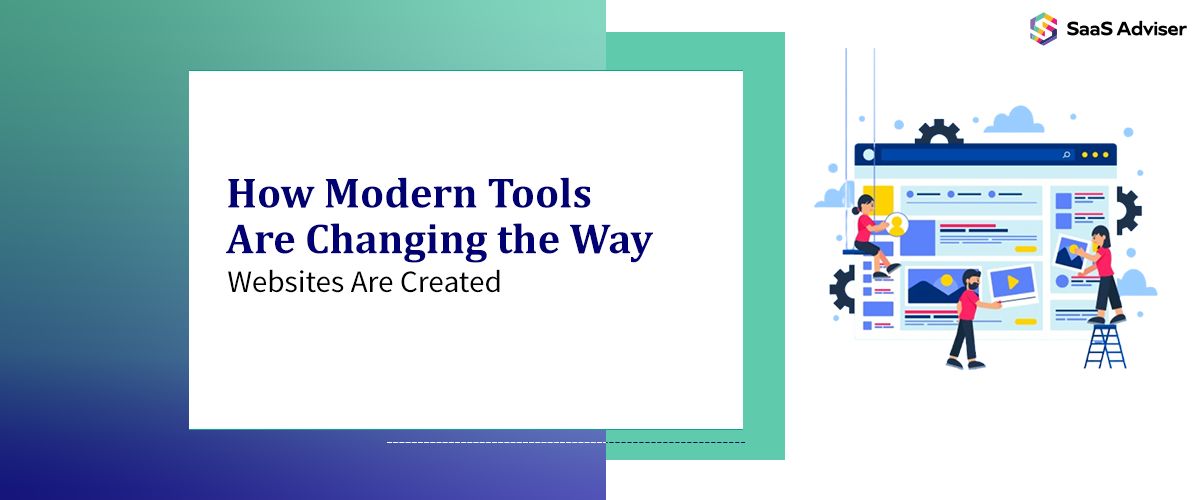
Have you noticed that building a website no longer feels scary?
There was a time when even thinking about it felt stressful. You had to worry about hosting, design, code, and content simultaneously, often without knowing where to begin. And making even the smallest change was rarely simple. A minor tweak to a button or a headline could trigger long email threads, delays, and significant waiting. Sometimes weeks passed before a single update finally went live.
That experience is almost unrecognizable now.
These days, you can open a tool, start with an idea, and see a real website taking shape within hours. Not a mockup. Not a rough draft. An actual site that people can visit. That shift did not happen by accident. It happened because the tools quietly got better and easier to use.
And once the tools changed, people changed too.
There is a number that really puts this into perspective. More than 70 percent of new business websites today are built using visual or assisted tools instead of being written line by line. That explains why website creation feels less exclusive now. You no longer need to be deeply technical to bring something online. You just need a clear idea and the willingness to start.
This is not really about technology. It is about confidence.
-
Websites Used to Feel Fragile
Back then, websites felt delicate. Touch the wrong thing, and something breaks. That fear shaped how people worked.
Layouts were rigid because no one wanted to experiment. Design choices were limited because changing them later felt risky. The goal was usually just to make the site function.
Now the feeling is very different.
Building a website today feels closer to putting thoughts on paper. You move things around. You try a different layout. You undo it if you do not like it. Nothing explodes. Nothing disappears.
When fear leaves the process, creativity shows up almost automatically.
-
Speed Changes Everything
When building something takes a long time, every decision feels heavy. You overthink. You hesitate.
Modern tools remove that weight. When you know you can update a page in minutes, you stop stressing over every detail. You launch something simple and improve it over time.
That shift alone changes how people approach websites. They stop chasing perfection and start learning from real feedback.
For solo creators especially, speed matters more than people admit. When progress is slow, motivation declines. When progress is visible, momentum builds. Modern tools help sustain that momentum.
-
Design Feels More Approachable Now
Good design used to feel like a secret skill. Either you had it, or you did not.
Today, tools gently guide you. They suggest layouts that already work. They help with spacing and alignment. They do not tell you what to do, but they stop you from making obvious mistakes.
That support gives people confidence. You are not guessing blindly anymore.
This is why even small websites today often look clean and intentional. The quality bar has gone up, not because everyone became a designer, but because the tools quietly taught better habits.
-
Working Together No Longer Feels Painful
Anyone who has worked on a website with a team knows how messy it used to be.
Different versions. Confusing feedback. Someone edited the wrong file. Someone else is waiting for changes.
Modern tools have addressed much of that without making a big deal about it. Everyone works in the same place now. Comments sit next to the content. Changes appear instantly.
When people can see what is happening, collaboration feels natural. Less explaining. Less waiting. Better results.
-
Content is Easier to Live With
Older websites felt frozen. Once something went live, changing it was so inconvenient that people avoided it.
Now the content feels flexible. You move sections. You test different wording. You update things when your thinking changes.
That flexibility matters because ideas change. Businesses evolve. People learn what works only after something is live.
Modern tools make it okay to change your mind.
-
Smart Help Without Losing Your Voice
Many tools now offer built-in assistance. They help clean up layouts. They suggest better spacing. Some even help with writing.
The good ones never feel pushy.
You stay in control. You decide what fits and what does not. Beginners feel supported. Experienced creators save time.
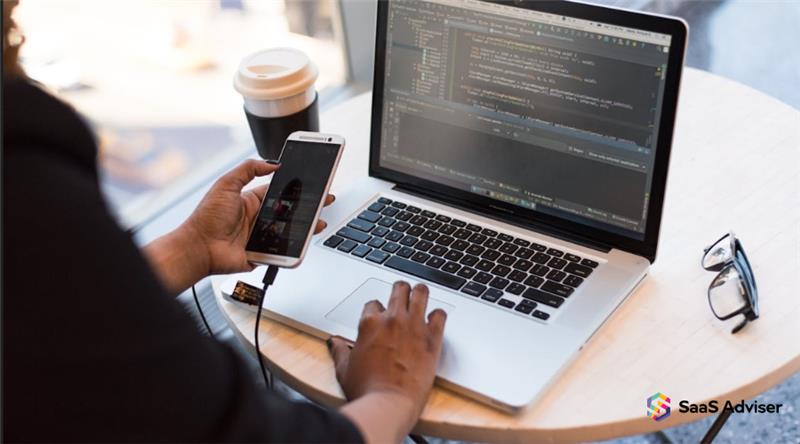
When people search for the best AI website builder, this balance is usually what they want. Not something that takes over, but something that helps quietly in the background.
-
Developers Are Still Essential
Despite all the automation, developers are not going anywhere.
What has changed is how they spend their time. Instead of repeating setup work, they focus on building websites that are fast, reliable, and scalable.
They also help teams work better together. Visual tools let developers safely open parts of the site to non-technical teammates without risking stability.
That makes everyone’s job easier.
-
Speed is Expected Now
People no longer tolerate slow websites. If a page takes too long to load, they leave.
Modern tools handle most performance work behind the scenes. Images load properly. Pages respond quickly. Hosting adjusts when traffic spikes.
Users may not notice these details directly, but they definitely feel the difference.
-
Lower Cost Changes Who Gets to Build
Cost was once a major barrier. Many ideas never became websites simply because they were too expensive.
Now, many tools bundle everything together at a reasonable price. That lowers the risk of trying something new.
When risk declines, creativity increases. More people experiment. More ideas make it online.
That is good for the web as a whole.
-
Websites Grow Instead of Aging
In the past, websites aged quietly, and people avoided making updates because they felt like extra work. The website builders market size was valued at USD 1,884.66 million in 2024 and is projected to reach USD 3,395.31 million by 2032, growing at a CAGR of 7.69% from 2025 to 2032.
Today, small updates happen more frequently. Content keeps evolving, and design improves step by step. Websites feel more alive, more responsive, and more human.
-
Responsibility Still Matters
Easier tools do not remove responsibility.
Creators still need to think about privacy, clarity, and accessibility. Tools can help, but values still guide choices.
The best websites are not just easy to build. They are respectful and honest.
-
Choosing Tools That Fit You
There is no perfect tool.
Some people want speed above everything else. Others want flexibility. Some want a balance.
The important thing is choosing tools that fit how you think and work. Try them. See how they feel.
Some people look for the best ai website builder to move fast. Others want deeper control. Both approaches make sense.
What This Really Comes Down To
You know what is interesting? Modern tools have changed who even thinks about building a website anymore. It is not just developers or designers now. It is founders, creators, side project builders, and people who are just curious and want to try something. Building a website no longer feels like an exclusive skill.
A lot of the scary parts are gone. You do not need to understand everything upfront. You can open a tool, play around, and figure things out as you go. Ideas stop sitting in your head and start turning into real pages you can actually show people.
What really stands out is how normal the process feels now. You can start small, make changes as needed, and adjust based on how people respond. There is no pressure to get it perfect on day one. A website becomes something you grow over time, rather than something you finish and never touch again.
For creators, founders, and small teams, this fits better with how they already work. You try something, see what happens, and improve it. No long waits. No complicated steps. Just steady progress.
When you zoom out, this is great for the internet as well. More people are building. More ideas are being shared. More experiments are happening. When building feels easy, people are more willing to jump in.
Ultimately, these tools are not about shortcuts. They just make starting feel less intimidating. They let you move forward, tweak things, and keep going without overthinking every step.
That is the quiet shift underway behind many of the websites you see today.
No, you really don't. The majority of website tools available today are designed for novices. You can begin even if you have no coding knowledge. You simply experiment, rearrange items, and correct anything that seems off. Technical skills may be beneficial later on, but they aren't necessary to start.
Websites today are much more flexible. You can edit text, move sections, or update layouts anytime you want. Platforms like Rocket.new make this easy, so you can make changes without delays or needing help every time.
No. They genuinely assist. When you aren't afraid to break something, you explore more concepts. You test things, implement adjustments, and discover what succeeds as you progress.
Select something that seems simple to operate. If it aids your speed and doesn’t create confusion, it’s a solid option.