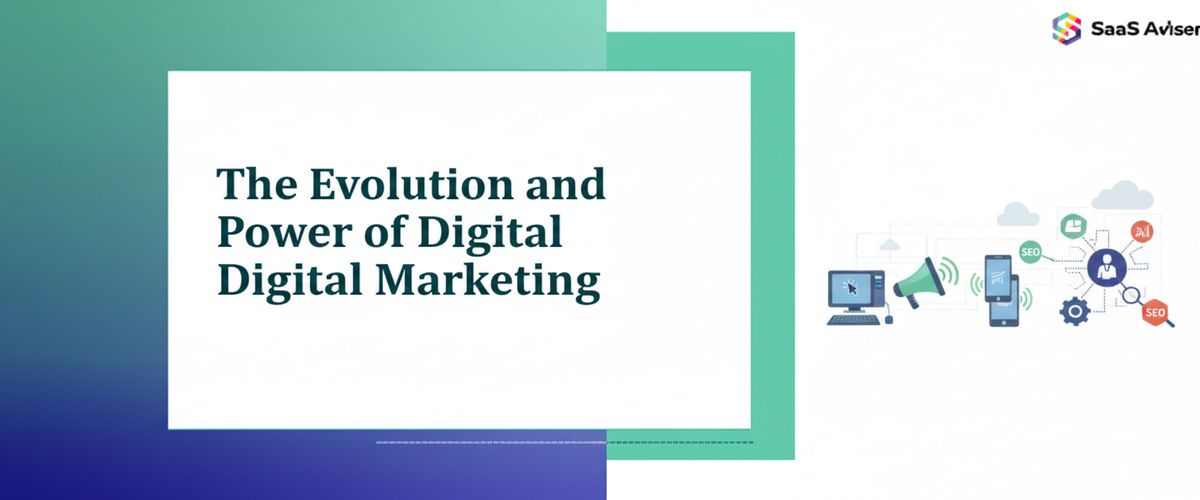
In the last decade, digital marketing has evolved from an experimental concept into the backbone of global business strategy. As consumers increasingly rely on the internet for information, entertainment, and shopping, businesses must adapt or risk being left behind.
Digital marketing encompasses a broad range of strategies from search engine optimization (SEO) and content marketing to data analytics and automation all designed to help brands reach, engage, and convert audiences effectively.
This article explores how digital marketing has changed, which strategies are most effective today, and why technologies like a usa residential proxy have become vital tools for marketers who want accurate insights and enhanced privacy in their campaigns.
1. The Transformation of Marketing in the Digital Era
Before the internet, marketing was a linear process. Brands pushed messages through television, print, or radio, hoping to influence buyers. However, this traditional approach lacked precision and measurable results.
Digital marketing changed everything. It replaced one-way communication with interactive engagement. Consumers can now research, review, and even directly converse with brands before making a purchase.
The rise of social media, e-commerce, and mobile technology shifted power from companies to consumers. Instead of marketing at people, successful brands now market with people building relationships through valuable, personalized experiences.
2. The Core Foundations of Digital Marketing
Digital marketing thrives on interconnected strategies. Each channel plays a unique role in attracting, nurturing, and converting audiences.
1. Search Engine Optimization (SEO)
SEO is the foundation of online visibility. By optimizing a website’s structure, content, and performance, businesses can increase their ranking in search engine results pages (SERPs).
Effective SEO involves:
-
Keyword research: Understanding what users are searching for.
-
Technical optimization: Improving site speed, mobile compatibility, and security.
-
On-page SEO: Creating content with relevant keywords, headings, and meta tags.
-
Link building: Earning backlinks from reputable websites to boost authority, or partnering with a leading SEO agency in Auckland to boost authority and overall online visibility.
In 2025, search algorithms favor user experience and content quality over keyword repetition, rewarding websites that deliver genuine value.
2. Content Marketing
At the heart of every successful digital strategy lies content. Whether through blog posts, videos, podcasts, or infographics, content marketing allows brands to tell stories, solve problems, and build trust.
The key to effective content is consistency and audience understanding. Marketers must know what their audience cares about and create materials that answer questions or provide insight.
High-performing content often follows these principles:
-
Clear purpose (inform, inspire, or entertain)
-
Credible sources and original perspectives
-
Visually appealing formats
-
Calls-to-action that guide users toward conversion
Quality content not only supports SEO but also fuels social media, email marketing, and advertising campaigns.
3. Social Media Marketing
Social media has become the heartbeat of modern communication. Platforms such as LinkedIn, Instagram, Facebook, TikTok, and X (formerly Twitter) allow businesses to engage audiences in real time.
Each network serves a distinct purpose:
-
LinkedIn: B2B networking, professional insights, and thought leadership.
-
Instagram/TikTok: Creative storytelling and visual branding.
-
Facebook: Community building and event promotion.
Successful social media marketing emphasizes authenticity. Today’s consumers value transparency and genuine interaction more than polished advertising. Posters remain a powerful visual tool that complements digital strategies by reinforcing brand messages in physical spaces and capturing attention in high-traffic environments.
4. Pay-Per-Click (PPC) Advertising
While organic growth takes time, PPC advertising delivers immediate visibility. Platforms like Google Ads, Meta Ads, and LinkedIn Ads allow marketers to bid on keywords or audience segments, displaying targeted ads to relevant users.
PPC’s strength lies in its data-driven precision. Every click, impression, and conversion can be tracked and optimized in real time. With careful monitoring, brands can maximize ROI and eliminate wasteful spending.
5. Email Marketing
Email remains one of the most powerful digital marketing tools. Despite the rise of new channels, it offers direct communication with customers who have already expressed interest in your brand.
Through segmentation and automation, marketers can personalize messages based on behavior and preferences sending welcome sequences, product recommendations, or exclusive offers.
Email marketing’s cost-effectiveness and high return on investment make it indispensable for long-term engagement.
6. Influencer and Affiliate Marketing
In the age of social proof, influencers play a critical role in brand storytelling. Partnering with influencers who align with a company’s values builds trust and credibility.
Similarly, affiliate marketing allows individuals or organizations to promote products in exchange for a commission. It’s a performance-based approach that rewards results rather than impressions.
Both strategies depend on authenticity; audiences are quick to detect insincere endorsements.
3. The Data Revolution in Digital Marketing
Data is the currency of digital marketing. Every interaction a website visit, social click, or email open generates valuable insights.
Analytics tools allow marketers to measure campaign effectiveness, track user behavior, and refine strategies. Metrics such as conversion rate, click-through rate (CTR), and customer lifetime value (CLV) help businesses allocate budgets intelligently.
However, with great data comes great responsibility. As privacy laws tighten globally, marketers must balance personalization with ethical data usage. Transparency and consent are now key to maintaining consumer trust.
4. The Importance of Privacy and Proxies in Marketing Research
Digital marketing often involves analyzing competitors, testing location-based campaigns, or verifying ads across regions. But accessing unbiased data can be challenging when websites detect and block automated activity or foreign IP addresses.
This is where tools like a usa residential proxy become essential.
Residential proxies route internet traffic through real U.S. household IPs, allowing marketers to:
-
Collect accurate data from local search engines and ad networks.
-
Verify ads and campaign performance without regional bias.
-
Manage multiple accounts securely for testing and research.
-
Protect online privacy when conducting competitor analysis.
In essence, residential proxies ensure that marketers obtain clean, reliable, and location-accurate information, a crucial advantage in competitive industries where precision drives results.
5. Personalization and Automation: The Future of Engagement
Today’s consumers expect personalized experiences. Automation platforms powered by artificial intelligence (AI) and machine learning enable marketers to deliver messages tailored to each user’s behavior.
Personalization examples include:
-
Recommending products based on previous purchases.
-
Sending location-based offers.
-
Customizing website content dynamically.
Automation also streamlines repetitive tasks like email scheduling, social posting, and lead nurturing allowing marketers to focus on creative and strategic work.
When used responsibly, automation enhances the customer journey without sacrificing authenticity.
6. Video Marketing: The Visual Frontier
Video has become the most engaging digital content format. From short clips on TikTok to professional explainers on YouTube, videos capture attention faster than any other medium.
They help brands:
-
Demonstrate product use and benefits.
-
Humanize their message through storytelling.
-
Increase conversion rates by clarifying complex information.
Statistics consistently show that consumers are more likely to buy after watching a product video. Using an animated video maker can further enhance engagement by turning complex ideas into visually appealing stories that keep viewers watching until the end. With the rise of 5G networks and mobile-first browsing, video marketing will only continue to dominate.
7. Voice Search and Conversational Marketing
The widespread use of voice assistants like Alexa and Siri has changed how people search. Instead of typing keywords, users ask conversational questions making voice search optimization a new SEO frontier.
To stay visible, marketers must adapt content for natural language, long-tail queries, and question-based formats. Additionally, chatbots and conversational marketing tools now provide real-time customer support and engagement 24/7.
This human-like interaction strengthens brand relationships and enhances customer satisfaction.
8. Omnichannel Integration: A Seamless Experience
Modern consumers move between platforms effortlessly browsing on mobile, comparing on desktop, and purchasing in-store.
Omnichannel marketing ensures a consistent brand experience across every touchpoint. This means aligning messaging, visuals, and tone whether the user interacts via email, social media, or a physical shop.
Brands that achieve this consistency enjoy higher retention rates and stronger customer loyalty.
9. Emerging Trends Reshaping Digital Marketing
Looking ahead, several key innovations are transforming the field:
-
Augmented Reality (AR): Try-before-you-buy experiences in retail and real estate.
-
Sustainability Marketing: Consumers prefer brands with ethical, eco-conscious values.
-
Interactive Content: Quizzes, polls, and gamified experiences drive deeper engagement.
-
Blockchain Advertising: Improving transparency and eliminating ad fraud.
Marketers who embrace these technologies early will stay ahead of competitors and appeal to a tech-savvy audience.
10. The Future of Digital Marketing: Ethics, Intelligence, and Adaptability
Digital marketing’s future lies in ethical innovation. As automation and AI become more advanced, marketers must prioritize transparency, consent, and inclusivity.
Consumers now demand authenticity, data security, and social responsibility. Brands that align their marketing with these expectations will thrive in the coming decade.
Whether through smart analytics, sustainable storytelling, or advanced tools like USA residential proxies, the path forward is clear: combine data with humanity.
The next generation of digital marketing isn’t just about technology, it's about trust, empathy, and long-term relationships.
Conclusion
Digital marketing is more than just online advertising; it’s a dynamic, data-driven ecosystem that connects brands with audiences on a personal level.
From SEO and social media to AI-driven personalization, today’s marketers must master both creativity and analytics to succeed. And with privacy tools like residential proxies ensuring accurate data and ethical practices, the digital marketing landscape continues to evolve responsibly.
In 2025 and beyond, the brands that combine innovation with authenticity will not only capture attention they’ll earn lasting loyalty.