EMS is a high-stakes game. Efficiency, precision, and adaptability are key to EMS vendors and frontline employees in health and safety, responding to emergencies at the drop of a hat. For this reason, agencies depend on an increasing number of EMS scheduling software, a virtual answer that changes how EMS operations are controlled.
What Is EMS Scheduling Software?
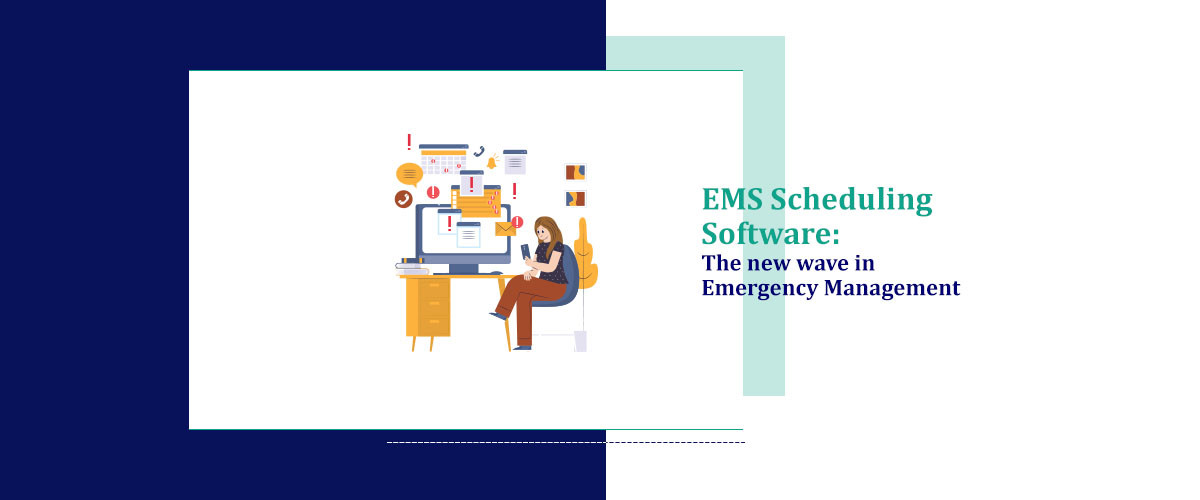
EMS scheduling software is specifically designed to make scheduling emergency scientific teams a lot less complicated and more efficient. This is done by eliminating the complexity that spreadsheets or guide logs impose, thereby imparting computerized, consumer-friendly structures for EMS providers to fulfill their wishes.
The EMS scheduling software can manage shifts, track certifications, and comply with complex work laws. It empowers directors, who will be aware of operational efficiency, and the frontline responders recognize that they have a nicely coordinated crew backing them.
Key Features of EMS Scheduling Software
-
Automated Scheduling
EMS scheduling software can routinely align shifts with the availability and qualifications of employees and their status inside the organization. This guarantees that the proper staff is assigned to each name on each name, lowering human errors due to ultimate-minute scheduling and conflicts.
-
Real-Time Communication
Instant notifications preserve team members' knowledge of shift changes, emergency deployments, or adjustments in scheduling. Mobile applications and net-based systems permit ease of conversation among administrators and staff.
-
Certification and Compliance Tracking
The software tracks certifications so that human beings are certified to do what they may be doing. Alerts that credentials are expiring assist in making sure that a company remains compliant with regulatory requirements, stopping staffing troubles primarily based on the lapse of certification.
-
Shift Bidding and Swaps
Most systems function shift bidding and change requests, placing extra manipulation of the personnel's schedules into their arms. This contributes to multiplied process satisfaction and decreased burnout—which is essential in the demanding EMS work environment.
-
Integration with Payroll and Analytics
Modern EMS scheduling software are commonly integrated with payroll systems to ease salary calculations and monitor additional time. Advanced analytics provide insights into staffing patterns, response instances, and aid allocation, driving informed decision-making.
Benefits of EMS Scheduling Software
EMS scheduling software brings the subsequent benefits to an organization:
- Improved Efficiency: Automated scheduling saves time and reduces errors, ensuring shifts are usually appropriately staffed.
- Increased Employee Satisfaction: With bendy scheduling and transparent processes, employee morale will increase, which results in higher retention charges.
- Reduced Costs: Over extra time, hours were reduced, scheduling mistakes decreased, and premiere allocation of staff also stored cash extensively.
- Swift Response: A well-coordinated team is more tremendously responsive and quicker, enhancing response time and results for patients
Selecting the Right EMS Scheduling Software
EMS scheduling software must be decided on primarily based on the company's unique necessities. There are a few parameters that should be considered as follows:
- Scalability: Can the software program grow with your corporation?
- Ease of Use: Is the interface intuitive for directors and the workforce?
- Support and Training: Does the company provide reasonable support and schooling resources?
- Customizability: Can the system be tailored to meet your precise scheduling requirements?
Conclusion
EMS scheduling software is more than a technological improvement; it's miles a game-changer in emergency response groups. Such software program automates tactics, enable enhanced communication, and ensure compliance—thereby allowing EMS businesses to deliver exceptional viable care. In a profession where each second counts, having the right tools can suggest the difference between life and demise. EMS scheduling software is the spine of modern-day emergency management, ensuring that your crew is prepared to respond when the call is available.
EMS scheduling software automates shift management for emergency medical services. It ensures optimized staff allocation, reduces scheduling conflicts, and helps maintain compliance with labor laws and certifications.
By providing real-time updates and automating shift assignments, EMS scheduling software ensures that the right personnel are always on duty. This minimizes delays and enhances response readiness during emergencies.
Yes, modern EMS scheduling software includes features like automated notifications, drag-and-drop rescheduling, and real-time availability updates, making it easy to address last-minute changes without disrupting operations.
Most EMS scheduling platforms integrate seamlessly with existing dispatch, payroll, and communication systems, ensuring smooth workflows and centralized data management.
By offering features like fair shift rotation, overtime tracking, and preference-based scheduling, EMS scheduling software promotes work-life balance, reducing burnout among emergency responders.