.jpg)
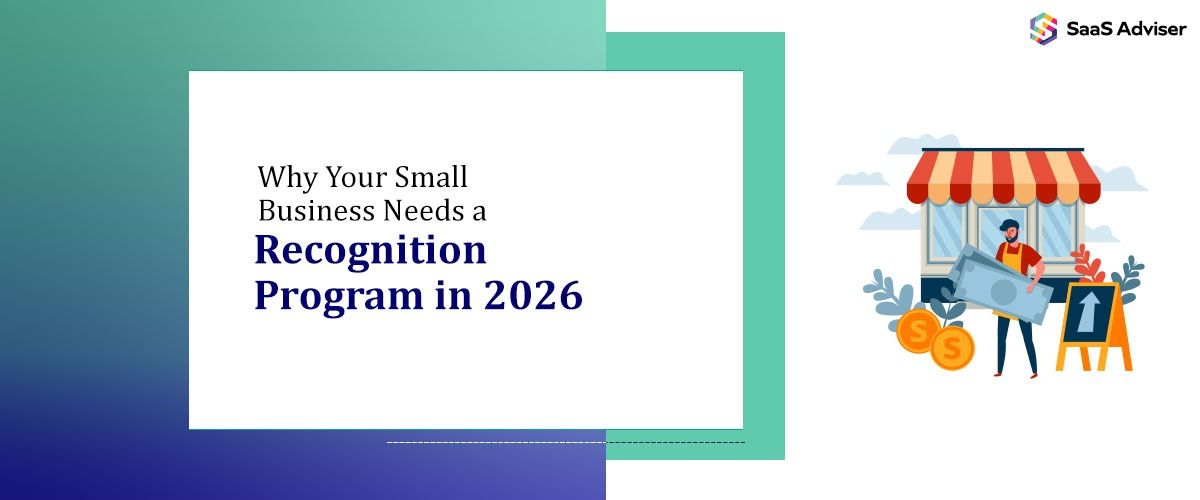
Implementing effective employee recognition programs is no longer just a nice-to-have luxury for large corporations; it has become a survival strategy for smaller teams. In 2026, where the talent market remains tight and remote work is the norm, a robust employee recognition and rewards program acts as the glue that keeps a workforce together. By shifting the focus from simple task completion to valuing the human effort behind the work, you create an environment where people feel genuinely seen.
 Looking for Employee Recognition Software? Check out SaaS Advisor’s List of the Best Employee Recognition Software in USA for Your Business.
 As a small business owner, you might think that a close-knit culture is enough, but research shows that consistent, structured appreciation is what truly drives loyalty. Utilizing an online employee recognition programs ensures that every contribution, whether in the office or across the country, is celebrated in real-time.
What are Employee Recognition Programs?
In brief, an online employee recognition programs is a formalized system that is supposed to recognize and appreciate the efforts and accomplishments of workers in a team. It goes beyond the performance review conducted annually to establish an appreciation cycle. Whereas in the old system, employee recognition relied on an employee of the month award, new employee recognition and reward software can do very fine and very frequent awards.
Such programs can consist of a combination of social praise and physical reward. In the case of small businesses, it tends to be a reward and recognition programs of the employee that is not all monetary shout-outs but incorporates a personalized one. With the adoption of an employee recognition platform, managers would be able to monitor performance and reward employees automatically without missing any good deed.
What is Employee Recognition Programs in the Workplace?
Recognition is the informal or formal appreciation of an action, hardwork, or business outcome of an individual at the right time to help the organization achieve its goals and values. It provides one of the basic human inquiries of all staff members: Does my work really count here? This, in 2026, will result in a reward and recognition platform strategy that becomes a part of the tools the employees already use daily, e.g., Slack or Microsoft Teams.
Effective recognition is:
- On time: Given immediately after the achievement.
- Specific: This is the description of what the individual did very well.
- Frequent: It occurs frequently enough to become a part of the culture.
Why Do Small Businesses Need Employee Recognition Programs?
To a small business, losing one of the key employees may prove to be catastrophic. A report published by an employee recognition company at the beginning of 2026 indicates that turnover is reduced by 31% in those organizations that have high-impact recognition cultures. Since small companies have multi-functional positions, the knowledge lost in the turnover is hard to substitute.
Other than retention, these programs enhance productivity. By implementing an employee recognition software for small business, you enable the so-called social proof that your hard work can bear positive results. This motivates others to emulate the high-performance behavior, and in the process, your best practices can be scaled across the team without being imposed on them by the managers.

Do You Know?
According to 2026 data, companies that double the number of employees they recognize each week see a 24% improvement in work quality and a 27% reduction in absenteeism.
Employee Rewards Programs For Small Businesses
A modern employee rewards platform offers a variety of ways to keep employees engaged without breaking the bank. Here are the pillars of a successful program:
1. Peer-to-Peer Recognition
This allows colleagues to thank one another for help on projects or small wins. It is often 35% more effective at improving performance than manager-only praise because it builds a community of mutual respect.
2. Awards and Badges
Digital badges are a cornerstone of Employee rewards programs for small companies. They act as social currency, allowing employees to display their expertise in areas like Customer Empathy or Technical Innovation on their internal profiles.
3. Milestone Tracker
Celebrating work anniversaries and birthdays is a simple but powerful way to show long-term commitment. An employee reward program for small businesses automatically triggers these celebrations so they are never forgotten.
4. Spot Recognitions
These are small, on-the-spot rewards for going above and beyond. Using an employee recognition platform, a manager can instantly send a digital coffee voucher or a Treat Yourself stipend to an employee who just closed a difficult ticket.
5. Customizable Rewards
In 2026, generic gift cards are out. The best reward programs for small business offer a catalog of choices, ranging from wellness subscriptions and learning stipends to extra time off or charitable donations in the employee's name.
Creating and Implementing a Reward and Recognition Program (2026)
Building an employee recognition plan requires more than just buying a piece of software. It needs a strategic foundation to ensure long-term success.
1. Set up Criteria and Eligibility For the Program.
Clearly define who is eligible and what behaviors are being rewarded. Transparency is crucial to prevent the program from feeling like a popularity contest. Ensure your employee rewards program's company choice allows you to set specific parameters for different departments.
2. Identify Key Business Goals that the Program will Promote
Are you trying to improve customer satisfaction or reduce project turnaround time? Align your employee incentive programs for small companies with these targets. If your goal is innovation, reward the effort of proposing new ideas, not just the outcome.
3. Decide on How Employee Performance will be Measured and Evaluated
Use data-driven metrics from your employee recognition and rewards program. For example, you might track Participation Rate (how many people are giving recognition) to ensure the culture is healthy and inclusive across all teams.
4. Determine Adequate Employee Recognition Rewards
While money is important, business rewards programs often find that autonomy and experience rewards, like a surprise Friday off or a professional development course, have a longer-lasting impact on morale.
5. Communicate the Program Clearly to Your Employees
A program only works if people use it. Launch your employee appreciation software with a Kick-off meeting. Explain the why behind the program and show them how easy it is to send their first shout-out.
Pro-tip
Do not make your recognition program stale. Remodel your rewards catalog every quarter and showcase a Recognition Champion to maintain the momentum and make the platform a significant component of your day-to-day processes.
Strategic Business Impacts (2026)
The global employee recognition software market is projected to reach USD 19.6 billion in 2025 and is anticipated to grow to USD 48 billion by 2035, registering a CAGR of 9.4% during the forecast period. This explosive growth underscores the reality that businesses are prioritizing the human element like never before.
1. Significant ROI and Cost Savings
Investing in employee recognition programs typically yields a return that far outweighs the initial cost. By reducing turnover, small companies save thousands on recruitment, onboarding, and lost productivity. A well-oiled employee recognition and reward software system can pay for itself within the first six months.
2. Competing for Talent
Small businesses often can't compete with corporate giants on salary alone. However, they can compete on culture. A robust employee rewards platform makes your business an attractive destination for top talent who want to feel like a name, not a number.
3. Boosting Productivity and Innovation
Recognition acts as a psychological nudge. When an employee recognition platform highlights a creative solution, it signals to the rest of the team that innovation is valued here. This creates a feedback loop of continuous improvement.
4. Supporting Multi-Generational Teams
In 2026, workplaces often span four generations. While Gen Z might prefer digital badges and public Slack shout-outs, older workers might value a handwritten note or a specialized employee reward programs for small business perk like a health wellness stipend. A flexible platform accommodates all these preferences.
5. Drives Long-Term Business Success
Ultimately, rewards programs for small business are about building a sustainable culture. When employees are engaged and feel valued, they treat customers better, stay longer, and contribute more passionately to the company's mission.
Conclusion
The evidence for 2026 is clear: employee recognition programs for small companies are the most cost-effective way to build a high-performing small business. By moving away from sporadic parts on the back and toward a structured employee recognition and rewards program, you transform your workplace into a hub of motivation and loyalty. Whether you choose a simple employee appreciation software or a comprehensive employee rewards platform, the most important step is to start. Your team is your greatest asset; make sure they know it.
Related Read:
- Employee Recognition Software to Build Stronger Teams!
- How Employee Recognition Software Elevates Employee Engagement in the USA
- Best Employee Recognition Software Vendors for Q3
- 5 Ways an Employee Recognition Software Can Benefit HR In United Kingdom
- A Comprehensive Guide to Employee Recognition Software
- 15 Employee Recognition Software Statistics You Need to Know
They satisfy the fundamental human need for appreciation, which directly increases dopamine levels and reinforces positive workplace behaviors.
The main goal is to reduce turnover by creating a supportive environment where employees feel valued and see a clear path for growth.
The primary goal is to automate and scale the process of appreciation, ensuring that feedback is timely, visible, and tied to tangible rewards.
Current trends include AI-powered manager nudges, hyper-personalized rewards through Lifestyle Spending Accounts (LSAs), and a shift toward holistic well-being incentives.
No, many employee recognition software for small business options offer tiered pricing, and the cost is often offset by the savings gained from reduced employee turnover.