.jpg)
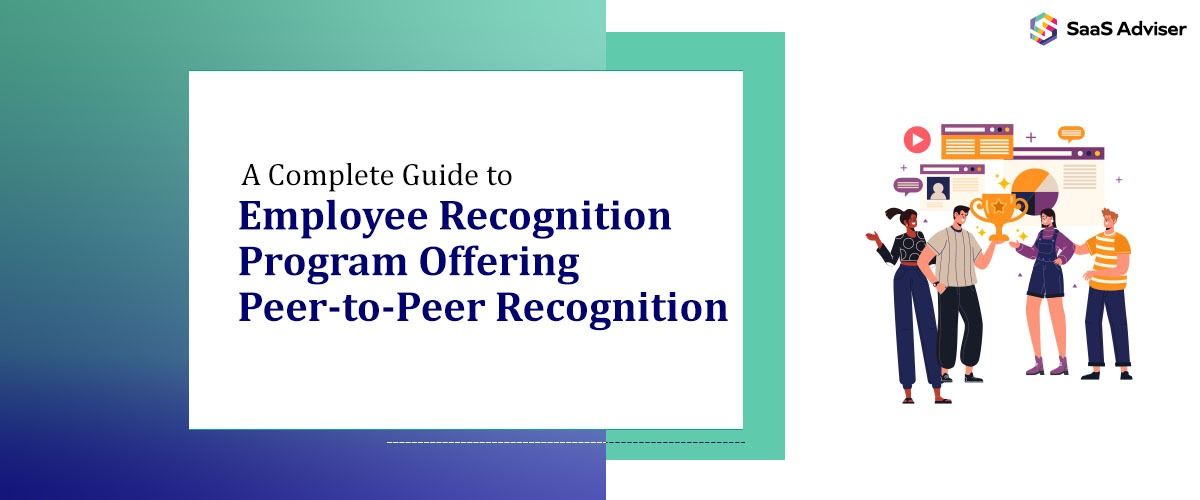
Building a thriving workplace starts with acknowledging the hard work your team puts in every day. An employee recognition program acts as the foundation for this culture by ensuring that no achievement goes unnoticed. While traditional top-down rewards have their place, modern organizations are shifting toward more inclusive models. By integrating a corporate recognition program, you empower every person in the building to celebrate their colleagues' successes.
 Looking for Employee Recognition Software? Check out SaaS Advisor’s List of the Best Employee Recognition Software in USA for Your Business.
 Implementing a robust employee recognition program is one of the most effective employee recognition strategies for 2026. When people feel seen by their peers, their sense of belonging and purpose within the company strengthens significantly. You aren't just giving out thank you notes; you are building a system that reinforces core values and drives performance.
What are Employee Recognition Programs?
An employee recognition program is an organized program in which an organization rewards and recognizes the exceptional performance of its employees. These corporate recognition programs may be in numerous forms, which may include mere verbal compliments to official employee rewards and awards. The result is to strengthen behavior that is in line with the mission of the company and put the employees in a position of feeling appreciated.
Good recognition systems within organizations normally encompass non-financial and financial forms of rewards. It could be a thank you during a team building session or a computerized medal on a program, but these employee reward programs give the human form of appreciation the validation that is sought. Upon examination of an example of employee recognition programs, you will see that they are uniform, equitable, and well spelt out.

Do You Know?
The voluntary turnover of companies with high-recognition cultures is 31% lower than that of a company with poor recognition practices.
What is Peer-to-Peer Recognition?
Peer-to-peer recognition is a decentralized form of appreciation where employees at any level can recognize their coworkers. Unlike a traditional employee reward program, where a manager chooses the winner, a peer recognition program allows colleagues to nominate each other. This is vital because coworkers often see the small, daily acts of brilliance that a busy manager might overlook.
By using employee peer recognition programs, you democratize the process of gratitude. It removes the hierarchy from appreciation and ensures that the quiet contributors get their moment in the spotlight. In a modern staff appreciation program, peer recognition is often the most used and most appreciated feature.
Why Peer-to-Peer Recognition Matters in Modern Workplaces 2026
As we move through 2026, the way we work continues to change. Remote and hybrid models mean that visibility is different from what it used to be. Here is why peer recognition program frameworks are essential now:
1. Encourages a Culture of Appreciation
When you make recognition a shared responsibility, it becomes a habit. Instead of waiting for an annual review, employees look for opportunities to praise one another daily. This shift changes the entire office mood from just doing a job to supporting a team.
2. Boosts Employee Engagement
Active participation in recognition programs at work is a leading indicator of engagement. Employees who feel they can influence the culture through a peer recognition program are more likely to stay committed to their roles.
3. Strengthens Team Collaboration
Recognition acts as a social glue. When a developer thanks a designer for their quick turnaround, it builds a bridge between departments. These staff recognition programs break down silos and encourage cross-functional support.
4. Reduces Managerial Bias
Relying solely on one person to decide who gets an award can lead to favoritism. An employee recognition program that includes peer input provides a more balanced data set, ensuring that employee of the month qualifications are based on collective impact rather than a single opinion.
5. Improves Retention and Morale
People don't leave companies; they leave cultures where they feel invisible. A staff reward and recognition strategy that highlights peer wins keeps morale high even during challenging project cycles.
Key Features of Employee Recognition Programs with Peer-to-Peer Recognition
If you are looking for the best employee recognition programs, you should ensure they include these specific technical and social features:
- Easy-to-Use Recognition Tools: The platform must be accessible via mobile and desktop so that a shout-out takes seconds, not minutes.
- Public Recognition Feeds: A live feed where the whole company can see and like recognition moments creates a positive social media-like experience.
- Value-Based Recognition: Every nomination should be tied to a company's core value, such as Customer First or Innovation.
- Rewards and Incentives: A good employee rewards program allows users to redeem points for tangible items, gift cards, or even extra time off.
- Analytics and Reporting: Leadership needs to see who is giving and receiving recognition to identify top talent and potential disengagement.
- Integration with HR Systems: The employee recognition solutions should sync with your existing tools like Slack, Microsoft Teams, or Workday.
Benefits of Employee Recognition Programs Offering Peer-to-Peer Recognition
Implementing an employee recognition program that prioritises peer-to-peer interactions transforms a traditional workplace into a collaborative community where every contribution is visible and valued.
-
For Employees
For the individual, employee appreciation programs provide immediate validation. It reduces the stress of wondering Am I doing a good job? and replaces it with tangible proof of their value. Furthermore, a peer recognition program helps employees build better professional relationships with their colleagues.
-
For Organizations
From a business perspective, the best employee rewards and recognition programs drive productivity. When you have a clear employee recognition guideline, you see a direct correlation with customer satisfaction scores. Happy employees provide better service.
How Peer-to-Peer Recognition Programs Work
A successful peer recognition program operates as a continuous cycle, reinforcing positive behaviour in real-time. Most best employee recognition programs utilize this efficient four-step loop:
- Observe: It starts when an employee witnesses a colleague going above and beyond. Because peers work side-by-side, they often spot micro-wins that managers might miss, such as a teammate offering extra help during a tight deadline.
- Recognize: The employee logs into the employee recognition program to send a digital shout-out. They typically tie the praise to a specific company value and may include points as part of the employee recognition and awards process.
- Amplify: Once sent, the praise appears on a public social feed. This visibility is a hallmark of top corporate recognition programs, allowing the entire team to like or comment, which significantly boosts the recipient's morale.
- Reward: Accumulated points are stored in a digital wallet. The recipient can then visit the employee reward program marketplace to redeem them for gift cards, merchandise, or unique company perks, turning social praise into tangible value.
Best Practices for Implementing Peer-to-Peer Recognition Programs
Knowing how to create an employee recognition program is different from making it a success. To ensure your staff reward and recognition strategy actually sticks, follow these streamlined best practices:
1. Make Recognition Simple and Frequent
If the process is cumbersome, people will avoid it. Use employee recognition solutions that integrate into existing workflows like Slack or Teams. When appreciation is just a click away, it becomes a daily habit rather than a monthly chore.
2. Educate Employees
Provide a clear employee recognition guideline so everyone knows what high-quality praise looks like. Clearly defining employee of the month qualifications also ensures the process remains transparent and fair for all departments.
3. Lead by Example
If executives ignore the staff appreciation program, the team will too. Leadership must actively use the peer recognition program to signal that gratitude is a core priority, not just an HR initiative.
4. Align Recognition with Values
Rewarding hard work is not enough. Your employee recognition and awards should be used to acknowledge particular behaviours, such as Innovation or Integrity, that make up your own corporate culture.
5. Measure and Optimize
Review analytics from your employee appreciation program to identify which teams are most engaged. Use these insights to refresh your employee rewards and recognition ideas and support departments where participation is low.
Common Challenges and How to Overcome Them
Even the best employee recognition programs face hurdles. To keep your peer recognition program thriving, address these obstacles directly:
- Low Participation: If the system feels stagnant, gamify the experience with monthly challenges or fresh employee rewards and recognition ideas. A small niche or a themed staff appreciation program month can quickly reignite interest.
- Recognition Fatigue: If every post is just a great job, the praise loses value. Encourage specific examples of employee recognition programs feedback by requiring employees to link their shout-outs to specific projects or company values.
- Uneven Distribution: If only the most visible employees get noticed, use your employee recognition solutions to find quiet overachievers. HR can then highlight different departments to ensure your corporate recognition programs remain inclusive.
The Future of Peer-to-Peer Recognition Programs
Looking ahead, company recognition programs are poised to become more intelligent and integrated into our daily digital interactions. We expect to see platforms utilise AI to suggest when a colleague deserves a shout-out by analyzing project milestones and contribution data. Furthermore, the modern shift in employee recognition and awards focuses increasingly on holistic well-being, rewarding staff for maintaining mental health and work-life balance rather than purely measuring high-volume output.
The scale of this shift is reflected in the massive investment companies are making into these digital tools. The global employee recognition software market is projected to reach USD 19.6 billion in 2025. It is anticipated to grow to USD 48 billion by 2035, registering a CAGR of 9.4% during the forecast period. This rapid growth proves that employee recognition solutions are no longer just a perk but a fundamental business strategy for the next decade.
What are Some Examples of Successful Employee Recognition Programs?
As the real-life case studies indicate, an employee recognition program executed properly can change the organizational culture. The following are how two industry leaders used corporate recognition programs to deliver an impressive outcome:
1. CIBC: Creating Employee Rrecognition Moments that Matter
The bank has adopted a centralised employee recognition system that has enabled its workforce in different parts of the world to celebrate milestones in real time. Their internal engagement scores went up substantially by emphasizing moments that matter.
2. BlueScope: A Successful Year to All
Corporate recognition was also used by BlueScope as they shifted their top-down model to safety and peer-to-peer-led thank yous. This resulted in an improved and secure working environment as well as a world culture.
Pro-tip
Don't wait for big wins. Consider celebrating micro-wins with your employee appreciation program; the small daily things that are happening and which keep the business moving.
Conclusion
An employee recognition program is no longer a nice-to-have perk; it is a strategic necessity. By investing in employee reward program software and fostering a peer recognition program, you create a workplace where people feel seen, heard, and valued. Whether you are looking for employee rewards and recognition ideas or trying to overhaul your staff reward and recognition policy, the key is to stay authentic and consistent. Start small, listen to your team, and watch how a little appreciation transforms your entire organization.
Use QR codes on posters or physical kudos cards that can be scanned into the digital employee recognition program.
Yes, employee peer recognition programs are highly effective in small teams because they strengthen the already tight-knit bonds between coworkers.
Encourage employees to use the peer recognition program at least once a week to maintain a consistent habit of appreciation.
Many do, often using a point-based employee rewards program where points can be redeemed for gift cards or company swag.
The five pillars are: frequent, timely, specific, visible, and values-based.