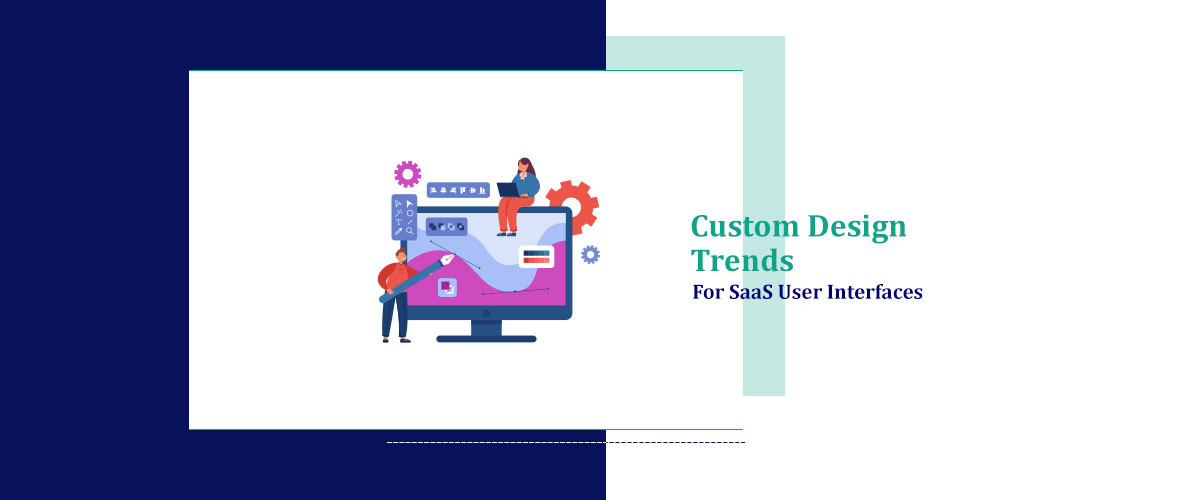
Personalization is a key player in creating memorable experiences that users crave, and the SaaS market is being influenced by this trend as much as any other area. Because the need for adaptable and intuitive designs is being fuelled by external demand, developers can’t rest on their laurels any longer. Here’s a look at how these changes can shape user satisfaction and which innovative strategies can be implemented right now.
Dynamic User Profiles
Dynamic user profiles let users shape their experience in a totally bespoke way. They can adjust settings and features to fit their preferences, which creates an intuitive environment. SaaS platforms store these adjustments in real-time, remembering how you want things set up each time you log in. For developers, it means integrating profile options that can scale as needs change.
Streaming services are particularly good at this, and big hitters like YouTube and Spotify are the kings of turning personal data into a tool for satisfaction. As such you need to make your own UI choices with this in mind.
AI-Powered Customization Tools
AI is another breakthrough tech that’s turning the page on SaaS design with customization tools that anticipate user needs. Put simply, predictive algorithms analyze user behavior and adapt interfaces automatically. These smart systems enable tailored experiences by learning from interactions. Having an AI dashboard that reconfigures itself based on what you need most, without requiring manual tweaks, is part of what’s possible today.
Even an online photo calendar designer like Mixbook offers impressive AI-enhanced customizations, including an automated caption generator that takes the hassle out of the creative process. Ironing out speed bumps in this way is sure to impress end users, and help with loyalty and retention as a result.
Adaptive Layouts and Navigation
Responsive design has evolved into adaptive layouts that shift according to user context. This trend ensures content looks great on any device without losing functionality. Your interface should intuitively change based on how someone interacts with it. Think of Netflix's homepage, which is capable of adapting its layout depending on the viewer's watch history and preferences.
Crafting seamless navigation paths encourages users to explore more deeply, boosting engagement rates. UI UX design companies as well as full-service teams providing graphic design services focus on responsive grids that reshape elements dynamically, ensuring an efficient journey regardless of screen size or orientation. This adaptability reflects user-centric thinking in action and is essential for contemporary SaaS applications.
Inclusive Design Practices
Inclusivity in design means creating interfaces that accommodate all users, regardless of ability. This involves designing with accessibility at the forefront. Consider Apple's VoiceOver and its capacity to enhance usability for visually impaired users as a benchmark. SaaS platforms should integrate similar features like keyboard navigation or color contrast options.
Adopting inclusive practices means you can meet diverse needs and also broaden your user base. Leveraging tools such as WCAG guidelines can help refine accessibility standards.
Wrapping Up
Bringing dynamism, adaptability and a personal touch to user interfaces in a SaaS context is an imperative step, and one that’s easier to take thanks to the likes of AI and automation. As such there’s no excuse for remaining behind the curve here. And if you’re just an end-user, you should be on the lookout for cloud software tools that offer custom capabilities.
Minimalism, dark mode, and micro-interactions are popular. Personalization and accessibility are also key trends.
Yes, responsive design ensures SaaS apps work smoothly across all devices, from desktops to mobile phones.
Subtle animations, like micro-interactions, enhance usability by providing feedback and making actions feel smoother.
Personalization improves user engagement by tailoring the interface and features to individual preferences and behavior.
Accessibility makes SaaS platforms usable for everyone, including people with disabilities, by improving navigation and readability.