If you work in SaaS, you already know the feeling. The Slack notifications never stop, meetings pile on each other, and before you’ve had your second coffee you’re staring at four tabs of Google Docs, a Jira board, and a Notion page that looks more like an encyclopedia than a project plan. Productivity isn’t about working harder—it’s about surviving the flood of information without losing your focus.
That’s where AI summarization tools step in. Not as gimmicks, not as shortcuts, but as lifelines. They give you the signal without the static, the essence without the clutter. And honestly, isn’t that what we’re all desperate for?
Some teams are already leaning on platforms to turn hour-long lectures or meetings into tidy summaries they can actually use. It’s not about skipping the work—it’s about finally getting back your headspace.
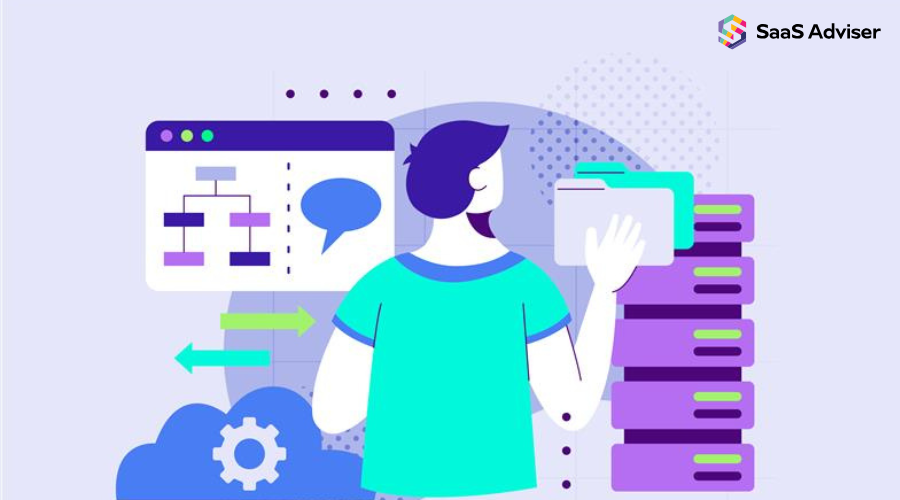
SaaS Workflows: Why They’re a Different Beast
A SaaS company doesn’t run like a law firm or a factory. Work here is fast, fluid, and fragmented. You’ve got engineers sprinting in two-week cycles, marketers running campaigns that change weekly, and customer support teams juggling tickets across time zones.
The workflow is messy by design. Distributed documentation lives everywhere: Slack threads that go on for 300 messages, Jira tickets with cryptic comments, endless product requirement docs written in five different voices. Even if you’re organized, the information sprawls like ivy—you trim one corner and three more grow overnight.
And here’s the kicker: every decision in SaaS depends on context. Did the customer success manager already flag that issue? Did the product lead change the spec last week? Did marketing adjust the launch date after the sales call? If you miss one thread, you’re behind.
That’s why summarization isn’t just “nice to have.” It’s survival.
What AI Summarization Really Means
Let me explain. When people hear “summarization,” they think “shorter text.” But in reality, good AI summarization isn’t about chopping—it’s about distilling.
Think of two types:
-
Extractive summarization: the AI pulls the most important sentences directly, like clipping highlights.
-
Abstractive summarization: the AI rewrites the content in its own words, creating a new, condensed version that still preserves the meaning.
Here’s a simple analogy. Imagine you ask a friend what happened in the three-hour movie they just watched. If they quote dialogue back to you word for word, that’s extractive. If they shrug and say, “Eh, it’s basically a love story wrapped inside a time-travel thriller,” that’s abstractive.
For SaaS workflows, you need both. Sometimes you want the exact quote from a customer call (extractive). Other times, you just want the gist without the rambling details (abstractive).
And there’s a cultural nuance here too. In some workplaces, people expect long reports to look “serious.” But the most effective SaaS leaders are starting to realize that brevity signals clarity, not laziness. Summarization isn’t dumbing down—it’s smartening up.
Everyday Use Cases That Hit Home
So, where does this really matter? Let’s ground it in real life.
-
Meeting Summaries
Picture a one-hour Zoom call with eight people. Everyone promises to “send notes later,” but no one does. By the next week, half the team has already forgotten the decisions made. With AI summarization, you don’t just get a transcript—you get bullet points of decisions, action items, and questions left unresolved. -
Customer Support Logs
SaaS support teams deal with massive ticket volumes. Summarization tools can condense chat logs or support histories into a single “storyline,” making it easier to spot recurring pain points without reading every word. -
Product Requirement Docs
Ever opened a PRD (product requirements document) and thought: “This could’ve been half as long”? Summarizers cut through the fluff, pulling out the must-haves and the nice-to-haves. -
Knowledge Sharing
A big problem in SaaS: information doesn’t flow evenly. One team learns something crucial, but it doesn’t trickle across the company. Summaries of internal presentations or training sessions make sharing knowledge frictionless. -
Board and Investor Updates
Leadership teams often prepare pages of reports for investors who really just want the top three wins and the two areas of concern. Summarization tools can strip away the vanity metrics and deliver the pulse.
Why Productivity Gains Go Beyond Saving Time
We often talk about AI tools like they’re time machines. “Save 10 hours a week!” Sure, but the real win isn’t just minutes saved. It’s mental energy.
Psychologists call it cognitive load—the strain your brain feels juggling too much at once. Decision fatigue is real. By reducing the raw volume of information people have to wade through, summarization frees mental space for creative thinking.
It’s the difference between an engineer rereading 30 pages of meeting notes versus glancing at a half-page summary before getting back to code. It’s not just faster; it’s healthier.
And here’s another angle: emotional relief. People rarely talk about it, but constant digital noise is stressful. There’s a subtle anxiety that comes from knowing you’ve missed messages or haven’t read the full report. Summarization tools reduce that guilt. You don’t need to be everywhere at once—you just need the distilled essence.
A Look at Popular AI Summarization Tools
Let’s talk tools—but not in the boring “top 10 list” way. Instead, here’s how they slot into the SaaS ecosystem:
-
Otter.ai – Great for meetings, especially if you live in Zoom. Auto-summaries are its bread and butter.
-
Fireflies.ai – Similar space, but leans more on integrations with CRMs and project boards.
-
Notion AI – Not just a summarizer but an all-in-one assistant for people already living in Notion.
-
Notta – Loved for its clarity in turning long lectures or meetings into readable takeaways. Great for teams balancing learning and execution.
-
Jasper – Known more for marketing content but has decent summarization features when working with campaign material.
What’s interesting is how teams “personify” these tools. Some joke that Otter feels like an attentive intern, while Fireflies is more of a project manager quietly filling in meeting notes. This playful anthropomorphism isn’t silly—it’s how humans build trust in tools. And trust is what makes adoption stick.
Integrating Summarization into Daily SaaS Life
Here’s the secret: a summarization tool only helps if it lives where you already work. If your team lives in Slack, then the summaries should post automatically into Slack channels. If your sales team breathes inside HubSpot, the summaries should appear in deal records.
That’s why integrations matter. AI summarizers aren’t “extra apps”—they’re more like background assistants slipping insights into the places you already spend your day.
One natural pitfall: over-collecting. Some companies adopt summarization tools and suddenly flood everyone with summaries no one reads. The irony of drowning in condensed info is real. The trick is restraint—decide what truly needs summarizing and where those summaries belong.
Think of it like coffee. A small cup sharpens your focus. Five espressos leave you jittery. The same principle applies to summaries—just enough gives clarity; too much creates chaos.
The Trust Problem: Can We Rely on Summaries?
Let’s be real. No AI tool is flawless. Summaries risk missing nuance. A tiny phrasing difference in a customer complaint can mean the difference between “minor bug” and “critical churn risk.”
So SaaS leaders often wrestle with trust. Do we rely on the summary, or do we double-check the source? The balance lies in using summaries as a compass, not a contract. They point the direction, but humans still decide when detail matters.
It’s like weather forecasts—you don’t cancel a flight over a 20% chance of rain, but you also don’t ignore a hurricane warning.
This is where company culture matters. Some teams already work in shorthand, so summaries feel natural. Others have cultures that prize exhaustive documentation. For them, AI summarization isn’t just a technical shift—it’s a cultural one.
The Future: Where Summarization Is Heading
Here’s the fun part: we’re just scratching the surface. The future isn’t static summaries—it’s real-time, predictive ones.
-
Real-time summaries: Imagine getting a live meeting recap as the meeting happens. No waiting for transcripts. Action items appear instantly.
-
Predictive summaries: AI that doesn’t just tell you what happened, but what matters to you. Example: a PM gets a different summary than a developer, tailored to their priorities.
-
Voice-first workflows: With voice interfaces growing, imagine saying, “Summarize the last week of support tickets about login issues” and getting an instant digest.
Seasonal context matters, too. Q4 is notorious for SaaS overload—product launches, holiday campaigns, customer renewals. Summarization could be the safety net that keeps teams sane during crunch seasons.
And beyond SaaS, there’s a societal shift happening. Journalists are experimenting with AI summaries of long reports. Universities are using them to make research digestible. Even governments are cautiously testing them for policy briefs. SaaS is just the tip of the iceberg.
Practical Tips for Teams Getting Started
If your SaaS org is curious but cautious, here are a few starting points:
-
Begin with meetings. They’re the lowest-hanging fruit, and the return is immediate.
-
Pilot with one team. Don’t roll it out company-wide overnight. Let one group experiment.
-
Train for critical reading. Remind your team: summaries are guides, not gospel.
-
Blend AI with human review. Some tools allow human QA of summaries—worth doing for high-stakes content.
-
Celebrate small wins. Show your team the hours saved or the clearer decisions made. Adoption grows when people see tangible relief.
The Human Side: Why This Matters More Than Tech
At the end of the day, SaaS teams aren’t made of dashboards and workflows. They’re made of people—people with limited attention, overflowing inboxes, and an unending stream of meetings.
AI summarization tools matter because they give people back time, but more importantly, they give back mental breathing room. The average SaaS professional doesn’t wake up excited to scroll through 40 Jira comments. They wake up wanting to solve problems, build products, delight customers.
Summarization clears the noise so the real work shines through.
Closing Thoughts: Clarity Over Noise
Productivity in SaaS isn’t about squeezing more hours from the day. It’s about clarity. Every notification, every doc, every meeting—each one chips away at attention. AI summarization doesn’t replace people. It gives them back what they’ve lost: focus.
We don’t need more information. We need the right information, in a form we can actually use. That’s why summarization isn’t a trend—it’s a shift in how SaaS teams can finally breathe amidst the chaos.
An AI summarization tool condenses long-form content—like meeting transcripts, support logs, or product updates—into concise takeaways so SaaS teams can act faster.
Product managers, customer success teams, sales reps, and engineers all benefit since they handle constant streams of communication and documentation.
They’re best for guidance, not gospel. Many SaaS teams use summaries as a starting point, then validate details when precision is essential.
Many connect directly with Slack, Zoom, CRMs, or project management tools, automatically generating updates without extra manual work.