
What we'll cover
Share with your community!


Get Free Consultation

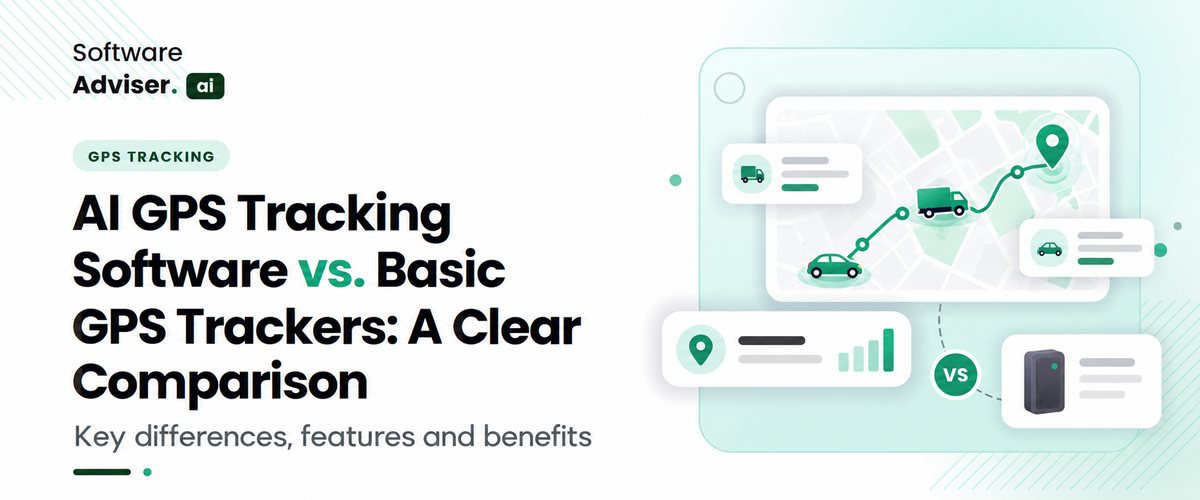
AI GPS Tracking Software vs. Basic GPS Trackers: A Clear Comparison
 Dokas mile
Most traditional GPS trackers provide location information simply showing a vehicle’s position. In contrast, modern GPS tracking programs equipped with AI algorithms are capable of creating a rich data stream in real time to be used for operational management purposes. Traditional tracking systems depend on static locations, simple geofences, and previous movement history of the tracked object. However, modern software based on ML, computer vision, and predictive analytics algorithms allows for identifying dangerous driving styles, foreseeing maintenance issues, enhancing route optimization, and automatically preventing fuel theft. So, old-fashioned equipment simply provides information about the location, while the AI-backed systems provide insights into how the machine is being used.
What is AI GPS Tracking Software?
AI GPS tracking software is an innovative fleet management solution that brings together satellite positioning technology with artificial intelligence AI machine learning (ML), as well as video telematics. Unlike traditional GPS systems that only show dots on the displayed maps, current software can intercept information from real-time traffic data obtained from different sources, including vehicle sensors and cameras. Today, the software is used by commercial companies operating in America, including logistics as well as field service businesses, in order to improve operations management. By continuously processing information, the system is able to detect aggressive driving behavior, determine the best routes on the basis of traffic jams, monitor petrol consumption, and evaluate possible breakages of software installations.
The key feature of the AI-based solutions is a proactive approach to safety and an automated decision-making process. An advanced driver-facing AI camera-based technology is capable of determining risk factors that can lead to accidents, such as fatigue, distracted attention caused by mobile phones, tailgating, etc. The AI GPS automatically performs video tagging and driver scoring, which gives companies the opportunity to train drivers based on the correct data obtained from video information only.
Did You Know?
According to reports from commercial fleets that rely on advanced video telematics and GPS systems, the introduction of AI technology has helped reduce road incidents by 60% and decrease the time for settling false accident claims by 75%. The technology helps capture essential footage of accidents and save it for later use. It gives evidence and helps prove the innocence of drivers, thus ensuring that the trucking companies avoid paying millions of dollars in legal costs.
Why does GPS Tracking matter for US Businesses Today?
Today, GPS tracking is not an option for businesses in the United States but an imperative that helps them stay afloat in a highly competitive environment. Running a fleet or field services business imposes high cost requirements on a company due to changes in fuel prices, vehicle maintenance expenses, and commercial auto insurance tariffs. However, the new technology can significantly ease cost control over costs by offering full information about trips, idle times, speed, and vehicle state.
In addition to cost management, the most recent technologies in the field of tracking are influencing the client’s experience, which is becoming a major differentiator for local businesses. Today’s consumers and business clients want the same level of transparency as Amazon gives. AI GPS tracking software allows the operations team to find the nearest available driver, reroute to avoid traffic jams, and send a link for live tracking and accurate ETAs, which lessens the chances of missing service calls and makes it easier to solve delivery disputes.
Knowing that modern technology is providing protection against liability claims, theft, and violations of laws, we can mention that US fleets must comply with strict regulations enforced by the Department of Transportation. Automated GPS systems help to comply with the laws easily. Technology helps solve problems created by false claims and staged accidents. It increases security and safety and allows American companies to grow and develop.
How do AI Trackers differ from basic GPS Trackers?
The fundamental distinction between AI trackers and standard GPS devices is related to passive location reporting vs. active operation automation. Standard GPS trackers act like computers; they store locations, indicate points on a map, and keep records of previous trips. By contrast, AI GPS tracking solutions serve as automatic co-pilots because they continuously investigate information patterns, analyze video feeds, and monitor vehicle sensors to troubleshoot problems and improve operations.
|
Feature |
Basic GPS Trackers |
AI GPS Tracking Software |
|
Primary Function |
Passive location monitoring & breadcrumb trails |
Predictive analytics, automated safety, & operational control |
|
Driver Safety |
Detects basic hard braking or speeding events after they occur |
Uses AI cameras to detect fatigue, cell phone use, and tailgating with in-cab voice coaching |
|
Route Optimization |
Static GPS mapping and basic distance calculation |
Dynamic rerouting using real-time traffic, weather, and delivery window predictions |
|
Vehicle Maintenance |
Scheduled based on fixed mileage intervals |
Predictive diagnostics using engine data to flag failures before they happen |
|
Accident Protection |
Shows location during a crash |
Provides instant video footage, automated driver scoring, and fast claim exoneration |
|
Operational Impact |
Lowers manual calls to drivers for status updates |
Reduces accidents, cuts fuel waste, lowers insurance rates, and prevents downtime |
What Features make AI Tracking Smarter?
1. Computer Vision & In-Cab Video Telematics
The system uses camera technology to analyze video streams. When it detects distracted driving, close following, phone use, or driver tiredness, it sends an alert in real time inside the vehicle.
2. Predictive Vehicle Maintenance
The system doesn’t follow the standard method of deadlines based on miles traveled but uses real-time engine performance analyses to calculate when the part will fail.
3. Dynamic & Predictive Route Optimization
The system is constantly recalculating the shipping routes, based on real-time information about the locations and analytics of traffic, weather, and shipping orders.
4. Automated Driver Behavior & Risk Scoring
By processing thousands of telematics data points, the system generates individual safety scores. The fleet managers get relevant information about the risky driving activities of AI trucking payroll drivers without having to watch many hours of footage.
5. AI Fuel Anomaly and Theft Detection System
The application helps in monitoring the causes of engine performance loss, idling, and reductions in fuel amount. The program compares geolocation coordinates with the data about fuel cards and notifies the management about fuel siphoning or theft.
6. Automated Incident and Exoneration Processes
In case of a sudden accident or a near-accident situation, the program records a video fragment of the event, applies the right labels, and uploads the footage to the cloud. It helps companies to prove their innocence and avoid compromising claims from insurance companies.
7. Smart Geofencing and Cargo Tracking
This application is able to create virtual boundaries around worksites and customers. It works by collecting location data and making use of the sensors and devices that monitor the cargo conditions.
Which Option Works Best for your Fleet?
Basic GPS Tracking Systems are Most Useful in:
-
You operate a small fleet of vehicles: Perfect for small operations (such as plumbing, electrical work, and landscaping), which operate with under 10 vehicles and require simple GPS capabilities.
- Your financial situation is very tight: Ideal for you if you’re on a low budget and don’t want to deal with complicated mobile applications.
- You don’t need sophisticated functions: A good choice when you want to have basic functionality such as checking whether the drivers are on-site, giving rough customer ETAs, or tracking unmoving equipment.
AI GPS Remote Monitoring Technology Works Best When:
-
You deal with large-sized transportation systems: Important for long-distance transportation and local partnerships or working with larger field-service fleets.
- You aim to minimize the insurance costs: Necessary when your vehicles are strictly governed by insurance, and you need real-time tracking technology that can prevent accidents and identify scams.
- Fuel and maintenance play a large role in your costs: Most suitable if you need modern technology to help monitor fuel consumption and avoid breakdowns of the vehicles.
- You are under strict regulations: Must-have in case your transport system is regulated by the ELD Hours of Service (HOS) and DOT compliance requirements efficiently.
Is AI GPS Tracking worth the Extra Cost?
In fact, AI GPS tracking is likely to be worth paying for by many businesses in the field, especially those with high insurance risks, substantial fuel costs, or a high turnover of drivers. Although AI fleet tracking solutions usually require higher upfront investment, as they involve the cost of specialized AI dash cameras and pricier software subscription fees, they improve fleet management efficiency.
-
Significant Decreases in Insurance and Nuclear Verdicts
The cost of commercial automobile insurance is escalating in the United States. The advanced AI video technology, on the other hand, captures crystal-clear video footage before, during, and after important events. This means that companies can avoid navigating the costly legal process of settling out of court and expensive nuclear verdicts for victims of false accidents because they can demonstrate their drivers’ innocence.
-
Accident Prevention Made Easy
Conventional GPS trackers indicate incidents of aggressive driving after they have occurred. On the other hand, AI technology detects the early signs of an accident, such as talking on the phone and fatigue. As a result, the drivers receive direct audio signals warning them of their danger. Companies that implement AI dashboards report reduced accident rates of up to 80% within their first year of usage.
-
Fuel Usage and Cost Savings
AI technologies can accomplish much more than just mileage calculations; they analyze the diagnostics of vehicles. By recognizing situations like engine idling, siphoning of gas, and aggressive driving techniques, they reduce fuel wastage by 10% to 25%, predictive maintenance technologies can warn about malfunctioning components before they lead to car accidents and high costs of repairs.
-
Automated Coaching and Time Savings
Automated safety coaching allows safety managers to spend less time reviewing hours of video of routine driving with the help of AI-based algorithms that only highlight high-risk events, generate safety scores, and provide automated coaching modules. Thus, it almost completely reduces administrative tasks, allowing dispatchers and safety directors to save hours of work every week.
-
Quick ROI
Even though basic trackers are less expensive, they do not have a significant overall impact on finances. Upgrading to an AI GPS fleet system allows fleets to return the total amount spent on hardware and software within 3 to 9 months purely by saving on insurance payouts and repairs.

Pro-tip
To see the maximum effect of your investment, run a test phase of 30 days for your most dangerous routes to measure the impact on aggressive driving and fuel consumption. It is also essential to communicate to your drivers the benefits of the new system by promoting AI dashcams as a way for them to protect their interests against false claims, instead of a surveillance tool. Use the software's automated safety scorecards as a basis for implementing an incentive system based on performance indicators.
Conclusion
Decision-making between conventional GPS solutions and modern AI tracking systems becomes easier if operational objectives are defined. Conventional GPS equipment gives reliable and low-cost location tracking for smaller-scale operations. On the other hand, AI solutions bring down risks, provide automated coaching, and eliminate ineffective processes in commercial fleets. Assessment of features, pricing policies, and hardware integrations is crucial for successful implementation. To make the right choice, consult softwareadviser.ai to browse the most suitable solutions for your business requirements.
Suggested Read:
FAQ's
Basic GPS trackers passively record static vehicle locations, whereas AI tracking software proactively analyzes real-time video, engine telemetry, and driver behavior to automate fleet safety and efficiency.
It uses smart in-cab dash cams with computer vision to detect early collision risks—like driver fatigue, tailgating, and mobile phone usage—and delivers instant voice alerts to prevent crashes.
Yes, fleets using AI tracking cut crash rates by up to 80% and capture HD video proof that quickly exonerates drivers from false insurance claims, drastically lowering premiums.
No, modern AI tracking hardware offers plug-and-play installation, while the software automatically filters raw data into actionable safety scores and alerts so managers do not have to review hours of footage manually.
Most commercial fleets recoup their complete hardware and subscription costs within 3 to 9 months through substantial savings in fuel usage, vehicle maintenance, and avoided accident payouts.
We are experiencing a significant change in how we manage our data. For example, it has been noted that by 2026, the amount of data companies have now [...]

David N. Wilks

The fast-paced nature of today’s sales environment means that businesses will need to replace traditional methods, such as spreadsheets, with more m [...]
David N. Wilks

Every ring of an office phone is a choice. An incoming call may be a very qualified sales lead for a small company owner, a current customer needing a [...]